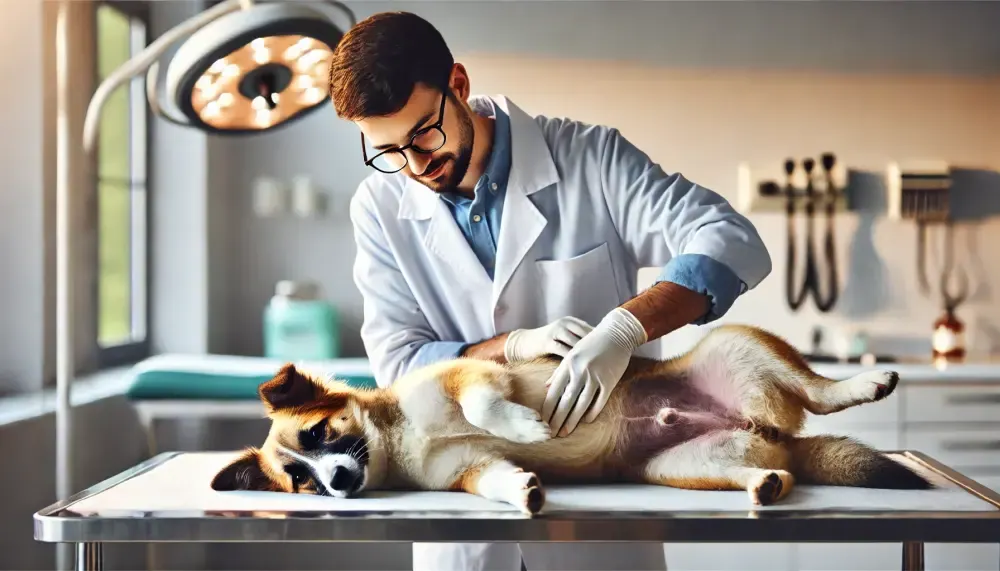
Sick Dog Symptoms

This is general information, not a diagnosis. The Merck Veterinary Manual dog-owner pages are a reliable place to read more before you talk with your veterinarian.
As dog owners, it’s our responsibility to ensure our pets remain healthy and happy. Dogs can’t verbalize when they’re feeling unwell, so it’s essential to be vigilant about any changes in their behavior, appearance, and routine. Recognizing the signs of illness early can make a significant difference in the outcome of your dog’s health. In this article, we’ll explore the most common symptoms that indicate your dog might be sick and when it’s crucial to seek veterinary care.
10 Signs Your Dog Might Be Sick
1. Changes in Appetite or Thirst
One of the first signs that something may be wrong with your dog is a change in their eating or drinking habits. A sudden loss of appetite could indicate anything from a mild upset stomach to a more severe condition like kidney disease or cancer. Conversely, if your dog is drinking water excessively, it could be a sign of diabetes, kidney issues, or hormonal imbalances like Cushing’s disease.
What to Do:
If your dog skips one meal but otherwise seems normal, it’s often safe to monitor them for the next 24 hours. However, if the lack of appetite persists, or if your dog exhibits other symptoms like vomiting or lethargy, contact your veterinarian.
2. Lethargy or Decreased Activity
Dogs are typically active and enjoy playtime, so a noticeable decrease in energy or enthusiasm for daily activities can be a red flag. Lethargy can be a symptom of numerous health issues, including infections, metabolic diseases, heart problems, or pain.
What to Do:
If your dog is unusually tired for more than a day, especially if they’re not interested in food, water, or their favorite activities, it’s time to consult your veterinarian.
3. Vomiting and Diarrhea
While occasional vomiting or diarrhea can occur from dietary indiscretions, frequent or severe episodes are cause for concern. Persistent vomiting or diarrhea can lead to dehydration and could be a sign of gastrointestinal infections, parasites, poisoning, or even more severe conditions like pancreatitis.
What to Do:
Ensure your dog has access to water and monitor their symptoms. If vomiting or diarrhea lasts more than 24 hours, or if you notice blood, it’s crucial to seek veterinary care immediately.
4. Coughing and Sneezing
Just like humans, dogs can suffer from respiratory issues that cause coughing and sneezing. However, chronic coughing could indicate more severe conditions like kennel cough, heart disease, or a collapsed trachea. Similarly, persistent sneezing might be due to nasal infections, foreign objects, or allergies.
What to Do:
If your dog has a persistent cough or sneeze, especially if accompanied by nasal discharge, lethargy, or difficulty breathing, it’s essential to have them evaluated by a vet.
5. Skin Issues and Hair Loss
Healthy dogs typically have smooth, shiny coats. If you notice your dog scratching excessively, developing bald spots, or if their coat becomes dull and flaky, it could signal skin infections, parasites like fleas or mites, allergies, or hormonal imbalances.
What to Do:
Regular grooming and flea control are vital for maintaining healthy skin and coat. However, if your dog develops persistent skin issues, a veterinary visit is warranted to diagnose and treat the underlying cause.
6. Changes in Urination
Frequent urination, difficulty urinating, or accidents in the house could be signs of urinary tract infections, bladder stones, or kidney disease. Additionally, blood in the urine is always a serious symptom that requires immediate veterinary attention.
What to Do:
Monitor your dog’s urination habits and ensure they have regular access to outdoor breaks. If you notice changes or signs of discomfort, seek veterinary care without delay.
7. Bad Breath or Drooling
While dogs aren’t known for having minty-fresh breath, a sudden onset of foul-smelling breath can indicate dental disease, oral infections, or even systemic issues like kidney disease. Excessive drooling can also be a sign of oral problems, nausea, or foreign objects lodged in the mouth.
What to Do:
Regular dental care is crucial for your dog’s overall health. If you notice bad breath or drooling, have your dog’s mouth examined by a veterinarian to prevent more severe issues.
8. Behavioral Changes
Dogs are creatures of habit, so sudden changes in behavior can be a sign of illness. This could include increased aggression, anxiety, or withdrawal from social interactions. Behavioral changes can be linked to pain, neurological conditions, or emotional distress.
What to Do:
Pay attention to your dog’s behavior and consider any recent changes in their environment that might be causing stress. If the behavioral changes persist or worsen, consult your veterinarian.
9. Weight Loss or Gain
Unexplained weight loss or gain is another potential indicator of health problems. Rapid weight loss could suggest metabolic disorders, cancer, or gastrointestinal issues, while sudden weight gain might be due to fluid retention from heart or liver disease.
What to Do:
Regularly weigh your dog and monitor their body condition. Any significant changes should be discussed with your veterinarian to rule out underlying health concerns.
10. Difficulty Breathing
Difficulty breathing, wheezing, or labored breathing is always a cause for concern. Respiratory distress can result from conditions like asthma, pneumonia, heart disease, or even an allergic reaction.
What to Do:
If your dog is struggling to breathe, this is a medical emergency. Keep your dog calm and transport them to the nearest veterinary clinic immediately.

When to Seek Veterinary Help
While some symptoms can be managed at home with close monitoring, others require immediate veterinary attention. As a rule of thumb, if your dog exhibits any of the following, contact your veterinarian right away:
- Persistent vomiting or diarrhea
- Difficulty breathing
- Seizures or collapse
- Sudden onset of severe pain
- Signs of poisoning (e.g., tremors, excessive drooling, vomiting)
- Unresponsive or unconscious
Preventative Care and Regular Check-Ups
The best way to ensure your dog stays healthy is through preventative care. Regular veterinary check-ups, vaccinations, parasite control, and a balanced diet play crucial roles in maintaining your dog’s well-being. Early detection of health issues often leads to better outcomes and can prevent more severe problems down the line.
Being attuned to your dog’s health and recognizing sick dog symptoms early can significantly impact their quality of life. If you ever have concerns about your dog’s health, don’t hesitate to seek professional advice. Your veterinarian is your best resource for ensuring your dog receives the care they need to live a long and healthy life.