Encephalitis in Dogs
For general pet-health questions, the AVMA pet-owner resources are a reliable starting point, and your veterinarian should guide individual decisions.
Encephalitis, an inflammation of the brain, can affect dogs of any breed, age, or size. This serious neurological condition can result from infections, autoimmune diseases, or unknown causes, putting your furry companion at great risk if not identified and treated promptly. In this article, we will explore the various causes of encephalitis in dogs, how to recognize its symptoms, and the most common methods of diagnosis and treatment.
What is Encephalitis?
Encephalitis refers to the inflammation of the brain, which can cause a variety of neurological problems for dogs. The condition can develop quickly and severely affect the dog’s central nervous system, leading to behavioral changes, seizures, and even paralysis.
There are two main types of encephalitis in dogs:
- Infectious Encephalitis: Caused by bacterial, viral, fungal, or parasitic infections.
- Non-infectious Encephalitis: Often autoimmune in nature, where the dog’s immune system attacks its own brain tissue.
Both types can be life-threatening if left untreated. Early detection and intervention are crucial in managing the symptoms and improving the prognosis.
Causes of Encephalitis in Dogs
There are several potential causes of encephalitis in dogs, which can be broadly categorized as infectious and non-infectious.
- Infectious Causes:
- Viruses: Canine distemper virus (CDV), rabies, and other viral infections can lead to encephalitis in dogs.
- Bacteria: Infections from bacteria like Ehrlichia, Leptospira, and Rickettsia can cause brain inflammation.
- Fungi: Fungal infections such as cryptococcosis and blastomycosis can invade the brain and cause encephalitis.
- Parasites: Toxoplasmosis, caused by Toxoplasma gondii, is a parasitic infection that may lead to brain inflammation.
- Non-Infectious Causes:
- Autoimmune Diseases: In autoimmune encephalitis, the dog’s immune system mistakenly attacks healthy brain tissue, causing inflammation.
- Idiopathic Causes: In some cases, the cause of encephalitis remains unknown (idiopathic encephalitis). Breeds like Pugs, Yorkshire Terriers, and Maltese are prone to a specific type known as Granulomatous Meningoencephalitis (GME), which has no clear cause.
Symptoms of Encephalitis in Dogs
Encephalitis can present in many different ways, depending on which part of the brain is affected. Some dogs may display sudden and severe symptoms, while others may show more subtle signs. Below are some of the most common symptoms associated with encephalitis in dogs:
- Behavioral Changes: Anxiety, aggression, or confusion can develop as the brain becomes inflamed.
- Seizures: Encephalitis often leads to seizures, which may range from mild tremors to full-body convulsions.
- Ataxia (Loss of Coordination): Dogs may experience difficulty walking, stumbling, or weakness in their legs.
- Paralysis: In severe cases, dogs may develop partial or complete paralysis, especially in the limbs.
- Head Tilt or Circling: Vestibular dysfunction caused by encephalitis may lead to a persistent head tilt or circling behavior.
- Fever: A dog suffering from encephalitis may have a fever due to the infection or inflammation.
- Lethargy: Fatigue and lack of interest in activities are common signs, as the dog’s energy levels plummet.
- Loss of Vision or Hearing: Encephalitis can affect the sensory organs, resulting in vision and hearing loss.
If you observe any of these symptoms in your dog, it is critical to seek veterinary attention immediately, as encephalitis is a medical emergency.
Diagnosing Encephalitis in Dogs
Diagnosing encephalitis can be complex, requiring a combination of clinical signs, advanced imaging, and laboratory tests. Here are the most common diagnostic tools veterinarians use to confirm encephalitis in dogs:
- Neurological Examination: The vet will assess your dog’s reflexes, balance, and coordination to identify any abnormalities in the nervous system.
- Blood Tests: These can help rule out other infections and assess your dog’s overall health. Blood tests may show elevated white blood cell counts or antibodies indicating an infection or immune response.
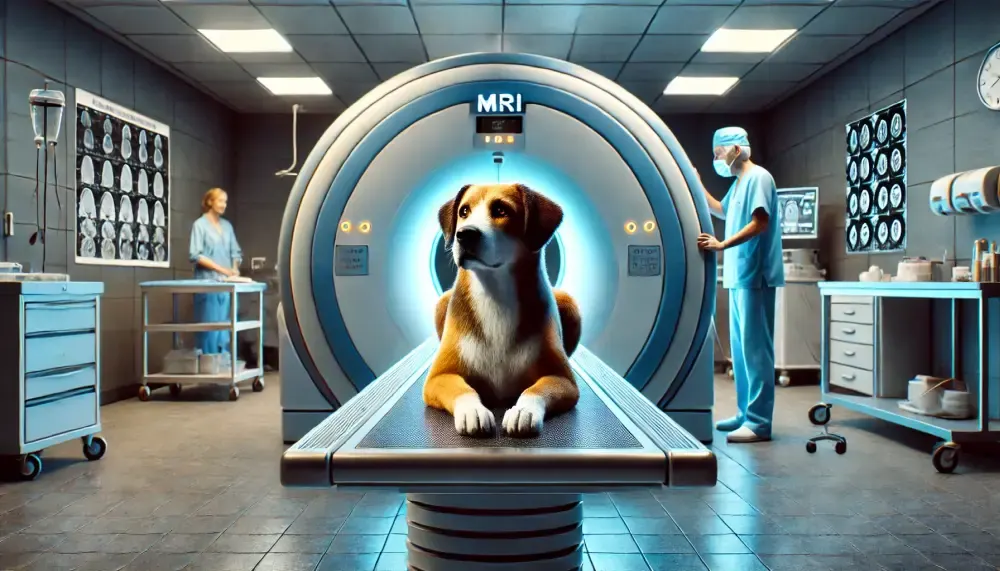
- Magnetic Resonance Imaging (MRI): MRI scans provide detailed images of the brain, allowing veterinarians to detect inflammation, lesions, or abnormal tissue in the brain.
- Cerebrospinal Fluid (CSF) Analysis: A spinal tap may be performed to collect fluid from around the brain and spinal cord. CSF analysis can reveal whether there is inflammation and may help identify infectious agents.
- PCR Testing: Polymerase chain reaction (PCR) tests can detect specific viruses, bacteria, or parasites responsible for encephalitis.
Early diagnosis is critical, as encephalitis can progress rapidly, and the sooner it is detected, the better the chances for successful treatment.
Treatment Options for Encephalitis in Dogs
The treatment of encephalitis in dogs depends on the underlying cause. It usually involves a combination of medications aimed at reducing inflammation, treating infections, and managing symptoms. Here are some common approaches to treatment:
- Anti-Inflammatory Medications: Steroids like prednisone are often prescribed to reduce brain inflammation and swelling. In autoimmune cases, immunosuppressive drugs may also be used.
- Antibiotics, Antifungals, or Antivirals: If an infectious agent is identified, the veterinarian may prescribe antibiotics, antifungal medications, or antivirals to target the specific cause of the encephalitis.
- Anticonvulsants: Seizures are a common symptom of encephalitis, and anticonvulsant medications like phenobarbital or potassium bromide are often used to manage them.
- Hospitalization and Supportive Care: In severe cases, dogs may require hospitalization for intravenous fluids, nutritional support, and close monitoring. Some dogs may need to be in an intensive care unit (ICU) if they have difficulty breathing or suffer from seizures.
Prognosis for Dogs with Encephalitis
The prognosis for dogs diagnosed with encephalitis varies widely depending on factors like the cause of the condition, how quickly treatment begins, and the dog’s overall health. In many cases, early and aggressive treatment can lead to a positive outcome, but in others, the condition may be chronic, requiring long-term management.
- Infectious Encephalitis: If caused by a treatable infection and caught early, dogs can recover fully after treatment. However, some infections, like those caused by distemper or rabies, may have a poorer prognosis.
- Non-Infectious Encephalitis: Autoimmune encephalitis can often be managed with immunosuppressive drugs, but the disease may recur or become chronic.
For dogs with severe or advanced encephalitis, the prognosis is often guarded, and long-term care may be necessary.
Preventing Encephalitis in Dogs
While not all causes of encephalitis can be prevented, there are steps you can take to reduce the risk. Regular vaccinations are crucial in preventing viral causes like canine distemper and rabies. Protecting your dog from tick bites can also reduce the risk of bacterial or parasitic infections that can lead to encephalitis.
Keeping your dog’s overall health in check with regular vet visits, vaccinations, and parasite control will go a long way in protecting them from this serious condition.
Encephalitis in dogs is a complex and life-threatening condition that requires prompt veterinary attention. If your dog shows any signs of neurological problems, such as seizures, disorientation, or weakness, it is important to act quickly. With early detection and the right treatment, many dogs can recover from encephalitis and return to their normal, happy lives.