Puppy Vaccination Schedule
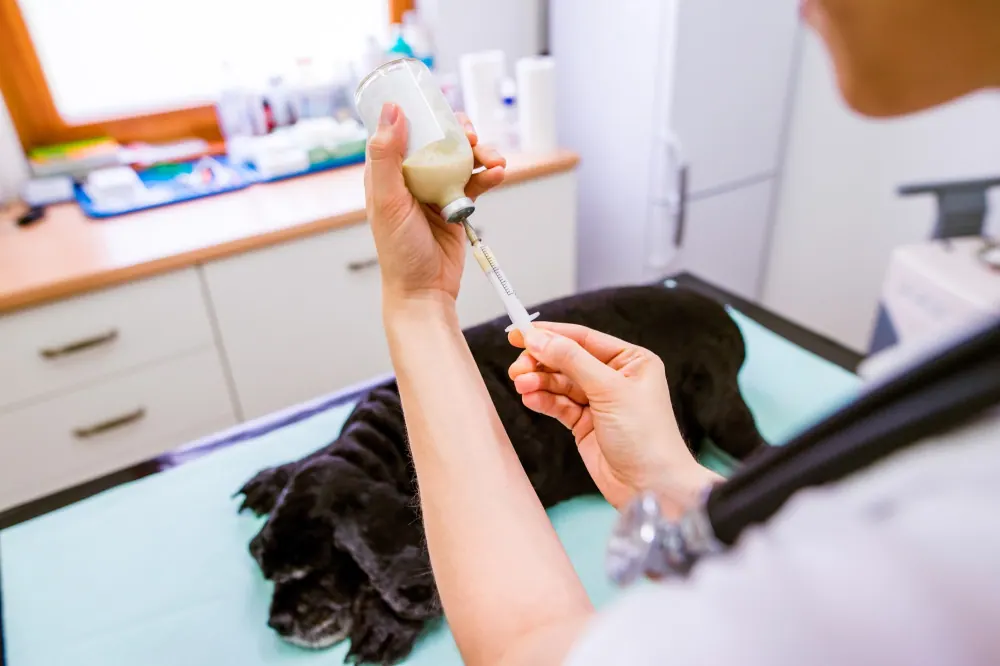
Vaccine schedules vary by pet and region. The AKC guide to puppy shots is a useful overview, and your veterinarian should set the actual plan.
Vaccinations play a crucial role in the health and well-being of puppies, providing protection against several potentially deadly diseases. As new pet owners navigate the journey of puppy care, understanding the vaccination schedule is vital to ensuring their furry friend’s healthy development. This comprehensive guide covers the essential vaccines, timelines, and additional considerations to keep in mind throughout the vaccination process.
Understanding Puppy Vaccinations
Vaccines work by stimulating the immune system to recognize and combat specific diseases without exposing the animal to the risk of contracting the disease itself. For puppies, vaccinations start early in life, as maternal antibodies begin to wane, leaving them vulnerable to infections.
Core Vaccines
Core vaccines are crucial for all puppies regardless of their geographic location or lifestyle because they protect against diseases that are widespread, have high mortality rates, or pose a significant risk to humans.
Canine Parvovirus
The Canine Parvovirus vaccine is a core vaccine that protects puppies from a highly contagious virus affecting the gastrointestinal system. Parvovirus is particularly dangerous for puppies due to its rapid spread and severe symptoms, including vomiting, severe diarrhea, and dehydration, which can be fatal without prompt treatment. Vaccination against parvovirus is critical for preventing this disease, with the initial dose usually administered at 6-8 weeks of age, followed by booster shots to ensure lasting immunity.
Canine Distemper
Canine Distemper is a viral disease that affects the respiratory, gastrointestinal, and central nervous systems of dogs. This core vaccine is essential due to the widespread nature of the virus and its high mortality rate. Symptoms of distemper include fever, nasal discharge, coughing, lethargy, reduced appetite, and in severe cases, seizures. Vaccination provides effective protection against this disease, with puppies typically receiving their first dose between 6-8 weeks of age.
Hepatitis (Adenovirus)
The Hepatitis vaccine protects against Canine Adenovirus Type 1, which causes infectious canine hepatitis, a disease that affects the liver, kidneys, spleen, and lungs. Symptoms can range from mild fever and congestion to severe cases involving pain, vomiting, jaundice, and bleeding disorders. Vaccination against hepatitis is part of the DHPP vaccine combination, which is administered to puppies starting at 6-8 weeks of age.
Rabies
Rabies is a fatal viral disease that affects the central nervous system of all mammals, including humans. The Rabies vaccine is legally required in many areas due to the zoonotic nature of the disease, which can be transmitted to humans through bites. Symptoms include behavioral changes, paralysis, and ultimately, death. Puppies typically receive the rabies vaccine between 12-16 weeks of age, with booster shots as required by law.
Non-Core Vaccines
Non-core vaccines are administered based on a puppy’s exposure risk, which can vary depending on location, lifestyle, and other factors.
Leptospirosis
Leptospirosis is caused by bacteria present in water and soil, which can lead to liver and kidney disease in dogs. The Leptospirosis vaccine is considered non-core and is recommended for puppies at risk of exposure to contaminated water or environments. Vaccination can prevent the disease, which is also zoonotic and can be transmitted to humans. Puppies can start receiving this vaccine at 8-12 weeks of age, with a booster shot for continued protection.
Bordetella (Kennel Cough)
The Bordetella vaccine protects against a highly contagious bacterial infection known as kennel cough, characterized by a severe, hacking cough. This non-core vaccine is recommended for puppies that will spend time in boarding facilities, doggy daycares, or dog parks, where the disease spreads easily. The vaccine can be administered as early as 6-8 weeks of age, depending on the form of the vaccine.
Lyme Disease
Lyme Disease is a tick-borne illness caused by the bacteria Borrelia burgdorferi. Symptoms in dogs include fever, lameness, swelling in the joints, and lethargy. The Lyme disease vaccine is considered non-core and recommended for puppies living in or traveling to areas with a high tick population. Vaccination typically starts at 8-9 weeks of age with a booster shot.
Canine Influenza
Canine Influenza vaccines protect against the highly contagious respiratory infection known as dog flu. Symptoms include coughing, nasal discharge, fever, and lethargy. There are two strains of the virus, H3N8 and H3N2, and vaccines are available for both. This non-core vaccine is recommended for dogs in high-risk environments such as kennels and dog shows. Puppies can be vaccinated from as young as 6-8 weeks of age, depending on the risk of exposure.
Puppy Vaccination Schedule
The vaccination schedule for puppies typically starts at six to eight weeks of age, with boosters administered at three- to four-week intervals until they reach 16 weeks of age. Here is a general guideline:
- 6-8 Weeks: First doses of DHPP (Distemper, Hepatitis, Parainfluenza, Parvovirus), possibly Bordetella, and depending on the area, Leptospirosis.
- 10-12 Weeks: Second DHPP dose, Leptospirosis (second dose), and possibly Lyme disease vaccine, depending on geographic risk.
- 14-16 Weeks: Third DHPP dose, Rabies (as per local laws, usually administered between 12-16 weeks).
Importance of Boosters
Booster shots are critical to maintain immunity against diseases as the initial immunity provided by the vaccines wears off over time. Puppies should receive booster shots 1 year after completing their initial series, and then based on veterinarian recommendations, which can vary from annually to every three years.
Vaccine Safety and Side Effects
Vaccinations are generally safe, and adverse reactions are rare. Mild symptoms may include soreness at the injection site, fever, and lethargy. Severe reactions, such as allergic reactions, are very rare but require immediate veterinary attention.

Additional Considerations
- Veterinary Consultation: Always consult with a veterinarian to determine the most appropriate vaccination schedule for your puppy based on their specific needs, health status, and risk factors.
- Vaccination Records: Keep a detailed record of your puppy’s vaccinations, including the type of vaccine and the date administered. This record is crucial for boarding, grooming, training classes, and future veterinary visits.
- Lifestyle Factors: Discuss your puppy’s lifestyle with your veterinarian, including planned outdoor activities, travel, and exposure to other animals, to tailor the vaccination plan to your puppy’s specific risk exposure.
Final Thoughts
Adhering to a proper vaccination schedule is one of the most important steps a pet owner can take to ensure the long-term health and well-being of their puppy. Vaccines not only protect your puppy from serious diseases but also contribute to the overall health of the pet population by preventing the spread of infectious diseases. With the guidance of a trusted veterinarian, you can navigate the vaccination process with confidence, providing your puppy with a solid foundation for a healthy and happy life.


