Leptospirosis in Dogs
For general pet-health questions, the AVMA pet-owner resources are a reliable starting point, and your veterinarian should guide individual decisions.
Leptospirosis is a bacterial infection that not only affects dogs but can also pose a risk to humans and other animals. Caused by the bacteria Leptospira, this disease can lead to severe health problems, including kidney and liver damage, and in some cases, it can be fatal. Understanding leptospirosis is crucial for dog owners to ensure the health and safety of their pets and families. This comprehensive guide will explore the causes, symptoms, treatment, and prevention of leptospirosis in dogs.
What is Leptospirosis?
Leptospirosis is a zoonotic disease, meaning it can be transmitted from animals to humans. The bacteria thrive in warm, moist environments and can be found in soil and water. Dogs typically become infected through direct contact with infected urine, or with water, soil, or food contaminated with infected urine. The bacteria can enter the body through cuts in the skin or through the eyes, nose, and mouth.
Causes and Risk Factors
The primary cause of leptospirosis in dogs is exposure to the Leptospira bacteria. Certain factors can increase a dog’s risk of contracting the disease, including:
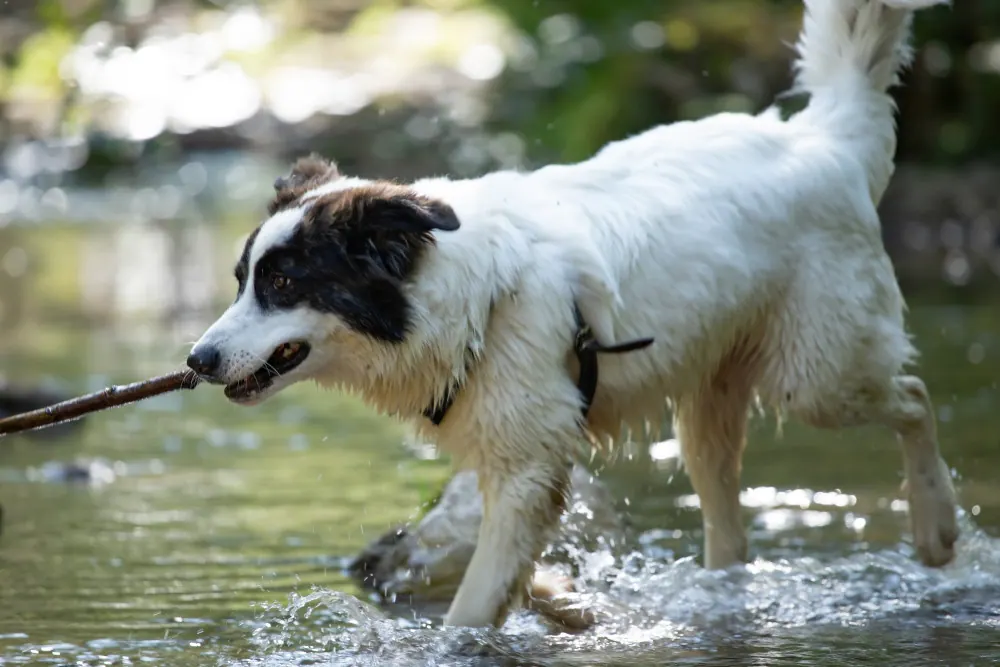
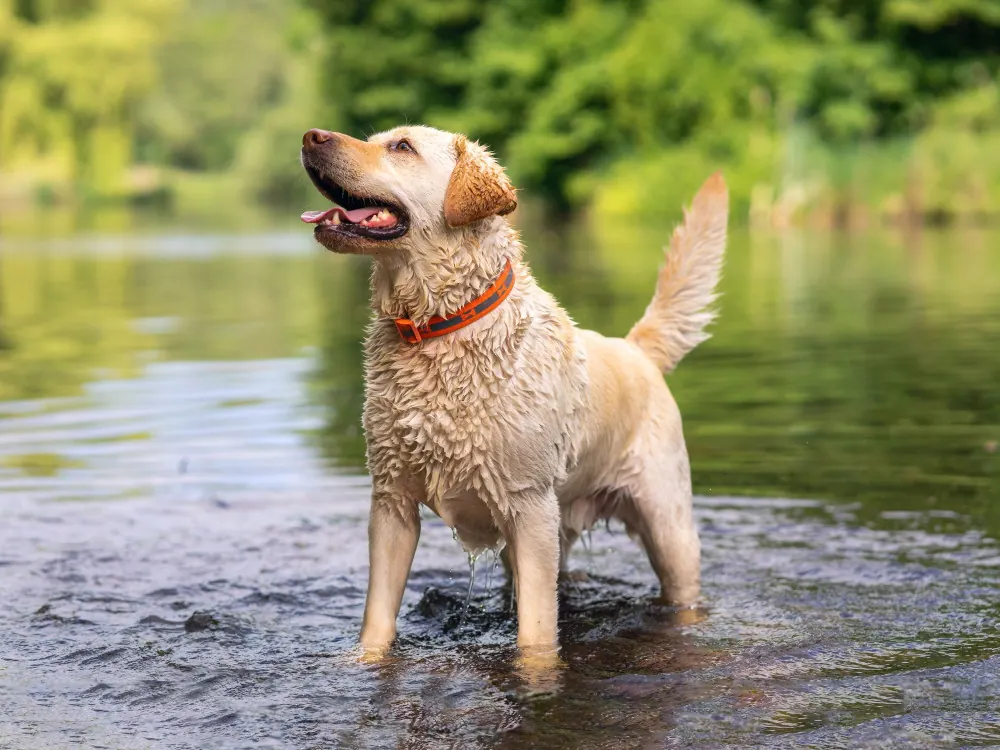
- Exposure to Contaminated Water: Dogs that swim in or drink from rivers, lakes, or puddles may be at higher risk.
- Contact with Wild Animals: Areas frequented by wildlife, especially rodents, can harbor the bacteria.
- Living in or Traveling to High-Risk Areas: Regions with warm climates and high rainfall are more conducive to the survival of Leptospira bacteria.
Symptoms of Leptospirosis in Dogs
The symptoms of leptospirosis can vary from mild to severe and may include:
- Fever
- Vomiting
- Abdominal pain
- Diarrhea
- Refusal to eat
- Severe weakness and depression
- Stiffness
- Muscle pain
- Infertility
- Jaundice (yellowing of the skin and eyes)
- Increased thirst and urination, which may indicate kidney involvement
- Difficulty breathing or coughing, indicating possible lung involvement
It’s important to note that some dogs may show no symptoms at all, yet still spread the bacteria through their urine.
Diagnosis and Treatment
If leptospirosis is suspected, prompt veterinary care is essential. The diagnosis is typically made based on the dog’s history, symptoms, and diagnostic tests, which may include blood tests, urine tests, and sometimes imaging tests like X-rays or ultrasounds to assess organ damage.
Treatment for leptospirosis involves aggressive support to the affected organs, primarily the kidneys and liver. This may include:
- Antibiotics to combat the Leptospira bacteria.
- IV fluids to address dehydration and help flush the bacteria from the kidneys.
- Medications to control vomiting and diarrhea.
- Supportive care for liver or kidney damage.
Early and aggressive treatment can significantly improve the prognosis, but some dogs may experience long-term organ damage.
Prevention of Leptospirosis in Dogs
Preventing leptospirosis involves several key strategies:
- Vaccination: A vaccine is available for dogs that can protect against the most common strains of Leptospira. Discuss with your vet whether this vaccine is appropriate for your pet.
- Avoid Contaminated Water: Keep dogs away from standing water, especially in areas known to have wildlife.
- Control Rodents: Reduce the risk of exposure by controlling rodent populations in and around your home.
- Routine Veterinary Care: Regular check-ups can help catch and address any health issues early on.
Public Health Concerns
Leptospirosis is a concern not only for pet health but also for public health, as it can be transmitted from dogs to humans. In humans, the disease can range from a mild, flu-like illness to severe disease, including Weil’s disease, which can lead to kidney damage, liver failure, and death.
Preventing leptospirosis in dogs, therefore, also helps protect human health. Dog owners should practice good hygiene, especially after handling their pet’s urine, and consider wearing gloves when cleaning up after a dog suspected of having leptospirosis.
Summary
Leptospirosis in dogs is a serious but preventable disease. Awareness and proactive management are key to keeping your pet safe from this infection. By understanding the risks, recognizing the symptoms, and taking preventative measures, dog owners can protect their pets and their families from the dangers of leptospirosis. Remember, if you suspect your dog may have leptospirosis, seek veterinary care immediately to ensure the best possible outcome for your furry friend.


