Excessive Whisker Loss in Cats: Causes, Symptoms, and Treatment
We earn from qualifying Amazon purchases. It doesn't change what we recommend.
For a related health topic, see Sneezing and Excessive Sneezing in Cats. That article is also not a substitute for a veterinary exam.
This is general information, not a diagnosis. The Merck Veterinary Manual cat-owner pages are a reliable place to read more before you talk with your veterinarian.
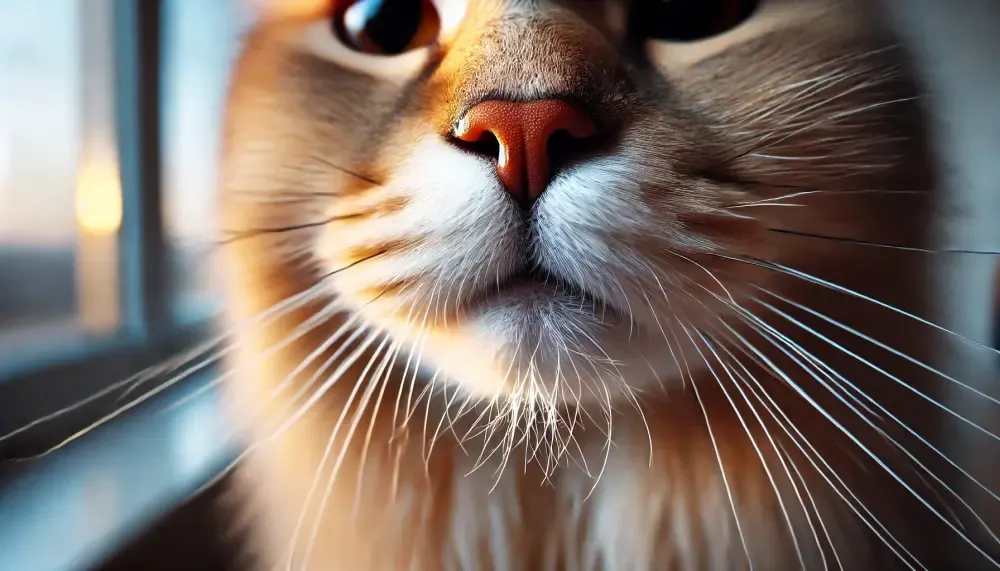
Whiskers are more than just cute facial features on your cat; they serve as essential sensory tools that help your feline friend navigate their environment. Whiskers, or vibrissae, are deeply rooted in the skin and connected to the nervous system, making them highly sensitive. These specialized hairs help cats detect changes in their surroundings, hunt prey, and maintain balance. Therefore, excessive whisker loss can be a cause for concern, signaling underlying health issues or environmental factors that need addressing.
In this article, we will explore the causes of excessive whisker loss in cats, the symptoms to look out for, and the best treatments to ensure your cat remains healthy and happy.
Understanding Whisker Loss: When is it Normal?
It’s normal for cats to lose a few whiskers occasionally, just as they shed fur. Whisker shedding is a natural part of a cat’s growth cycle, where old or damaged whiskers fall out and are replaced by new ones. However, when whisker loss becomes excessive, it can indicate a problem.
Excessive whisker loss might not be immediately noticeable, but if you find more whiskers around your home or notice patches where your cat’s whiskers seem sparse, it’s time to investigate further.
Causes of Excessive Whisker Loss
Several factors can contribute to excessive whisker loss in cats. Identifying the root cause is crucial in determining the appropriate treatment.
1. Stress and Anxiety
Cats are sensitive creatures, and stress can manifest in various ways, including excessive whisker loss. Changes in their environment, such as moving to a new home, the introduction of a new pet, or even changes in your routine, can cause stress. Cats may groom excessively in response to stress, leading to whisker loss.
2. Allergies and Skin Irritations
Allergies to food, environmental factors like pollen, or even grooming products can cause skin irritations in cats. When the skin around the whiskers becomes inflamed or itchy, cats may scratch or rub their faces excessively, leading to whisker loss.
3. Nutritional Deficiencies
A diet lacking in essential nutrients can affect the health of your cat’s skin and coat, including their whiskers. Deficiencies in vitamins, minerals, and fatty acids can weaken whiskers, causing them to fall out more easily.
4. Infections and Parasites
Bacterial or fungal infections on the skin can lead to whisker loss. Parasites like mites or fleas can also cause significant discomfort, prompting your cat to scratch or groom excessively. Infections and parasites often lead to patchy hair and whisker loss, accompanied by redness or swelling of the skin.
5. Physical Trauma
Physical injuries to the face, whether from a fight with another animal, an accident, or even aggressive grooming, can damage whiskers and cause them to fall out. Cats that roam outdoors are particularly susceptible to such injuries.
6. Medical Conditions
Certain medical conditions, such as hyperthyroidism, hormonal imbalances, or autoimmune diseases, can lead to excessive whisker loss. These conditions often have additional symptoms, such as weight loss, lethargy, or changes in appetite, that accompany the whisker loss.
Symptoms to Watch For
If you suspect your cat is losing whiskers excessively, it’s important to monitor them for other symptoms that might indicate an underlying issue:
- Bald Spots: Noticeable patches where whiskers are missing or where fur has also fallen out.
- Redness or Swelling: Inflammation of the skin around the whisker area.
- Excessive Scratching or Grooming: Your cat may be scratching their face more than usual or grooming excessively.
- Behavioral Changes: Signs of stress, anxiety, or discomfort, such as hiding, reduced appetite, or changes in litter box habits.
- Other Physical Symptoms: Weight loss, lethargy, or changes in appetite or drinking habits.
Treatment Options
Treating excessive whisker loss in cats involves addressing the underlying cause. Here are some steps you can take to help your feline friend:
1. Addressing Stress and Anxiety
If stress is the cause of your cat’s whisker loss, it’s important to create a calm and stable environment. Providing a safe space, consistent routines, and plenty of enrichment activities can help reduce your cat’s anxiety. In some cases, your veterinarian may recommend pheromone diffusers or anxiety-reducing supplements.
2. Treating Allergies and Skin Irritations
If allergies or skin irritations are causing the whisker loss, identifying and eliminating the allergen is crucial. Switching to hypoallergenic food, using gentle grooming products, and keeping your home free of environmental triggers like dust or pollen can help. In severe cases, your vet may prescribe antihistamines or corticosteroids.
3. Improving Nutrition
Ensuring your cat receives a balanced diet rich in essential nutrients is key to maintaining healthy whiskers. High-quality cat food that includes omega-3 and omega-6 fatty acids, vitamins, and minerals will support overall skin and coat health. Consult your vet for recommendations on the best diet for your cat.
4. Treating Infections and Parasites
If your cat has an infection or parasite infestation, prompt treatment is necessary. Your vet may prescribe antibiotics, antifungal medications, or topical treatments to clear the infection. Regular flea and parasite control can prevent future infestations.
5. Managing Medical Conditions
For cats with underlying medical conditions like hyperthyroidism or hormonal imbalances, managing the condition with appropriate medication and regular vet check-ups is essential. Treating the primary condition will often resolve the issue of excessive whisker loss.
Prevention Tips
Preventing excessive whisker loss in cats involves regular care and monitoring:
- Regular Vet Visits: Regular check-ups can help identify and address health issues before they lead to whisker loss.
- Balanced Diet: Provide a nutritious diet to support healthy skin, coat, and whiskers.
- Stress Management: Minimize stress by maintaining a stable environment and providing mental and physical enrichment.
- Grooming: Regular grooming with gentle products can help keep your cat’s skin healthy and reduce the risk of whisker loss.
When to See a Vet
While occasional whisker loss is normal, excessive or sudden whisker loss warrants a visit to the vet. Your veterinarian can perform a thorough examination to determine the underlying cause and recommend appropriate treatment.
Excessive whisker loss in cats can be a sign of underlying health or environmental issues. By understanding the potential causes and symptoms, you can take steps to address the problem and keep your cat’s whiskers healthy. Regular veterinary care, a balanced diet, and a stress-free environment are key to preventing and treating excessive whisker loss. Remember, your cat’s whiskers are more than just a charming feature—they play a vital role in their well-being.