How Much Protein Does a Dog Need?
For general pet-health questions, the AVMA pet-owner resources are a reliable starting point, and your veterinarian should guide individual decisions.
Protein is one of the most essential nutrients for a dog’s health. It plays a vital role in building and maintaining muscles, tissues, skin, hair, and organs. However, determining how much protein a dog needs can be complex, as the requirement varies depending on several factors like the dog’s age, breed, size, and activity level. In this article, we will explore the importance of protein in a dog’s diet and guide you on how to ensure your furry friend gets the right amount for optimal health.
The Role of Protein in Dog Nutrition
Protein is made up of amino acids, which are the building blocks of your dog’s body. Dogs require 10 essential amino acids that they cannot produce on their own, which must come from their diet. These amino acids support:
- Muscle development and maintenance
- Repair of tissues and cells
- Production of enzymes and hormones
- Strengthening the immune system
- Energy supply, especially for highly active dogs
Without sufficient protein, your dog may suffer from weakness, poor coat quality, muscle loss, and slower healing.
How Much Protein Does Your Dog Need?
The amount of protein your dog requires depends on several factors:
- Age: Puppies need higher protein content to support their rapid growth and development. Senior dogs, on the other hand, may require slightly less protein but still need a good amount to maintain muscle mass.
- Size: Larger breeds need more protein in general, but protein needs should be calculated relative to their body weight.
- Activity Level: Active dogs, such as working dogs or dogs that participate in agility training, require higher protein levels to support their energy expenditure and muscle recovery.
- Reproductive Status: Pregnant or lactating dogs have significantly higher protein needs to support the development of their puppies and milk production.
Protein Requirements for Dogs by Life Stage
While protein needs can vary, the following general guidelines apply:
- Puppies: Puppies in their growth phase require about 22-32% protein in their diet. This is essential for building muscle, bones, and tissues during their formative months.
- Adult Dogs: For a healthy adult dog, a diet containing 18-25% protein is typically sufficient. This range provides the necessary nutrients for maintaining body tissues and overall health.
- Senior Dogs: As dogs age, they may become less active, and their metabolism slows down. However, they still need a significant amount of protein to prevent muscle loss. A senior dog’s diet should contain 18-20% protein.
- Working Dogs: Highly active dogs, such as those used for hunting, herding, or agility, may require as much as 25-30% protein to maintain energy levels and support muscle repair.
| Dog’s Life Stage / Activity Level | Recommended Protein Percentage | Notes |
|---|---|---|
| Puppies | 22-32% | Supports growth and development |
| Adult Dogs | 18-25% | Maintains muscle and overall health |
| Senior Dogs | 18-20% | Prevents muscle loss, supports aging |
| Working / Active Dogs | 25-30% | Supports high energy needs and muscle repair |
| Pregnant / Lactating Dogs | 25-30% | Supports the development of puppies and milk production |
Protein Sources in Dog Food
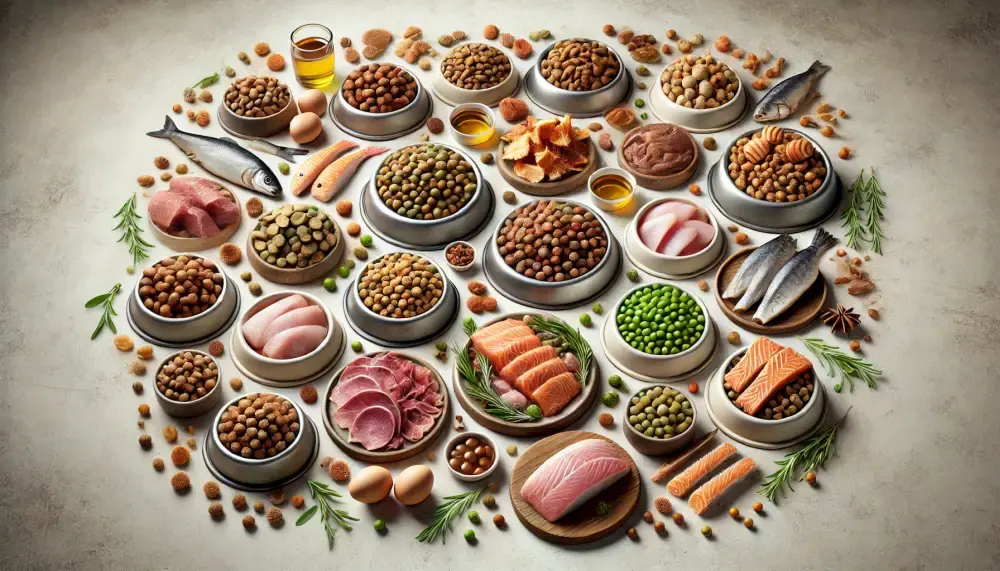
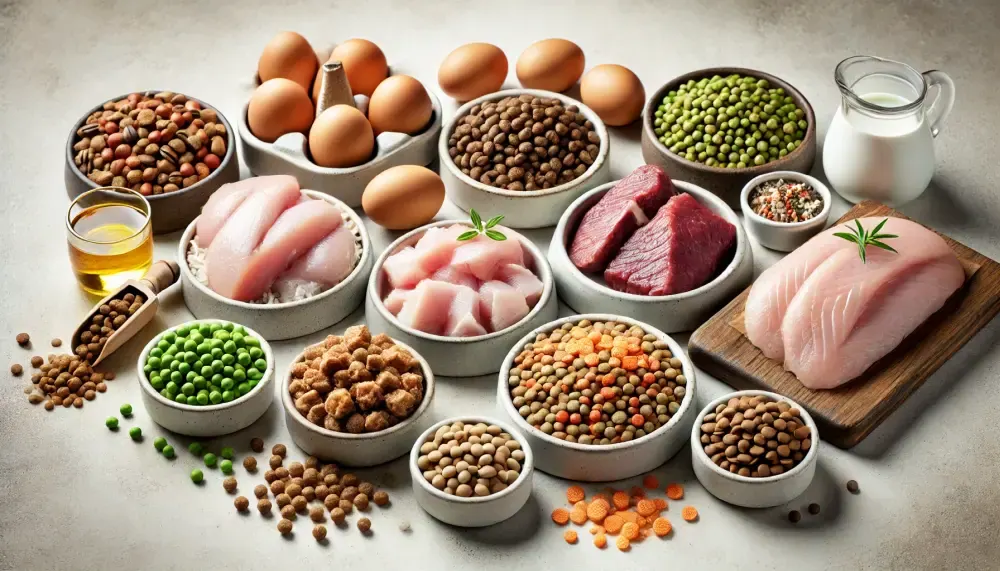
The quality of protein is just as important as the quantity. High-quality proteins provide all the essential amino acids your dog needs. Common sources of protein in commercial dog foods include:
- Meat (chicken, beef, lamb, turkey): These are excellent sources of complete proteins that provide all the essential amino acids.
- Fish: Rich in protein and omega-3 fatty acids, fish like salmon is great for supporting skin, coat, and joint health.
- Eggs: Considered one of the most bioavailable sources of protein, eggs provide essential amino acids in an easily digestible form.
- Plant-based proteins (peas, lentils, chickpeas): While plant proteins can contribute to a dog’s overall protein intake, they should be combined with animal proteins to ensure all essential amino acids are met.
High-Protein Dog Food: Is It Always Better?
While protein is vital, more isn’t always better. Feeding your dog excessively high levels of protein can have its downsides, particularly for dogs with certain health conditions like kidney disease. It’s important to find a balance based on your dog’s specific needs.
For example:
- Overfeeding protein to a sedentary dog may lead to weight gain.
- Dogs with kidney issues may need a lower protein diet to reduce stress on the kidneys.
How to Choose the Right Dog Food Based on Protein Content
When selecting dog food, it’s crucial to read the label and understand the sources and percentage of protein. Here are some tips:
- Look for named meat sources as the first ingredient. Avoid foods where “meat by-products” or “animal meal” are listed first, as they may be of lower quality.
- Check the guaranteed analysis for protein content. It’s important to match the percentage of protein in the food to your dog’s life stage and activity level.
- Consider dietary sensitivities. Some dogs may be allergic to specific protein sources, such as beef or chicken, and may require alternative proteins like fish or lamb.
- Ask your veterinarian. If you’re unsure about your dog’s protein needs, consulting your vet can help you tailor their diet to their individual health requirements.
Signs Your Dog May Need More or Less Protein
It’s essential to monitor your dog’s health and adjust their diet accordingly. Here are some signs that your dog may not be getting the right amount of protein:
- Lack of Energy: If your dog seems lethargic or has low stamina, they may need more protein in their diet to boost their energy levels.
- Weight Loss or Muscle Loss: A dog that is losing weight or muscle despite regular feeding might require a higher protein intake to support muscle maintenance.
- Poor Coat Condition: Protein is essential for healthy skin and coat. If your dog’s coat looks dull, thin, or brittle, they may need more protein or a higher quality source of it.
- Digestive Issues: Too much protein can lead to digestive problems, including diarrhea or upset stomach. If your dog is experiencing these symptoms, it may be worth reviewing the protein content in their diet.
Protein is an essential nutrient for your dog’s overall health, but the amount your dog needs depends on various factors such as age, size, activity level, and health conditions. Choosing high-quality sources of protein and feeding the right amount is key to supporting their well-being. If in doubt, consult with your veterinarian to determine the best protein levels for your dog’s specific needs.


