How to Introduce Your Dog to Your New Baby
We earn from qualifying Amazon purchases. It doesn't change what we recommend.
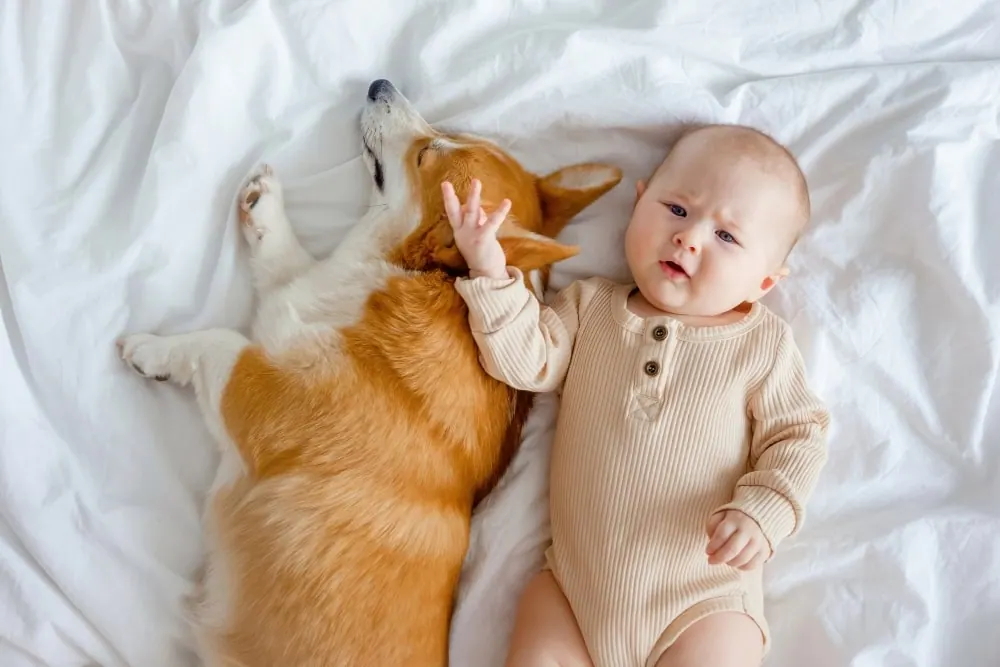
Related reading: 10 Reasons to Raise a Baby Around a Dog.
For general pet-health questions, the AVMA pet-owner resources are a reliable starting point, and your veterinarian should guide individual decisions.
Bringing a new baby home is an exciting time for a family, but it can also be a period of adjustment, especially if you have a furry family member. Dogs, like humans, need time to get used to new family dynamics. Preparing your dog for the arrival of your newborn is crucial to ensure both their safety and the baby’s. This article will guide you through the steps of introducing your dog to your new baby, helping you foster a positive relationship between them from the start. This is important since there are many reasons to raise to raise a baby around a dog.
Understand Your Dog’s Temperament
Before the baby arrives, take some time to assess your dog’s temperament. Consider how your dog reacts to new people and environments. Are they generally easygoing, or do they tend to be anxious or aggressive in new situations? Understanding these traits will help you predict how your dog might initially respond to a new baby and plan the introduction accordingly.
Preparation Before the Baby Arrives
1. Gradual Desensitization
Help your dog get used to baby-related noises several months in advance. You can play recordings of a baby crying, gurgling, or babbling to familiarize your dog with these new sounds. This can prevent shock or anxiety when your dog hears these noises for the first time from your baby.
2. Establish Boundaries
Teach your dog which areas of the house are off-limits, especially the baby’s room. You can install baby gates or keep the nursery door closed to help your dog understand that they are not allowed to enter without permission.
3. Health and Hygiene
Ensure your dog is healthy and well-groomed before the baby arrives. This includes up-to-date vaccinations, regular worming, and flea treatments. Keeping your dog clean and free of parasites is important for the health of your baby.
The Introduction Process
1. Initial Scent Introduction
Before you bring your baby home from the hospital, bring an item that contains your baby’s scent, such as a blanket or a worn onesie, and allow your dog to sniff it. This helps your dog become familiar with the new member of the family through scent, which is a powerful sense for dogs.
2. Controlled First Meeting
When the day comes to introduce your dog to your baby, keep the dog on a leash initially. This allows you to control the interaction. Allow your dog to sniff the baby from a safe distance and watch their reactions closely. Reward calm and curious behaviors with treats to reinforce positive associations with the baby.
3. Supervised Interactions
Never leave your baby alone with the dog, even if your dog has always been gentle and well-behaved. Always supervise interactions between your dog and your baby, and continue to reward your dog for gentle behavior.
Ongoing Management and Training
1. Keep Routine Consistent
Try to maintain your dog’s regular routine of walks, feeding, and playtime. This consistency helps your dog feel secure and less jealous of the attention the baby is receiving.
2. Positive Reinforcement
Continue to use positive reinforcement to encourage good behavior around the baby. Treats, praises, and petting can help your dog associate the baby with positive things.
3. Increase Socialization
Once your baby is settled and your dog is comfortable, gradually increase socialization activities that include both your dog and the baby, like walks to the park. This helps your dog adjust to being around the baby in various environments.
Handling Potential Problems
If your dog shows signs of aggression or anxiety around the baby, consult a professional dog trainer or behaviorist immediately. They can provide specialized guidance and intervention to manage the behavior safely.
Introducing your dog to your new baby can be a beautiful and seamless process with the right preparation and approach. By understanding your dog’s needs and responses, establishing clear boundaries, and consistently managing their interactions, you can foster a lifelong friendship between your dog and your child. Remember, patience and consistency are key in building a safe and loving environment for both your new baby and your beloved pet.
A walk-through gate can keep a dog out of a nursery without closing a door, as long as it is mounted correctly. Our dog gates guide covers extra-tall options and why a pressure-mounted gate should not go at the top of the stairs.