Is Beef Hide the Same as Rawhide? What the Labels Often Mean
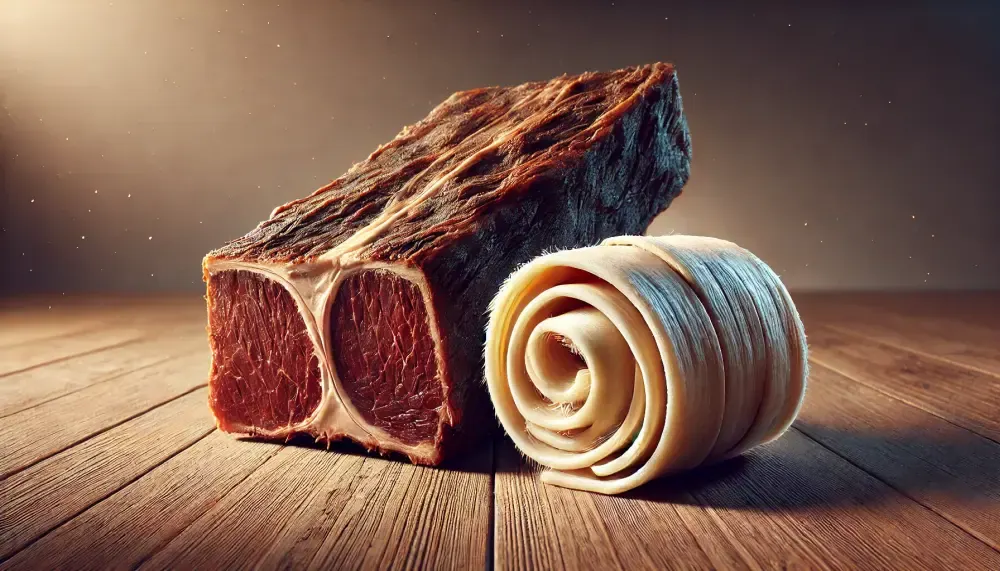
Beef hide and rawhide are related, but they are not always the same product on a package. Rawhide is typically made from the inner layer of cattle skin that has been processed and dried. “Beef hide” may describe a similar processed hide chew, or it may be used loosely on a label. Either way, these chews can be tough to digest. Swallowed chunks are a choking and blockage risk, and some products are treated with additives you would not choose on purpose. Supervise every session, match the size to the dog, and throw away soft, slimy, or small end pieces.
For general pet-health questions, the AVMA pet-owner resources are a reliable starting point, and your veterinarian should guide individual decisions.
If you want a chew with a clearer ingredient story, many owners look at best bully sticks or a durable best dog toys guide option instead. Dental chews are a different category; see best dental sticks for dogs if oral care is the goal, and still supervise.
As an Amazon Associate, we earn from qualifying purchases.
When browsing through the pet aisle, you might have come across products labeled as “beef hide” and “rawhide.” At first glance, they might appear to be the same, but there are some key differences between them. Understanding these differences can help you make informed decisions about which chew is best for your furry friend.
What Is Beef Hide?
Beef hide is a chew made from the skin of cattle, particularly the inner layer of the hide. It undergoes minimal processing, which helps retain more of its natural nutrients. Beef hide chews are thicker, more flavorful, and are typically marketed as high-protein treats for dogs.
These chews are often considered a more natural alternative to other processed chews. They tend to be easier to digest than rawhide, as they don’t go through the same extensive chemical processing. This makes them an excellent choice for pet owners who prefer more wholesome and less chemically-treated options.
See top-rated Beef Hide for dogs on Amazon
What Is Rawhide?
Rawhide, on the other hand, is also made from the inner layer of animal hides, commonly from cows, but sometimes from other animals like pigs. The primary difference lies in the processing. Rawhide is typically cleaned, cut, and pressed into various shapes. It then goes through bleaching and treatment with chemicals to give it that familiar pale and smooth appearance.
The lengthy processing of rawhide can strip away some of its natural nutrients, leaving behind a chew that is primarily for entertainment and dental health rather than nutrition. It is tougher and can last longer than beef hide, making it a popular choice for aggressive chewers.
See top-rated Rawhide for dogs on Amazon
Key Differences Between Beef Hide and Rawhide
| Aspect | Beef Hide | Rawhide |
|---|---|---|
| Processing | Minimal processing, retains nutrients | Heavily processed, often bleached |
| Texture | Thicker and more flavorful | Tough, pale, and smooth |
| Digestibility | Easier to digest | Harder to digest and can cause blockages |
| Nutritional Value | Contains more natural protein | Mostly used for entertainment/dental health |
Safety Concerns: Beef Hide vs. Rawhide
Safety is a top concern for pet owners, and understanding how these chews can affect your dog is crucial.
Beef Hide Safety
- Easier to Digest: Since beef hide undergoes less processing, it is generally easier for dogs to digest. This reduces the risk of blockages in the intestines.
- Fewer Chemicals: Minimal treatment means fewer chemicals are involved, making it a safer and more natural option for your dog.
Rawhide Safety
- Choking Hazard: Rawhide can become a choking hazard, especially if your dog tends to swallow large pieces without chewing properly.
- Risk of Blockages: The tougher texture makes it harder to break down, increasing the risk of intestinal blockages if ingested in large chunks.
- Chemical Exposure: The bleaching and treatment process involves chemicals that may be harmful, especially for dogs with sensitive stomachs or allergies.
Which Is Better for Your Dog?
Choosing between beef hide and rawhide largely depends on your dog’s chewing habits, health needs, and your preferences as a pet owner.
When to Choose Beef Hide
- If your dog has a sensitive stomach or has had issues with digesting chews in the past.
- If you prefer a more natural, minimally processed chew for your pet.
- If your dog is not an aggressive chewer and can enjoy softer, flavorful treats.
When to Choose Rawhide
- If your dog is a strong chewer and requires a tough, long-lasting chew to keep them entertained.
- If you’re primarily looking for something that helps clean your dog’s teeth and gums, as the tougher texture can help scrape away plaque.
Tips for Safe Chewing
- Supervise Your Dog: Always monitor your dog when giving them any type of chew. This helps prevent choking or accidental ingestion of large pieces.
- Size Matters: Choose a chew that’s appropriate for your dog’s size. Larger breeds should have larger chews, while smaller dogs need smaller pieces.
- Check for Quality: Look for high-quality products that clearly state their ingredients and origin. Avoid products with added chemicals, preservatives, or artificial flavors.
Are There Alternatives?
If you’re still unsure about beef hide or rawhide, there are several alternatives available that may suit your dog’s chewing needs:
- Bully Sticks: Made from beef muscle, bully sticks are easy to digest and high in protein.
- Dehydrated Meat Chews: These chews are made from single-ingredient dehydrated meat, offering a natural and flavorful option.
- Rubber or Nylon Chews: These non-edible chews are durable and can help with dental health, making them a safer alternative for aggressive chewers.
Beef hide and rawhide may seem similar at first glance, but their differences lie in processing, texture, digestibility, and safety. While beef hide offers a more natural and easily digestible option, rawhide is tougher and may be more suitable for aggressive chewers. Understanding these distinctions allows you to make an informed decision that prioritizes your dog’s health and happiness.
Choose wisely, monitor your pet’s chewing habits, and always prioritize their safety. By doing so, you’ll ensure they enjoy their chew while reaping the benefits it offers.


