Orange Poop After Chicken and Rice: When It Is the Food, When to Call
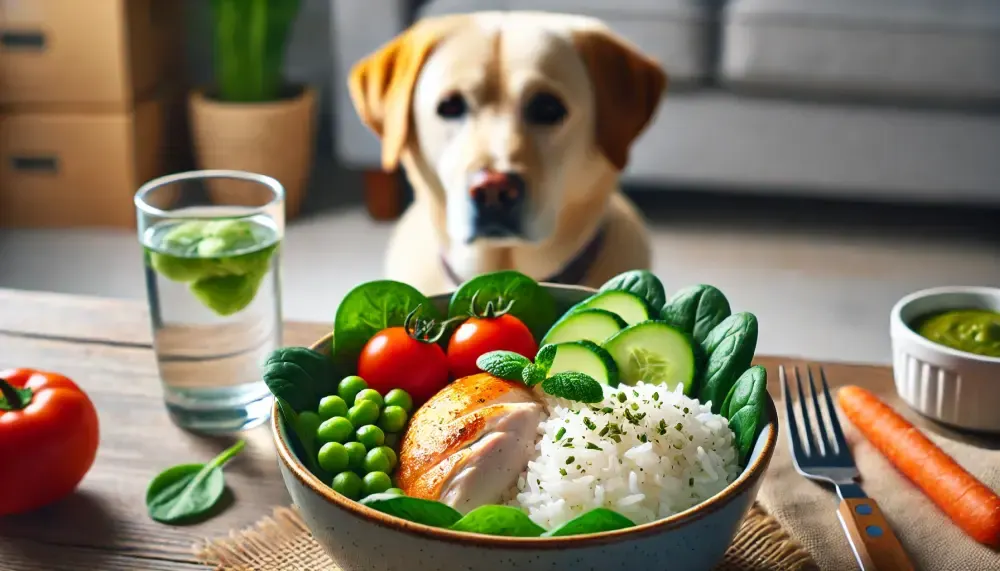
Orange or carrot-colored stool after a bland chicken-and-rice meal is sometimes just the food showing through, especially if the stool is otherwise formed and the dog seems well. It can also be a sign of rapid transit, bile, or another gastrointestinal problem. Color alone is a clue, not a diagnosis. Call your veterinarian if the stool is watery, black, bloody, or gray-white, if there is vomiting or lethargy, if the color change lasts more than a brief period, or if the bland diet was not recommended by your clinic.
For general pet-health questions, the AVMA pet-owner resources are a reliable starting point, and your veterinarian should guide individual decisions.
Related reading: If a Dog Is Allergic to Chicken, Is Turkey OK? Sometimes, Not Always.
Unusual stool habits have several causes. If the dog is eating stool, our stool-eating deterrent guide covers management, not a miracle cure.
Do not keep switching proteins or adding supplements to “correct” the color at home. If a bland diet was only a short-term plan, ask when to return to a complete food; see best dry food for sensitive stomachs or wet vs dry dog food guide once your veterinarian says it is time.
If you’ve recently fed your dog a bland diet of chicken and rice, you might notice that their poop has taken on an orange hue. This can be concerning for dog owners who aren’t sure what’s normal and what’s not when it comes to their pet’s stool color. However, in many cases, orange poop after eating chicken and rice is not necessarily a cause for alarm. Here’s everything you need to know about this phenomenon.
What Causes Orange Poop in Dogs?
There are several potential reasons why your dog’s poop might turn orange after eating a meal of chicken and rice. Understanding these causes can help determine whether you should be concerned or if it’s just a harmless side effect of their diet.
1. Dietary Influence
One of the most common reasons for orange poop in dogs is their diet. Chicken and rice is a popular bland meal often recommended by veterinarians to help with digestive issues. Both chicken and rice are relatively low in fat and fiber, making them gentle on a dog’s digestive system. However, the lack of fiber can sometimes lead to changes in stool color. The white rice and lean chicken may cause food to pass more quickly through the digestive system, resulting in a lighter, orange-tinted stool.
2. Carotenoids in Chicken and Rice
Carotenoids are natural pigments found in various foods, including chicken. These pigments are responsible for giving certain foods their color, such as the yellowish tint of chicken fat or the orange hue of vegetables like carrots. When your dog consumes food rich in carotenoids, it can affect the color of their stool. Even though rice is a neutral food, the chicken’s carotenoid content can contribute to the orange appearance in your dog’s poop.
3. Food Coloring or Additives
If you’re feeding your dog store-bought chicken and rice meals or commercial dog food that contains chicken and rice, there may be additives or food colorings present. Some brands use artificial or natural colors to make the food more appealing. These additives can sometimes cause orange poop. Always check the ingredients to ensure that there are no unnecessary colorings or chemicals in your dog’s food.
4. Bile Production and Digestive Health
Bile is a digestive fluid produced by the liver and stored in the gallbladder. It helps with the digestion of fats and gives stool its typical brown color. If your dog’s stool is orange, it could indicate that bile is not being fully processed or absorbed in the digestive system. While this is not necessarily dangerous, it could point to an underlying issue, such as a minor digestive upset or something more serious, like liver disease. If the orange color persists, it’s worth consulting with your vet.
When to Be Concerned About Orange Poop
While orange poop after a chicken and rice diet is often benign, there are some instances where it might indicate a problem. Here are some signs that you should look out for:
1. Persistent Orange Stool
If your dog’s poop remains orange even after switching back to their regular food, it could suggest a more serious issue. Persistent orange stools can be a symptom of liver disease, gallbladder issues, or digestive tract inflammation. In these cases, a veterinary visit is essential.
2. Other Symptoms
If your dog shows additional signs of illness, such as vomiting, diarrhea, lethargy, or loss of appetite, the orange stool may be part of a larger health issue. These symptoms, combined with unusual stool color, warrant a visit to the vet.
3. Blood in the Stool
It can be difficult to distinguish between orange stool and blood-stained stool. If the orange color appears more reddish or if there are visible streaks of blood, this is a serious issue that should be addressed immediately. Blood in the stool can indicate gastrointestinal bleeding, parasites, or other severe conditions that require prompt medical attention.
How to Address Orange Poop in Dogs
If your dog is experiencing orange poop and there are no other worrisome symptoms, here are a few steps you can take:
1. Monitor the Diet
Stick to a bland diet for a few days but be mindful of any changes in stool color. If you notice the orange color persists after the chicken and rice diet has ended, try slowly reintroducing your dog’s regular food. This will help you determine whether the orange poop is diet-related or if there might be another cause.
2. Consult Your Vet
If your dog’s orange stool is accompanied by additional symptoms such as vomiting, lethargy, or weight loss, it’s time to consult with your vet. They may recommend blood tests or stool analyses to check for any underlying health issues.
3. Hydration and Rest
Providing your dog with plenty of fresh water and allowing them ample rest is crucial for supporting digestion and recovery from any mild digestive upset. Chicken and rice is a helpful recovery meal, but hydration plays an equally important role.
Prevention of Orange Poop in Dogs
While orange poop after chicken and rice isn’t always preventable, you can help keep your dog’s digestive system healthy with the following tips:
1. Gradual Diet Changes
When transitioning your dog to a bland diet or any new food, make the change gradually. Sudden dietary shifts can disrupt digestion and lead to abnormal stool colors.
2. Avoid Food Colorings and Additives
If possible, prepare fresh meals for your dog to avoid unnecessary additives, fillers, and food colorings. This ensures they’re getting a balanced diet without ingredients that could alter stool color.
3. Monitor Digestive Health
Pay close attention to your dog’s overall digestive health. If they frequently experience changes in stool color or consistency, it could indicate a chronic digestive issue that requires veterinary attention.
Orange poop after feeding your dog chicken and rice is usually not a cause for concern, especially if it’s temporary and there are no other symptoms. Dietary changes, bile production, and food pigments can all play a role in altering stool color. However, if the orange poop persists or is accompanied by other signs of illness, a visit to the vet is recommended. By keeping an eye on your dog’s diet and overall health, you can ensure that they stay happy and healthy.


