Play Nice: Dog Park Etiquette
Related reading: Dog Toy Obsession: When Play Becomes a Problem, and What Helps.
For general pet-health questions, the AVMA pet-owner resources are a reliable starting point, and your veterinarian should guide individual decisions.
Dog parks are wonderful spaces where dogs can socialize, exercise, and enjoy some off-leash freedom. However, for these parks to be safe and enjoyable for everyone, both dogs and their owners must follow certain rules of etiquette. Here’s a comprehensive guide to help you navigate dog park etiquette, ensuring a positive experience for all.
Understanding Dog Park Etiquette
Dog park etiquette refers to the set of unwritten rules and behaviors that dog owners should follow to ensure their pets interact safely and harmoniously with other dogs and people. This includes everything from picking up after your dog to recognizing when it’s time to leave the park.
Preparing for Your Visit
Know Your Dog’s Personality
Before heading to the dog park, it’s crucial to understand your dog’s temperament. Not all dogs enjoy the chaos and energy of a dog park. If your dog is aggressive, overly shy, or not well-socialized, it might be best to work on their behavior in a more controlled environment first.
Vaccinations and Health
Ensure your dog is up-to-date on vaccinations and is free from any contagious illnesses. This not only protects your pet but also other dogs at the park.
Bring the Essentials
Pack a few essentials for your trip to the dog park, including:
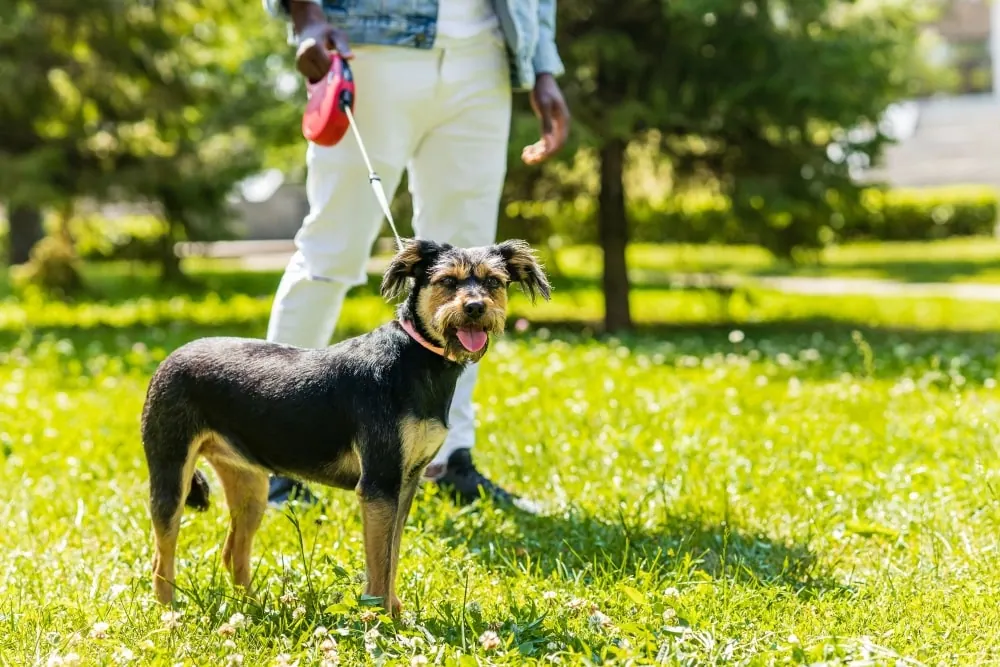
- A leash (for entering and exiting the park)
- Water and a portable bowl
- Waste bags for cleaning up after your dog
- Dog treats for positive reinforcement
At the Park: The Do’s and Don’ts
Do: Observe Before Entering
Before entering the park, take a moment to observe the environment. Check for any signs of aggressive behavior among the dogs already inside. If the park seems too crowded or there are dogs that make you uneasy, consider coming back at a different time.
Don’t: Enter During Peak Hours
While it might be tempting to visit the park when it’s bustling with activity, peak hours can be overwhelming for some dogs. Early mornings or late afternoons are typically quieter times.
Do: Use the Proper Entrance
Most dog parks have separate entrances for large and small dogs. Make sure to use the correct entrance based on your dog’s size to prevent any accidental injuries or intimidation.
Don’t: Bring Toys or Food
Bringing toys or food into the dog park can lead to territorial behavior and fights among dogs. It’s best to leave these items at home to avoid any potential conflicts.
Monitoring Your Dog
Keep an Eye on Your Dog
Always supervise your dog while at the park. Stay close enough to intervene if necessary, but allow them enough space to play and socialize independently.
Recognize Signs of Stress
Dogs can become overwhelmed or stressed in a busy environment. Watch for signs of stress, such as excessive panting, cowering, or trying to hide. If your dog seems uncomfortable, it might be time to leave.
Manage Playtime
Monitor the intensity of your dog’s play. Rough play can quickly escalate into aggression. If your dog becomes too rowdy or starts to play too roughly, step in and calm them down.
Handling Conflicts
Know When to Step In
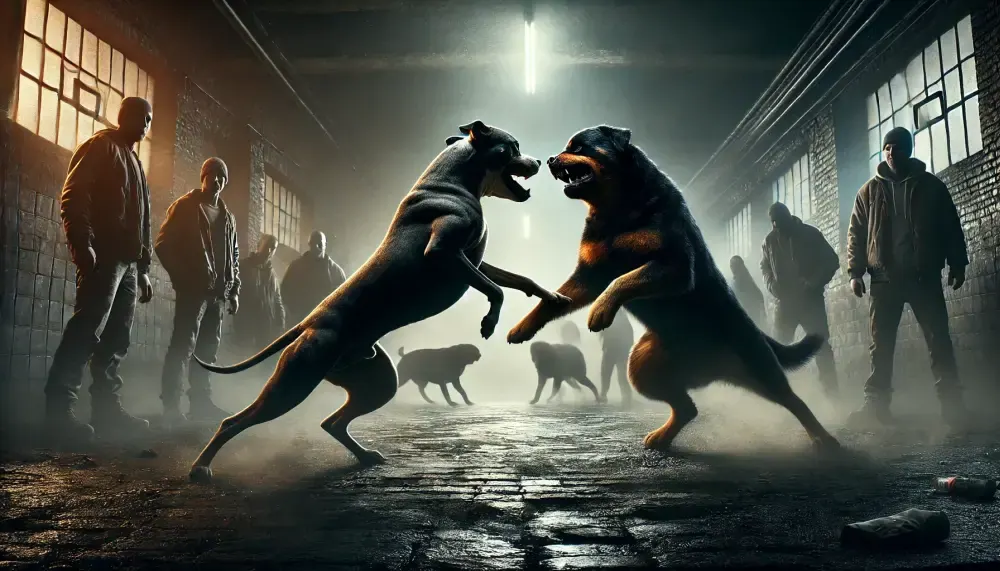
Conflicts can arise at any dog park. If you notice a fight brewing, intervene calmly and safely. Use a loud noise or water spray to separate the dogs, if necessary. Avoid putting yourself in harm’s way.
Communicate with Other Owners
If another dog is causing problems, calmly discuss the situation with their owner. Most dog owners appreciate being informed if their pet is behaving inappropriately.
Leave When Necessary
If your dog is repeatedly causing conflicts or seems unable to play nicely, it’s best to leave the park. Forcing them to stay in an uncomfortable situation can lead to more significant problems.
Respecting the Park and Other Users
Pick Up After Your Dog
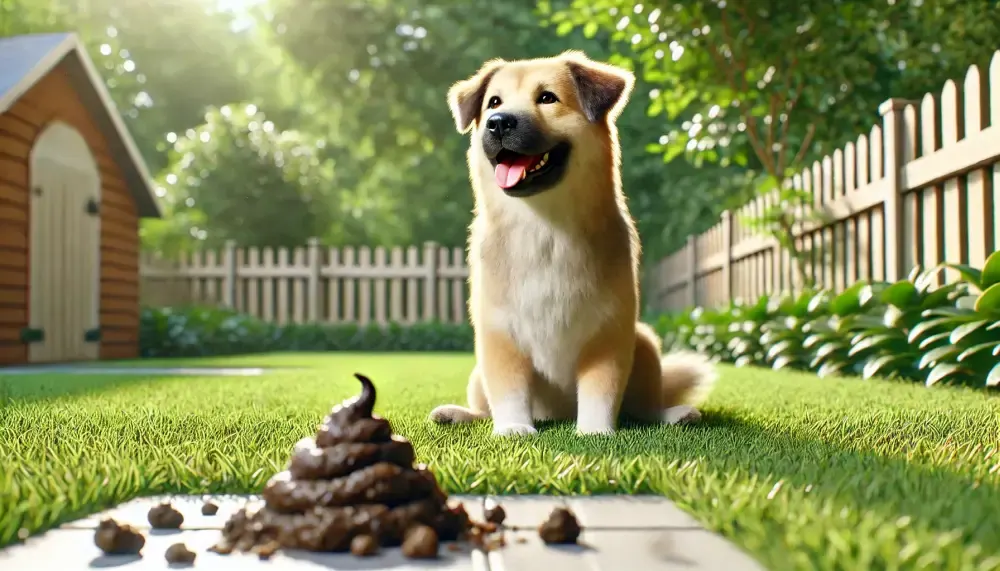
Always clean up after your dog. Not only is it courteous, but it also helps maintain a clean and healthy environment for all park users.
Follow Park Rules
Each dog park may have specific rules and regulations. Be sure to familiarize yourself with these rules and follow them diligently.
Be Considerate
Be mindful of other park users. Respect personal space, avoid crowding other dogs and their owners, and ensure your dog is not causing a nuisance.
Special Considerations
Puppies and Young Dogs
Young puppies might be overwhelmed by the dog park. It’s essential to gradually introduce them to the park and monitor their interactions closely. Puppy-only areas can be beneficial for safe socialization.
Senior Dogs
Senior dogs may not have the energy or desire to engage in vigorous play. Ensure they have a quiet space to relax and keep interactions calm and gentle.
Dogs with Disabilities
If your dog has a disability, ensure they are comfortable and safe. Some parks have specific areas designed for dogs with special needs.
Building Positive Relationships
Positive Reinforcement
Use positive reinforcement to encourage good behavior. Reward your dog with treats or praise when they interact nicely with other dogs.
Socialization Classes
If your dog struggles with socialization, consider enrolling in a socialization class. These classes can provide a controlled environment for your dog to learn appropriate behavior.
Consistent Training
Consistency is key to good behavior. Regularly practice commands and reinforce good behavior both inside and outside the dog park.
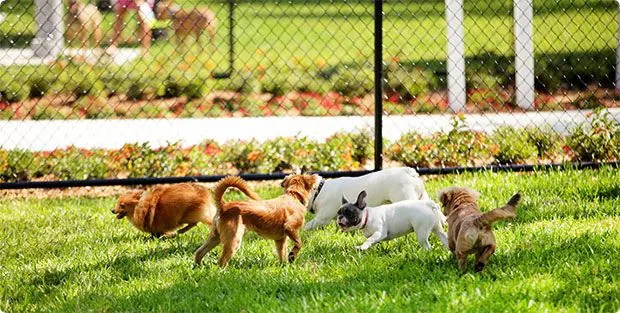
Dog parks are fantastic places for dogs to play and socialize, but they require responsible behavior from both dogs and their owners. By following these dog park etiquette tips, you can ensure a safe, enjoyable, and harmonious experience for everyone. Remember, a well-mannered dog and a considerate owner make the park a pleasant place for all to enjoy.