Rawhide Bones for Dogs: Benefits, Risks, and Alternatives
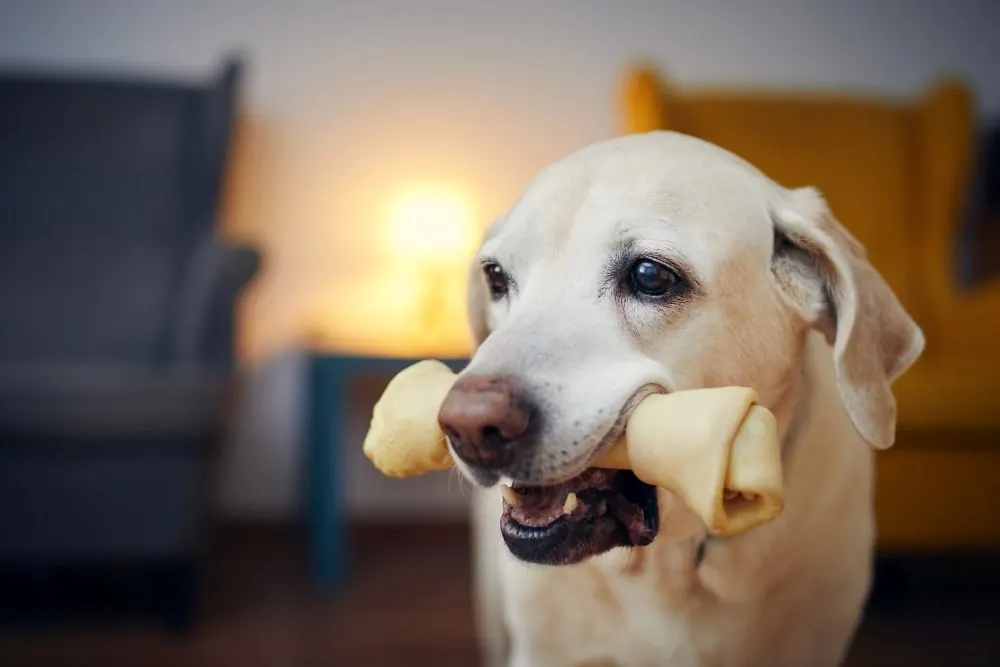
Rawhide bones have long been a popular choice for dog owners looking to provide their pets with something to chew on. These treats are designed to satisfy a dog’s natural instinct to chew while offering potential benefits for dental health. However, there are also concerns about their safety and the potential risks they pose. In this article, we’ll delve into the benefits and risks of rawhide bones for dogs and explore some of the best alternatives available.
As an Amazon Associate, we earn from qualifying purchases.
What Are Rawhide Bones?
Rawhide bones are made from the inner layer of cow or horse hides. The hides are cleaned, cut, and then either ground or used whole to create various shapes and sizes of chews. These chews are then dried and treated to ensure they are safe for dogs to consume. Rawhide bones are marketed as long-lasting chews that can keep dogs entertained and help maintain their dental health.
Benefits of Rawhide Bones for Dogs
- Dental Health:
- Chewing on rawhide bones can help reduce plaque and tartar buildup on a dog’s teeth. The chewing action scrapes away at the teeth, promoting better oral hygiene and potentially reducing the risk of dental issues.
- Mental Stimulation:
- Chewing is a natural behavior for dogs, and it provides mental stimulation. Giving your dog a rawhide bone can keep them occupied and mentally engaged, which is particularly beneficial for preventing boredom-related behaviors.
- Anxiety Relief:
- For some dogs, chewing can serve as a way to relieve anxiety and stress. Providing a rawhide bone can help calm a nervous dog, especially during times of stress such as thunderstorms or fireworks.
- Long-lasting Entertainment:
- Rawhide bones are typically durable and can last a long time, offering extended periods of entertainment for your dog. This is especially useful for keeping dogs busy when you’re not able to engage with them directly.
See top-rated Rawhide Bones on Amazon
For general pet-health questions, the AVMA pet-owner resources are a reliable starting point, and your veterinarian should guide individual decisions.
Risks of Rawhide Bones
- Choking Hazard:
- One of the primary concerns with rawhide bones is the risk of choking. If a dog breaks off a large piece and swallows it, it can become lodged in their throat or digestive tract, leading to potentially serious health issues.
- Digestive Blockages:
- Rawhide bones can expand in a dog’s stomach, causing blockages that may require surgical intervention. This risk is particularly high if a dog swallows large chunks rather than chewing the rawhide thoroughly.
- Contamination:
- Rawhide bones can sometimes be contaminated with harmful bacteria or chemicals used during processing. This contamination can pose a health risk to dogs and may lead to gastrointestinal issues or infections.
- Allergic Reactions:
- Some dogs may have allergies or sensitivities to the ingredients used in rawhide bones. Symptoms can include itching, swelling, and gastrointestinal upset.
Best Alternatives to Rawhide Bones
Given the potential risks associated with rawhide bones, many dog owners are looking for safer alternatives. Here are some of the best options:
- Natural Chews:
- Natural chews such as bully sticks, antlers, and pig ears can be a safer alternative to rawhide. These chews are often more digestible and less likely to cause blockages or choking.
- Dental Chews:
- Specially designed dental chews can help maintain your dog’s oral health without the risks associated with rawhide. These chews are formulated to clean teeth and freshen breath while being safe for digestion.
- Rubber Chew Toys:
- Durable rubber chew toys, like those made by Kong, can provide long-lasting entertainment and mental stimulation. These toys are designed to be tough and can withstand aggressive chewing without breaking apart.
- Vegetable-based Chews:
- Vegetable-based chews, such as those made from sweet potatoes or other safe veggies, offer a healthy and digestible option for dogs who love to chew. These chews are often low in calories and free from harmful chemicals.
- Homemade Chews:
- Making homemade chews can be a great way to control what your dog is consuming. Recipes for dehydrated sweet potatoes, chicken jerky, or frozen yogurt treats can provide safe and enjoyable options for your dog.
Tips for Safe Chewing
Regardless of what type of chew you choose for your dog, it’s important to follow these tips to ensure their safety:
- Supervise Chewing:
- Always supervise your dog while they are chewing to ensure they do not swallow large pieces or choke. This is especially important with new chews that your dog is not used to.
- Choose Appropriate Sizes:
- Select chews that are appropriate for your dog’s size and chewing habits. Smaller dogs need smaller chews, while larger dogs may require more substantial options to avoid choking hazards.
- Inspect Chews Regularly:
- Regularly inspect your dog’s chews for signs of wear and tear. Discard any chews that have become small enough to be swallowed whole or that are breaking apart.
- Introduce New Chews Gradually:
- When introducing a new type of chew, do so gradually and observe your dog’s reaction. This can help you identify any potential allergies or sensitivities early on.
Conclusion
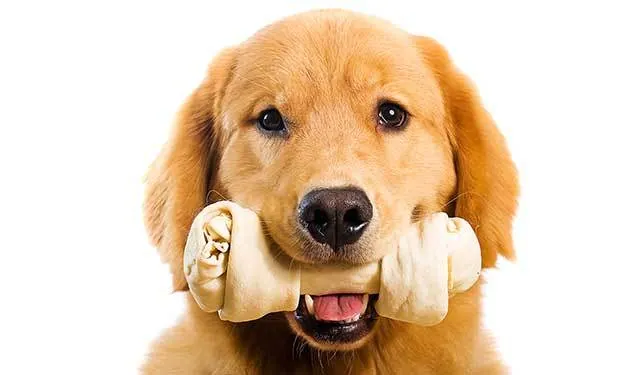
Rawhide bones can offer benefits such as improved dental health and mental stimulation, but they also come with significant risks, including choking hazards and digestive blockages. By understanding these risks and exploring safer alternatives, you can ensure your dog remains happy, healthy, and safe. Whether you opt for natural chews, dental chews, or durable toys, always prioritize your dog’s safety and well-being when selecting chew treats.
Providing your dog with the right chew can enhance their quality of life and strengthen the bond you share. Choose wisely and enjoy the many benefits of a happy, healthy dog.


