Reverse Sneezing in Dogs: Causes, Symptoms, and Treatment
Related reading: Dog Fecal Incontinence: Causes, Symptoms, and Management.
This is general information, not a diagnosis. The Merck Veterinary Manual dog-owner pages are a reliable place to read more before you talk with your veterinarian.
Dogs bring joy and companionship to our lives, but as pet owners, it is crucial to understand their health issues to ensure their well-being. One such condition that can be alarming to witness is reverse sneezing. While it might sound serious, reverse sneezing is often harmless and manageable. This article explains what reverse sneezing is, its causes, symptoms, and treatment options, providing you with a comprehensive understanding to keep your furry friend healthy and happy.
What is Reverse Sneezing?
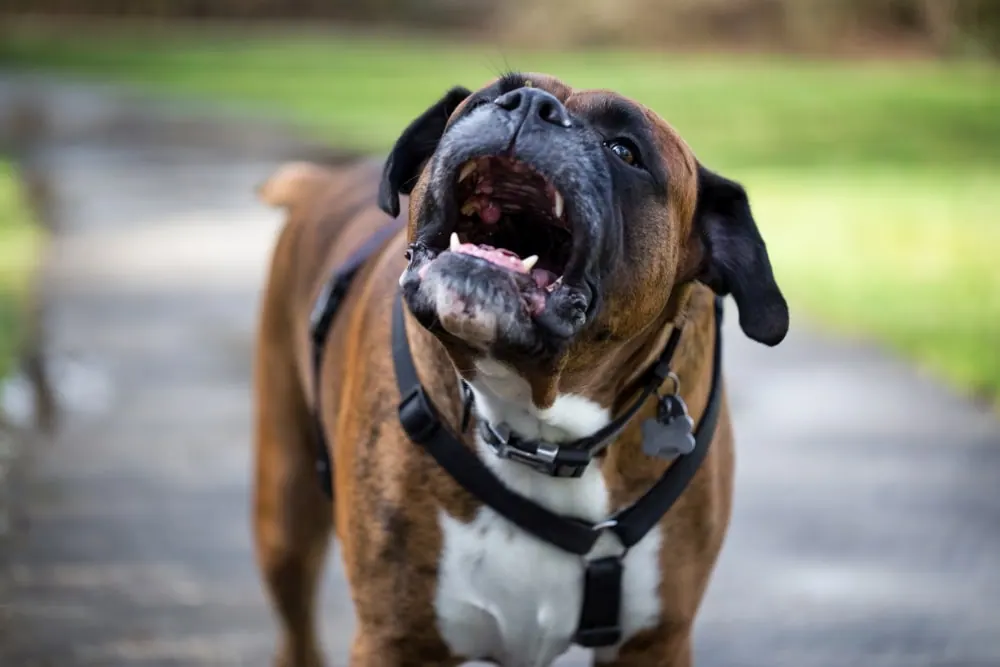
Reverse sneezing, scientifically known as paroxysmal respiration, is a condition where a dog rapidly pulls air into its nose instead of expelling it out, resulting in a distinctive snorting sound. Unlike regular sneezing, which expels irritants from the nasal passages, reverse sneezing occurs when something triggers a spasm in the throat and soft palate.
If you’re unfamiliar with reverse sneezing in dogs, this what it sounds and looks like:
https://www.youtube.com/watch?v=CXDledRQ7y4
Causes of Reverse Sneezing in Dogs
Several factors can lead to reverse sneezing in dogs. Understanding these causes can help in managing and preventing episodes.
- Irritants and Allergens:
- Environmental Irritants: Dust, pollen, smoke, and strong odors can trigger reverse sneezing.
- Allergic Reactions: Dogs can be allergic to various substances, including certain foods, pollens, and household chemicals.
- Nasal and Sinus Infections:
- Upper Respiratory Infections: Bacterial or viral infections can cause inflammation in the nasal passages, leading to reverse sneezing.
- Sinusitis: Inflammation of the sinuses can also be a culprit.
- Anatomical Factors:
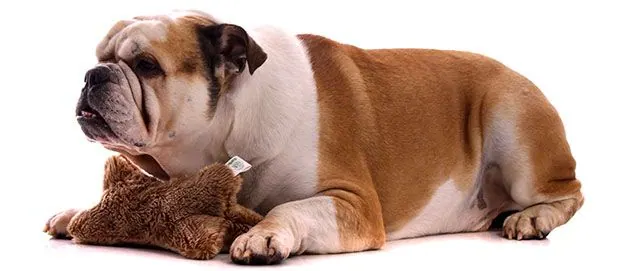
- Brachycephalic Breeds: Dogs with short noses and flat faces, such as Bulldogs and Pugs, are more prone to reverse sneezing due to their anatomical structure.
- Nasal Mites: These tiny parasites can irritate the nasal passages, causing reverse sneezing.
- Excitement and Activity:
- Exercise: Intense physical activity can sometimes trigger reverse sneezing.
- Excitement or Stress: Sudden excitement or stress can lead to episodes.
- Foreign Objects:
- Foreign Bodies: Small objects or particles lodged in the nasal passages can cause irritation and reverse sneezing.
Symptoms of Reverse Sneezing
Recognizing the symptoms of reverse sneezing is essential for differentiating it from other respiratory issues.
- Snorting Sound: The most characteristic symptom is a loud, rapid snorting sound as the dog forcefully inhales.
- Extended Neck: Dogs often extend their necks and stand still during an episode.
- Noisy Breathing: The breathing might sound labored, but it usually resolves quickly.
- Coughing or Gagging: Some dogs might exhibit mild coughing or gagging after an episode.
Diagnosis
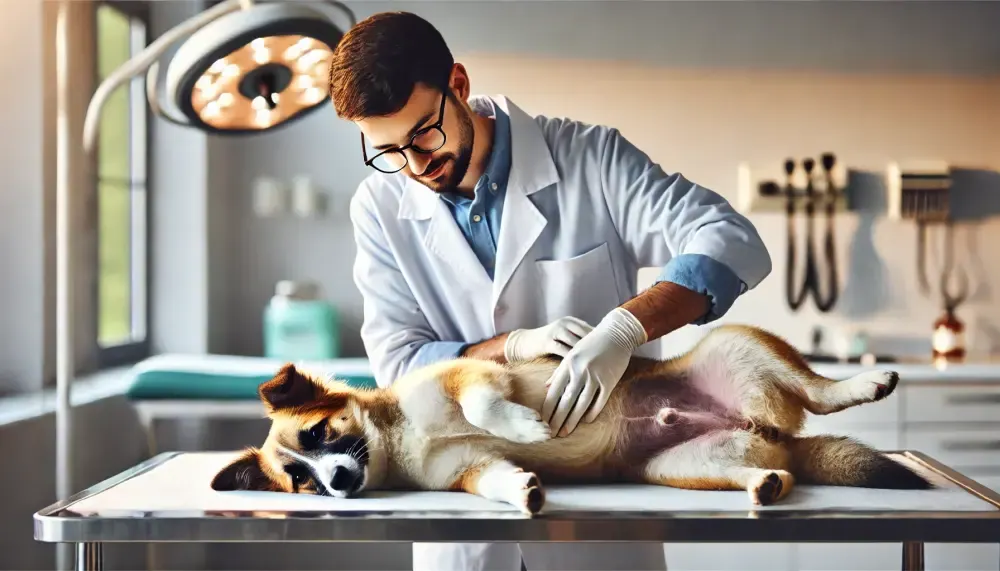
Diagnosing reverse sneezing typically involves observing the dog’s behavior and ruling out other potential causes of respiratory distress. If episodes are frequent or severe, a visit to the veterinarian is advisable. The vet might perform a physical examination, review the dog’s medical history, and possibly conduct tests such as:
- Nasal Swabs: To check for infections or nasal mites.
- X-rays or Endoscopy: To examine the nasal passages and throat for foreign objects or abnormalities.
Treatment and Management
While reverse sneezing is generally harmless and often resolves on its own, there are several ways to manage and reduce the frequency of episodes.
- Environmental Control:
- Reduce Irritants: Keep the dog’s environment free from smoke, dust, and strong odors.
- Air Purifiers: Using air purifiers can help reduce airborne allergens.
- Allergy Management:
- Allergy Testing: Identifying specific allergens can help in managing allergies through avoidance or medication.
- Antihistamines: In some cases, vets may prescribe antihistamines to manage allergic reactions.
- Regular Cleaning:
- Nasal Hygiene: Regularly clean the dog’s nose to remove any irritants.
- Grooming: Regular grooming can help reduce exposure to allergens.
- Handling Episodes:
- Gentle Massage: Massaging the dog’s throat gently can help stop the spasm.
- Covering Nostrils: Briefly covering the dog’s nostrils can make them swallow, which might stop the reverse sneezing.
- Calm Environment: Keep the dog calm and avoid situations that trigger excitement or stress.
- Medical Intervention:
- Medication: In severe cases, vets might prescribe anti-inflammatory or antispasmodic medications.
- Surgery: Rarely, surgery might be needed for anatomical abnormalities.
Prevention Tips
Preventing reverse sneezing involves minimizing exposure to known triggers and maintaining overall respiratory health.
- Avoid Smoke and Strong Odors: Keep the dog away from smoke, perfumes, and household cleaners.
- Regular Vet Check-ups: Regular veterinary visits can help detect and manage underlying health issues.
- Healthy Diet: A balanced diet supports the immune system and reduces the likelihood of allergies.
- Hydration: Ensure the dog has access to fresh water to keep the respiratory tract moist.
When to See a Vet
While reverse sneezing is usually not a cause for concern, certain situations warrant a veterinary consultation:
- Frequent Episodes: If the episodes become frequent or prolonged, it’s important to seek veterinary advice.
- Difficulty Breathing: If the dog shows signs of severe respiratory distress, such as blue gums or collapse.
- Other Symptoms: If reverse sneezing is accompanied by nasal discharge, coughing, or lethargy, it could indicate an underlying condition that needs attention.
Reverse sneezing in dogs, though alarming, is often a benign condition. By understanding its causes, symptoms, and treatment options, pet owners can effectively manage and reduce the frequency of episodes. Ensuring a clean environment, managing allergies, and regular veterinary check-ups are key to keeping your dog healthy and comfortable. If in doubt, always consult with a veterinarian to ensure the best care for your furry friend.
Reverse sneezing should not diminish the joy and companionship that dogs bring to our lives. With proper knowledge and care, you can help your pet navigate this condition with ease and continue enjoying your time together.