Sebaceous Adenomas on Dogs: Understanding and Managing These Common Skin Growths
Related reading: Dog Conditioner for Dry Skin: Grooming Help, Not a Treatment.
For general pet-health questions, the AVMA pet-owner resources are a reliable starting point, and your veterinarian should guide individual decisions.
Sebaceous adenomas are common non-cancerous skin tumors found in dogs. While the word “tumor” may sound alarming to pet owners, sebaceous adenomas are generally benign and pose no significant health risks. Recognizing the characteristics of these growths and understanding their treatment options can help ensure your dog remains healthy and comfortable. In this article, we’ll explore what sebaceous adenomas are, how they develop, and what steps to take if your dog is affected.
What Are Sebaceous Adenomas?
Sebaceous adenomas are benign tumors that arise from the sebaceous glands in a dog’s skin. These glands are responsible for producing sebum, an oily substance that helps keep your dog’s skin and coat moisturized. When sebaceous gland cells proliferate abnormally, they form a small, raised mass on the surface of the skin, known as a sebaceous adenoma.
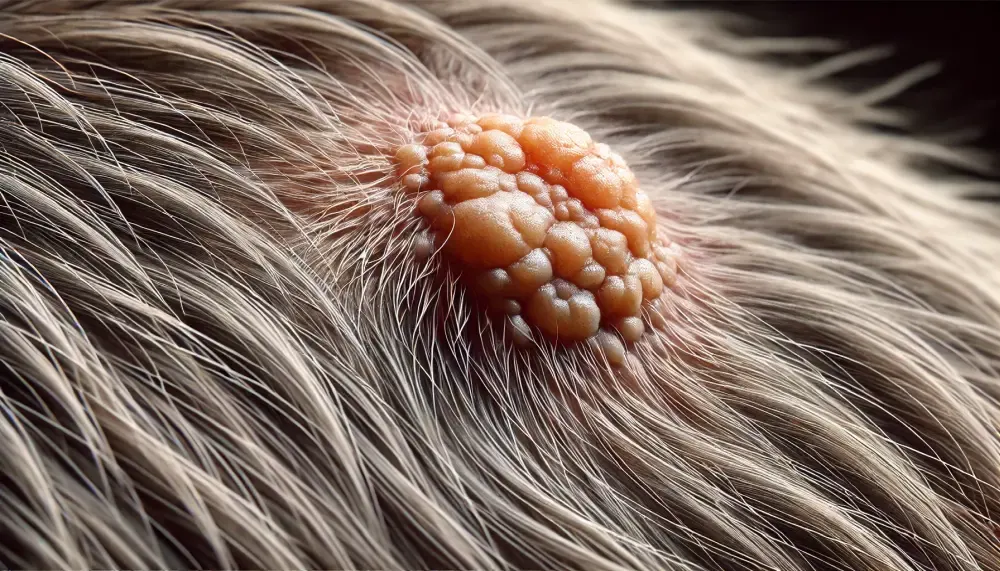
These growths are typically small, firm, and often have a wart-like appearance. They can vary in color, from pinkish or flesh-toned to darker hues, depending on the dog’s skin and fur color. Sebaceous adenomas are more common in older dogs, but they can occur in younger animals as well.
Signs and Symptoms of Sebaceous Adenomas in Dogs
Sebaceous adenomas are often found incidentally during regular grooming or petting sessions. Some key signs to watch for include:
- Small, raised bumps on the skin: These bumps are usually firm and range in size from a few millimeters to a centimeter in diameter.
- Wart-like appearance: Sebaceous adenomas often resemble small warts, with a rough or smooth surface.
- No pain or discomfort: Most sebaceous adenomas do not cause pain or irritation unless they become infected or are located in areas prone to friction.
- Multiple growths: In some cases, dogs may develop more than one sebaceous adenoma, especially as they age.
- Crusting or bleeding: While uncommon, some adenomas can become irritated, especially if the dog licks or scratches them. This can cause the growth to bleed or become crusty.
It’s important to differentiate sebaceous adenomas from other types of skin tumors, such as sebaceous gland carcinomas, which are cancerous and require more aggressive treatment. If you notice any unusual skin growths on your dog, a veterinary examination is recommended to confirm the diagnosis.
Causes of Sebaceous Adenomas in Dogs
The exact cause of sebaceous adenomas is not fully understood, but several factors may contribute to their development:
- Age: Sebaceous adenomas are more common in older dogs, likely due to age-related changes in skin and gland function.
- Breed predisposition: Certain breeds, such as Cocker Spaniels, Poodles, and Beagles, are more prone to developing sebaceous adenomas.
- Genetics: A hereditary component may play a role in the development of sebaceous adenomas, particularly in predisposed breeds.
- Hormonal changes: Changes in hormone levels, particularly in older dogs, may influence the development of sebaceous adenomas.
Diagnosis of Sebaceous Adenomas
A veterinary diagnosis is essential to determine whether a growth on your dog’s skin is a sebaceous adenoma or another type of tumor. The veterinarian will typically perform a physical examination and may recommend additional diagnostic tests, such as:
- Fine-needle aspiration: This involves using a small needle to collect cells from the growth for examination under a microscope.
- Biopsy: In some cases, a small tissue sample may be removed and analyzed to confirm the diagnosis.
- Histopathology: This test helps rule out more serious conditions, such as sebaceous gland carcinomas or other malignant tumors.
Once a sebaceous adenoma is diagnosed, your veterinarian will discuss treatment options with you based on the size, location, and condition of the growth.
Treatment Options for Sebaceous Adenomas in Dogs
In many cases, sebaceous adenomas do not require treatment and can be left alone if they are not causing discomfort or irritation. However, if the growth becomes problematic, several treatment options are available:
- Surgical removal: If the adenoma is in an area where it gets irritated or if it becomes infected, surgical removal may be recommended. This is a relatively simple procedure, often performed under local anesthesia, depending on the size and location of the tumor.
- Cryotherapy: Cryotherapy involves freezing the growth with liquid nitrogen, causing the adenoma to shrink and fall off over time. This treatment is minimally invasive and often used for smaller tumors.
- Laser therapy: Some veterinarians offer laser therapy to remove sebaceous adenomas. This method uses focused light energy to vaporize the tumor, with minimal damage to surrounding tissues.
It’s important to monitor the area after treatment for any signs of infection, such as redness, swelling, or discharge. Your veterinarian will provide aftercare instructions to ensure proper healing.
When to Be Concerned
While sebaceous adenomas are typically benign and do not pose significant health risks, there are certain situations where veterinary attention is needed:
- Rapid growth: If a sebaceous adenoma grows rapidly or changes in appearance, it’s important to consult your veterinarian to rule out malignancy.
- Infection: If the growth becomes infected due to scratching or licking, it may require antibiotic treatment.
- Discomfort or irritation: If the adenoma is located in an area where it causes discomfort, such as on a paw or near the eyes, removal may be necessary for your dog’s comfort.
Preventing Sebaceous Adenomas in Dogs
While sebaceous adenomas cannot be entirely prevented, maintaining good skin and coat care can help reduce the likelihood of developing skin issues. Regular grooming, a balanced diet, and routine veterinary check-ups are essential for keeping your dog’s skin healthy. Additionally, keeping an eye on any changes in your dog’s skin or coat can help catch any potential issues early.
Sebaceous adenomas are a common and benign skin condition in dogs, particularly as they age. While these growths are generally harmless, it’s important to monitor them for any changes and seek veterinary advice if needed. Understanding the nature of sebaceous adenomas and knowing the available treatment options can help you keep your furry friend healthy and comfortable throughout their life.


