Dog Grooming Tips: Comfort and Coat Care, Not a Product Stack or At-Home Sedation
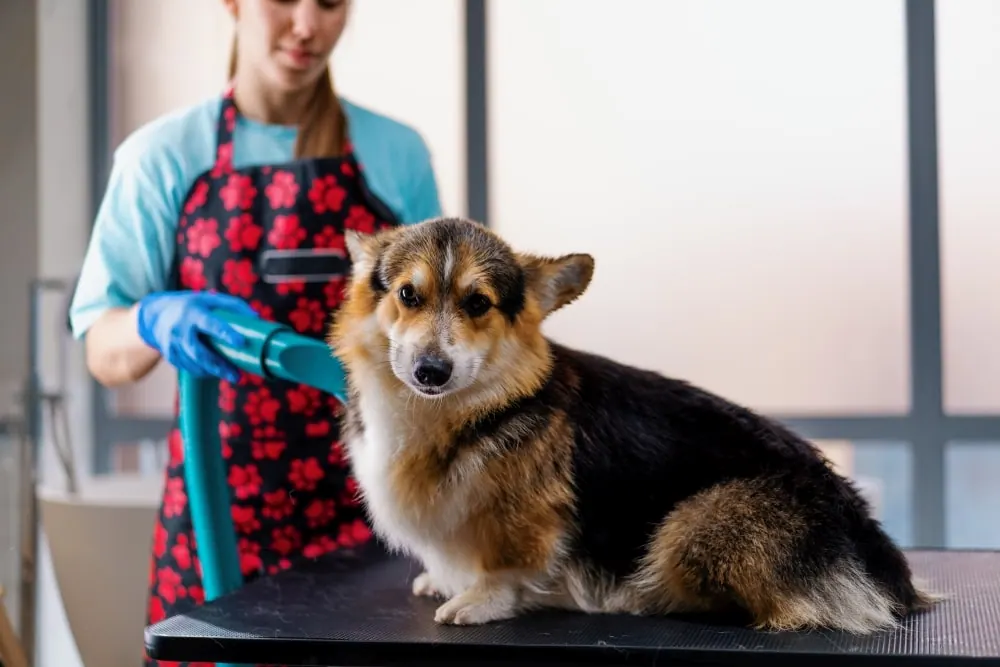
Routine grooming is about comfort and health, not a show clip. Brushing, nail care, ear checks, and a bath when the dog is actually dirty go further than a complicated product stack. Use pet-safe shampoo, keep water and cleaner out of the eyes and ear canals unless your veterinarian has a specific plan, and stop if the dog is frightened or in pain. Matted coats may need a professional groomer or a veterinary clip, not a home battle with scissors next to the skin.
For general pet-health questions, the AVMA pet-owner resources are a reliable starting point, and your veterinarian should guide individual decisions.
Short-nosed breeds, seniors, and dogs with skin disease may need a gentler routine. A comfortable bed after a long session and a calm best lick mats or short play break can help the dog reset. Never sedate a dog at home for a cosmetic groom.
As an Amazon Associate, we earn from qualifying purchases.
Dog grooming is not only essential for keeping your pet looking sharp—it’s also vital for their health and well-being. A well-groomed dog is a happy dog, and regular grooming sessions can prevent a host of health issues, promote bonding, and keep your pet comfortable. Whether you’re a seasoned dog owner or new to the world of pet care, understanding the basics of grooming is key. This guide will walk you through everything you need to know about dog grooming, from the tools you’ll need to the techniques that ensure a safe and enjoyable experience for both you and your furry friend.
1. Understanding the Basics of Dog Grooming
Before diving into the specifics, it’s important to grasp why grooming is so crucial. Regular grooming helps to remove dead skin and hair, stimulate new hair growth, and distribute natural oils across your dog’s coat, keeping it healthy and shiny. It also provides an opportunity to check for any abnormalities like lumps, infections, or parasites.
2. Gather the Right Tools
The right tools make all the difference in grooming. Here’s a basic list to get you started:
- Brushes and Combs: Depending on your dog’s coat type, you might need several types, such as a slicker brush, a pin brush, or a de-shedding tool.
- Shampoo and Conditioner: Use products specifically formulated for dogs. Consider your dog’s skin type—sensitive, dry, or oily—when choosing products.
- Clippers and Scissors: Essential for dogs with long hair that needs regular trimming.
- Nail Clippers or Grinders: Keeping nails short is crucial for your dog’s foot health and comfort.
- Ear Cleaning Solutions and Cotton Balls: Regular ear cleaning is important, especially for dogs with floppy ears.
See top-rated dog grooming kit on Amazon
3. Brushing Techniques
Regular brushing is one of the simplest yet most beneficial aspects of dog grooming. It helps to prevent matting, especially in long-haired breeds. Brushing sessions vary by coat type:
- Short-haired dogs might only need brushing once a week.
- Medium to long-haired dogs typically require more frequent brushing to prevent tangles and mats.
- Curly-haired dogs like Poodles could need daily brushing to maintain their coat’s texture and health.
4. Bathing Your Dog
Bathing is a cornerstone of good grooming but doing it too frequently can strip away essential oils from the skin and lead to dryness and irritation. As a general rule, bathe your dog at least once every three months, but this can vary based on their activity level and breed. Always use lukewarm water and dog-specific shampoo, and be sure to rinse thoroughly to avoid residue that can cause irritation.
5. Nail Care
Nail trimming is a task that many pet owners (and pets) dread, but it’s essential for maintaining your dog’s paw health. Untrimmed nails can cause pain and lead to problems walking. If you can hear your dog’s nails clicking on the floor, they’re too long. For beginners, consider having a professional show you the proper technique, as cutting too close to the quick (the blood vessel in the nail) can cause bleeding and discomfort.
6. Ear Care
Keeping your dog’s ears clean is critical, especially for breeds prone to ear infections. Check and clean them weekly using a vet-approved ear cleaner and cotton balls. Never insert anything into the ear canal; simply clean the outer ear.
7. Hair Trimming
For breeds with fast-growing or long hair, regular trimming is necessary to avoid matting and maintain cleanliness. If you’re new to this, start with simple trims and consider professional grooming services for more complicated cuts.
8. Dental Care
Often overlooked in grooming, dental care is vital for overall health. Regular brushing of your dog’s teeth can prevent gum disease and tooth decay. Introduce dental care gradually and use toothpaste specially formulated for dogs.
9. Professional Grooming Services
While many aspects of grooming can be done at home, professional groomers offer advanced services like hair cutting, specialty styles, and even spa treatments. Regular visits can complement your at-home grooming routine, particularly for those with complex grooming needs.
10. Creating a Positive Experience
When grooming, it’s important to make the process as enjoyable as possible for your dog. Start with shorter sessions and gradually increase the length as your dog becomes more comfortable with the routine. Always approach grooming sessions when your dog is calm, perhaps after a meal or a play session.
Use treats to reward your dog immediately after performing tasks they may not enjoy, like nail trimming or ear cleaning. This positive reinforcement helps them associate grooming with good things, easing anxiety over time.
11. Handling Sensitive Areas
Grooming sensitive areas such as the face, ears, and around the tail requires extra care. Dogs are often uneasy when these parts are touched, so it’s crucial to approach grooming these areas gently and patiently. Use soft brushes and combs to avoid irritation and reassure your dog with a calm voice and gentle touch. It’s often helpful to introduce these practices slowly over time so your dog can get accustomed to the sensation.
12. Dealing with Matting
Matting can be a serious issue, especially in long-haired breeds. Mats can pull on the skin and cause discomfort, or even lead to skin infections. Regular brushing and combing can prevent most matting, but if you do find mats, address them immediately. For minor matting, use a mat splitter or a detangling spray. In severe cases, it may be necessary to carefully cut the mat out with scissors, taking care not to nick the skin.
13. Seasonal Grooming Adjustments
Your dog’s grooming needs can change with the seasons. For instance, more frequent brushing may be necessary during the shedding season to help manage excess hair. In winter, you might need to pay more attention to paw care due to cold weather and potentially harmful substances like road salt. Consider using dog booties for protection and moisturizing paw balm to prevent cracks and dryness.
14. Recognizing Skin Problems
While grooming, it’s also an opportunity to check for any signs of skin issues such as redness, flakes, or unusual bumps. Early detection and treatment of skin problems can prevent them from escalating into more serious conditions. Consult your veterinarian if you notice anything unusual, such as excessive scratching, bald patches, or bad skin odor.
15. Grooming as Health Monitoring
Beyond keeping your dog looking good, grooming sessions are an excellent time to conduct routine health checks. Look for signs of fleas, ticks, or other parasites. Regular ear checks can help you catch signs of ear infections early. Also, keep an eye on your dog’s nails, eyes, teeth, and pads, looking for any changes that might need a vet’s attention.
16. DIY vs. Professional Grooming
Deciding between DIY grooming and professional help can depend on several factors, including your dog’s breed, your comfort level, and your dog’s tolerance. While basic grooming is completely manageable at home, professional groomers can handle more complex tasks like specific breed cuts or safely extracting anal glands, which are best left to professionals.
17. Preparing for Grooming Sessions
Preparation can make grooming sessions go smoothly. Have all your tools at hand before you begin, and ensure your grooming area is quiet and safe, away from distractions. This helps in creating a calm environment for your dog. If you’re grooming your dog after a walk when they are naturally calmer, it can make the process easier.
18. Training for Grooming
For puppies, start grooming early to get them used to the process. Even a few minutes of brushing a day can help them become comfortable with being handled. For older dogs who aren’t used to grooming, gradual desensitization can help. Start with short sessions focusing on less sensitive areas and gradually increase the complexity and duration of the grooming as your dog becomes more comfortable.
19. Rewarding Good Behavior
Positive reinforcement is key in grooming as in all areas of dog training. Reward your dog with treats and affection for staying calm and cooperative during grooming sessions. This can help build a positive association with grooming over time, making future sessions easier.
20. The Importance of Regularity
Finally, consistency is crucial. Establishing a regular grooming routine helps your dog know what to expect and reduces anxiety. Regular grooming not only keeps your dog looking and feeling good but also fortifies the bond between you and your pet, making it a nurturing routine that benefits both.
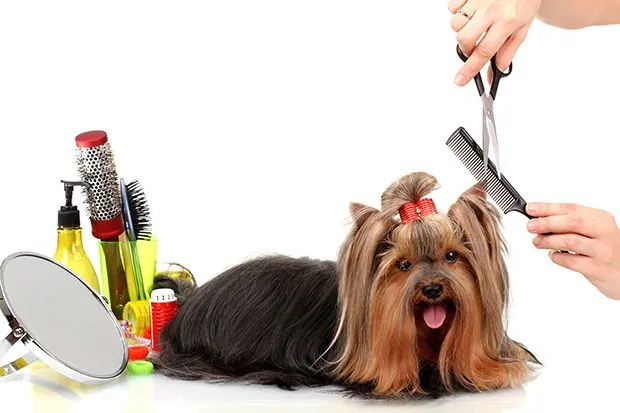
By following these dog grooming tips, you’ll be well on your way to ensuring that your dog maintains a healthy, clean, and happy life. Regular grooming is more than just a beauty routine; it’s an essential part of caring for your pet’s overall health and well-being.
If you need help choosing a slicker or an undercoat tool, our dog grooming brushes guide matches the tool to coat type and size.
Nail care is a separate job from brushing. Our dog nail grinders guide covers grinders and a clipper option, with a conservative approach to the quick.