The Toxic Danger of Onions: Preventing Poisoning in Dogs
We earn from qualifying Amazon purchases. It doesn't change what we recommend.
If you are unsure whether a food is safe, the ASPCA’s list of people foods to avoid feeding pets is a reliable starting point, and a veterinarian or poison-control professional should be called if a pet already ate something questionable.
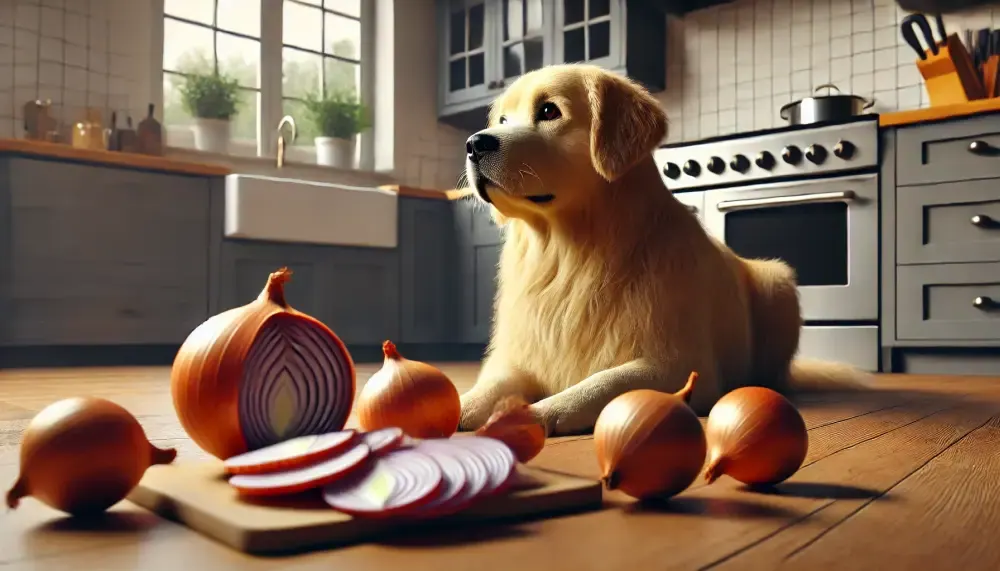
Onions are a staple ingredient in kitchens worldwide, but did you know that onions can be highly toxic to your dog? Many dog owners are unaware of the dangers that onions and other members of the Allium family, such as garlic and leeks, pose to their furry friends. Even small amounts of onions can lead to severe health complications, making it crucial to keep them away from your dog’s diet.
This article explores the toxic properties of onions, the symptoms of onion poisoning in dogs, and effective ways to prevent this potentially life-threatening situation.
Why Are Onions Toxic to Dogs?
Onions contain compounds known as thiosulfates, which are harmless to humans but can cause serious harm to dogs. When a dog consumes onions, these compounds damage their red blood cells, leading to a condition known as hemolytic anemia. This means the red blood cells are destroyed faster than the body can produce new ones, resulting in decreased oxygen flow to vital organs.
All parts of the onion—whether raw, cooked, or even in powdered form—are dangerous for dogs. This includes onion powder found in processed foods, sauces, and gravies, which can be even more concentrated and toxic than fresh onions.
Symptoms of Onion Poisoning in Dogs
If your dog has ingested onions, symptoms of poisoning may not appear immediately. It can take up to several days for symptoms to become noticeable. Here are some signs to watch for:
- Weakness and Lethargy: As the dog’s red blood cells are destroyed, they may become unusually tired or weak, struggling to perform normal activities.
- Vomiting and Diarrhea: Gastrointestinal upset is common in dogs that have consumed toxic substances, including onions.
- Breathing Difficulties: Anemia caused by onion poisoning can lead to labored or rapid breathing.
- Pale Gums: A telltale sign of anemia is pale or yellow-tinged gums.
- Increased Heart Rate: In response to decreased oxygen levels, a dog’s heart may work harder, resulting in a rapid pulse.
- Fainting or Collapse: Severe cases of onion poisoning may lead to collapse or fainting due to a lack of oxygen reaching vital organs.
If you observe any of these symptoms, contact your veterinarian immediately. Onion poisoning is a serious condition that requires prompt medical attention.
How Much Onion is Toxic to Dogs?
The toxicity of onions depends on the size of the dog and the amount consumed. Even a small amount can be harmful, especially if consumed regularly over time. As a general rule, eating more than 0.5% of a dog’s body weight in onions is considered toxic. For example, a 10 kg (22 lb) dog would be at risk after consuming just 50 grams (1.75 oz) of onion—less than half an onion.
While onion toxicity often results from direct consumption, it can also occur from eating foods seasoned with onion powder, which is commonly found in pre-packaged and restaurant foods. Be extra cautious when sharing table scraps or leftovers with your pet, as many human foods contain hidden onion ingredients.
What to Do if Your Dog Eats Onions
If you suspect your dog has ingested onions, it is essential to act quickly. The sooner you address the situation, the better the chances of a full recovery. Here’s what you should do:
- Remove Access to Onions: Ensure your dog no longer has access to any onion-containing foods or plants.
- Call Your Veterinarian: Contact your vet or an emergency animal clinic immediately. They will ask questions about the type and amount of onion consumed and may provide you with immediate steps to take.
- Induce Vomiting (if Instructed): In some cases, the vet may advise inducing vomiting to prevent further absorption of the toxin. However, do not attempt this without professional guidance, as it can be dangerous if done incorrectly.
- Provide Supportive Care: Depending on the severity of the poisoning, your vet may recommend hospitalization, fluid therapy, or a blood transfusion in severe cases of anemia.

Preventing Onion Poisoning in Dogs
Prevention is always the best strategy when it comes to protecting your dog from onion toxicity. Follow these tips to keep your dog safe:
- Keep Onions Out of Reach: Store onions, garlic, and other toxic foods in secure cabinets or high places that your dog cannot access.
- Check Ingredients in Human Foods: Before feeding your dog any human food, check the ingredient list for onion or garlic powder, as these are common in many dishes.
- Avoid Table Scraps: While it can be tempting to share food with your dog, avoid giving them table scraps, especially if you are unsure of the ingredients used.
- Educate Family and Friends: Ensure everyone in your household or anyone who watches your dog knows the dangers of onions and avoids feeding them onion-containing foods.
- Provide Dog-Safe Treats: Stick to healthy treats specifically designed for dogs, which are free of toxic ingredients and are formulated to meet their nutritional needs.
Safe Alternatives to Onions for Dogs
If you like to cook for your dog or give them homemade treats, there are plenty of dog-safe ingredients you can use instead of onions. Vegetables like carrots, green beans, and sweet potatoes are not only safe but also nutritious for dogs. These vegetables can add flavor and texture to your dog’s food without the risk of toxicity.
You can also find commercial dog foods and treats made with natural, dog-friendly ingredients. Just be sure to read labels carefully to ensure they are free of any harmful additives.
Summary
The danger of onions to dogs is often underestimated, but it is essential to be aware of the serious risks they pose. Onion poisoning can lead to severe health complications and even death if not treated promptly. By understanding the toxic effects of onions, recognizing the symptoms of poisoning, and taking preventive measures, you can ensure your dog stays safe and healthy.
Remember, when in doubt, always consult with your veterinarian about what is safe for your dog to eat. Your pet’s health and well-being are worth the extra precaution!