Dogs and Garlic: Is it Safe?
We earn from qualifying Amazon purchases. It doesn't change what we recommend.
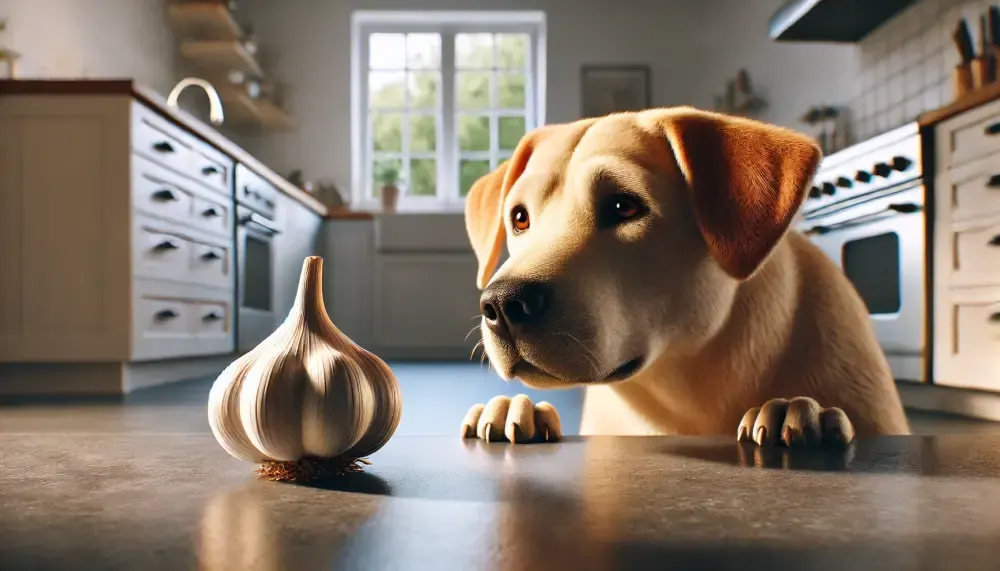
If you are unsure whether a food is safe, the ASPCA’s list of people foods to avoid feeding pets is a reliable starting point, and a veterinarian or poison-control professional should be called if a pet already ate something questionable.
Garlic is a staple in many kitchens around the world, adding flavor and depth to countless dishes. However, while it may be a culinary favorite for humans, garlic can pose serious health risks to our furry companions. In this article, we will explore the effects of garlic on dogs, whether it’s ever safe for them to consume, and how to keep your pet safe from potential garlic toxicity.
Why Garlic is Harmful to Dogs
Garlic belongs to the Allium family, which also includes onions, leeks, and chives. These vegetables contain compounds called thiosulfates, which can be toxic to dogs when ingested in significant amounts. The primary danger of garlic lies in its ability to damage red blood cells, leading to a condition known as hemolytic anemia. This disorder can prevent your dog’s blood from properly delivering oxygen throughout its body, resulting in serious health complications.
Even small amounts of garlic can cause mild symptoms in dogs, but larger quantities can lead to more severe conditions that require immediate veterinary attention.
Symptoms of Garlic Toxicity in Dogs
Garlic toxicity can manifest in dogs within a few hours to several days after ingestion. It is crucial for dog owners to be aware of the symptoms to act promptly. The most common signs of garlic poisoning in dogs include:
- Vomiting
- Diarrhea
- Abdominal pain
- Lethargy
- Pale or yellow-tinged gums
- Increased heart rate
- Weakness or collapse
- Discolored urine
In severe cases, garlic toxicity can result in life-threatening anemia, requiring blood transfusions and intensive care. If your dog displays any of these symptoms, it’s essential to seek veterinary help as soon as possible.
How Much Garlic is Dangerous for Dogs?
The level of garlic toxicity depends on the size of the dog and the amount consumed. Generally, garlic is more toxic to dogs than onions, and the effects are cumulative, meaning that even small doses over time can be harmful. Studies suggest that a toxic dose of garlic is around 15-30 grams per kilogram of body weight. This means that even a single clove of garlic can be enough to cause problems in small dogs.
For larger dogs, while the risk is lower, it’s still important to avoid any garlic in their diet. Keep in mind that garlic powders, garlic salts, and other processed forms of garlic may contain concentrated amounts, making them even more dangerous.
Accidental Garlic Ingestion: What Should You Do?
If your dog accidentally consumes garlic, take the following steps to ensure their safety:
- Assess the Situation: Determine how much garlic your dog consumed and how long ago. This information will help your veterinarian provide the best care.
- Call Your Veterinarian: Contact your veterinarian immediately if your dog has eaten garlic. They may ask you to induce vomiting if the garlic was consumed recently, or they may suggest bringing the dog in for evaluation.
- Monitor for Symptoms: Watch for any signs of garlic toxicity, such as vomiting, diarrhea, or weakness, especially if you’re unsure of the amount your dog consumed. Early detection of symptoms can prevent further complications.
- Prevent Future Incidents: Make sure all garlic-containing foods are stored out of reach of your dog. This includes cooked dishes, garlic supplements, and seasonings that might contain garlic powder.
Are Garlic Supplements Safe for Dogs?
Some pet owners may come across garlic supplements marketed as natural flea and tick repellents for dogs. While garlic may have some potential insect-repellent properties, the risk of garlic toxicity outweighs the benefits. Many veterinarians advise against using garlic supplements because even these products can expose your dog to harmful thiosulfates over time.
There are safer and more effective flea and tick prevention methods available, including vet-recommended topical treatments and oral medications. It’s always best to consult your vet before introducing any new supplement to your dog’s diet.
Alternatives to Garlic for Dogs
If you’re looking for ways to add flavor or health benefits to your dog’s diet without the risk of garlic toxicity, there are plenty of dog-friendly alternatives to consider:
- Parsley: Parsley is not only safe for dogs but also helps freshen their breath.
- Coconut Oil: This oil can be added to your dog’s food for a boost of healthy fats.
- Pumpkin: Rich in fiber and nutrients, pumpkin is excellent for dogs with sensitive stomachs.
- Turmeric: Known for its anti-inflammatory properties, turmeric can be a safe addition to your dog’s meals in small quantities.
Keeping Your Dog Safe from Harmful Foods
Garlic is just one of many human foods that can be toxic to dogs. Other common ingredients that pose risks include:
Being mindful of what your dog eats and keeping harmful foods out of their reach is essential for maintaining their overall health and well-being. When in doubt, always consult your veterinarian before giving your dog any new foods.
Avoiding Garlic in Your Dog’s Diet
While garlic might be a delicious and healthful addition to human meals, it can have serious health consequences for dogs. Garlic toxicity can lead to conditions like hemolytic anemia, which can be life-threatening if not treated promptly. To protect your dog, it’s best to avoid feeding them any garlic, whether raw, cooked, or in supplement form.
If you suspect your dog has ingested garlic, don’t hesitate to reach out to your veterinarian. By staying informed and vigilant, you can ensure your furry companion stays safe and healthy for years to come.


