Xylitol and Dogs: The Sweet Poison You Must Avoid
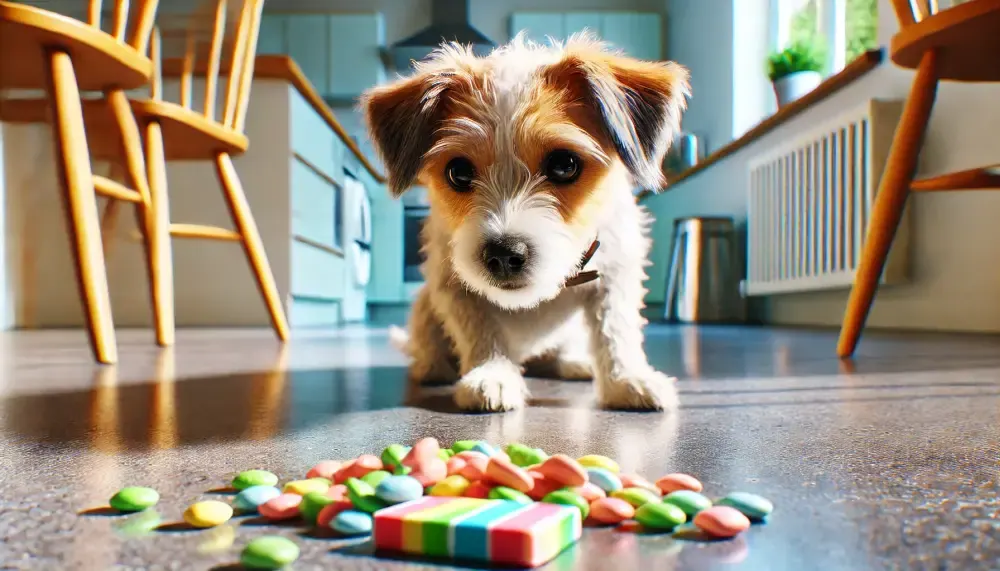
If you are unsure whether a food is safe, the ASPCA’s list of people foods to avoid feeding pets is a reliable starting point, and a veterinarian or poison-control professional should be called if a pet already ate something questionable.
Dogs are known for their curious nature and tendency to explore the world with their mouths. But sometimes, this curiosity can lead to dangerous situations, especially when it comes to certain foods. One of the most lethal substances your dog could encounter is xylitol, a common sugar substitute found in various products.
While xylitol is safe for humans, it poses a severe risk to dogs, causing potentially life-threatening conditions. This article will explore the dangers of xylitol for dogs and what steps you can take to keep your pet safe.
What is Xylitol?
Xylitol is a sugar alcohol used as a sweetener in many everyday products. It is popular because it provides sweetness similar to sugar but with fewer calories, making it a common ingredient in sugar-free gums, candies, toothpaste, and even some baked goods. Additionally, xylitol has dental benefits for humans, as it can help reduce the risk of cavities.
Unfortunately, what makes xylitol appealing for humans—its ability to reduce sugar intake—makes it extremely dangerous for dogs.
Why is Xylitol Dangerous for Dogs?
In dogs, xylitol is absorbed quickly into the bloodstream, leading to a sudden and severe drop in blood sugar, a condition known as hypoglycemia. Even small amounts of xylitol can trigger hypoglycemia, resulting in symptoms such as:
- Vomiting
- Lethargy
- Coordination problems (stumbling or difficulty walking)
- Tremors
- Seizures
- Coma
In more severe cases, xylitol poisoning can cause liver failure and, if untreated, death. The rapid onset of symptoms makes it essential to act fast if you suspect your dog has ingested xylitol.
Common Products Containing Xylitol
Xylitol can be found in a surprising variety of products, many of which are commonly kept within a dog’s reach. Here are some items where xylitol is often used:
- Sugar-free gum: This is one of the most frequent causes of xylitol poisoning in dogs. Many brands of sugar-free gum contain xylitol, so be mindful of where you store it.
- Candy and mints: Like gum, sugar-free candy and mints may contain xylitol.
- Baked goods: Some low-sugar or sugar-free baked goods use xylitol as a substitute for sugar. This includes cookies, muffins, and cakes.
- Peanut butter: Certain brands of peanut butter marketed as low-sugar or sugar-free contain xylitol, which is why you should always check the label before sharing peanut butter with your dog.
- Toothpaste and mouthwash: Many oral care products use xylitol for its dental benefits. These products should be stored securely out of your pet’s reach.
- Vitamins and supplements: Some chewable vitamins and supplements contain xylitol as a sweetener. Always check the ingredient list of any human supplement before giving it to your dog.
How Much Xylitol is Toxic for Dogs?
Even small amounts of xylitol can be toxic to dogs. The dose of xylitol considered dangerous varies depending on the size of the dog, but ingestion of as little as 50 milligrams per pound of body weight can cause hypoglycemia. A few pieces of xylitol-sweetened gum or a single sugar-free cookie could be enough to poison a small dog.
Larger quantities, such as those found in baked goods or sugar-free candies, can lead to more severe issues, including liver failure.
Signs of Xylitol Poisoning in Dogs
If your dog has ingested xylitol, symptoms may appear within 30 minutes to an hour. However, in some cases, symptoms might take up to 12 hours to show. It’s essential to monitor your dog closely for any signs of poisoning. The symptoms include:
- Vomiting
- Weakness or fatigue
- Staggering or difficulty standing
- Muscle tremors
- Seizures
- Rapid breathing or increased heart rate
In severe cases, liver failure may develop, leading to jaundice (yellowing of the skin and eyes), dark urine, and severe lethargy.
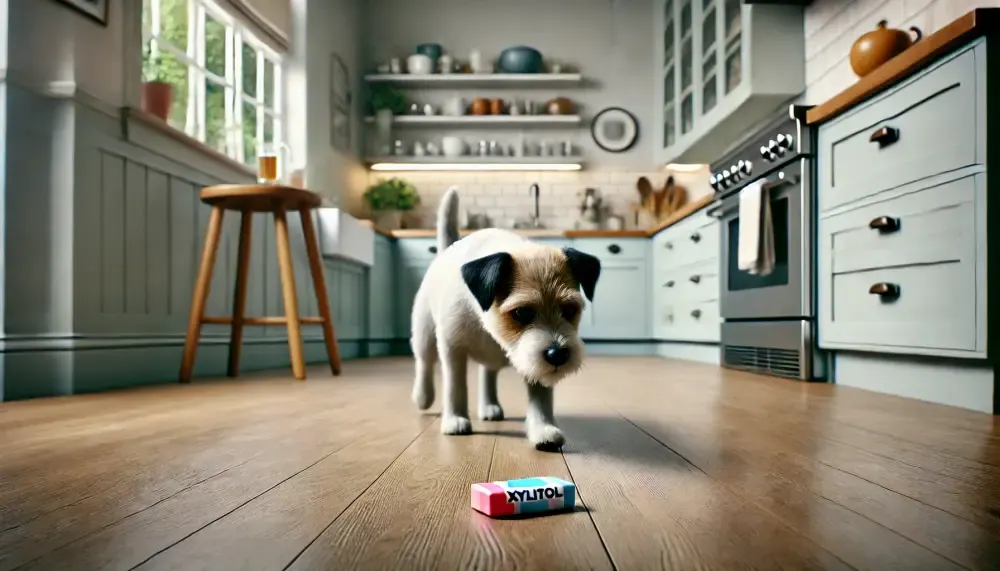
What to Do if Your Dog Eats Xylitol
If you suspect your dog has ingested xylitol, act immediately. Here are the steps you should follow:
- Contact a veterinarian: Time is critical. Reach out to your vet or an emergency animal clinic right away. If possible, let them know how much xylitol your dog may have consumed.
- Induce vomiting (only if instructed): Some vets may advise you to induce vomiting if the ingestion is recent and the dog has not yet shown symptoms. Never induce vomiting unless explicitly instructed by a veterinarian.
- Get to the vet: Even if your dog appears to be fine, xylitol poisoning can develop rapidly. Immediate medical attention is crucial to prevent hypoglycemia or liver damage.
How Vets Treat Xylitol Poisoning
Once at the vet, your dog will likely receive treatment to manage the effects of xylitol poisoning. This may include:
- Intravenous fluids to help maintain normal blood sugar levels
- Medications to control symptoms like seizures or tremors
- Monitoring of liver function, especially if the amount of xylitol ingested was significant
- Activated charcoal is typically not effective in preventing xylitol absorption, as xylitol is absorbed too quickly into the bloodstream.
The prognosis depends on how quickly treatment is administered. If caught early and treated aggressively, dogs can recover from xylitol poisoning. However, delays in treatment can lead to severe complications or death.
Preventing Xylitol Poisoning
Prevention is the key to protecting your dog from xylitol poisoning. Here are some tips to help keep your dog safe:
- Check labels: Always read the labels on products before giving them to your dog or storing them in areas where your dog might access them.
- Store products safely: Keep all products containing xylitol, like gum, candy, and toothpaste, in secure, dog-proof containers or cabinets.
- Educate family and friends: Make sure everyone in your household is aware of the dangers of xylitol and knows which products may contain it.
- Use dog-safe alternatives: When baking treats or feeding snacks to your dog, avoid products that contain xylitol. Choose dog-friendly treats or make homemade snacks using safe ingredients.
Xylitol may seem like a harmless sweetener, but it is a deadly poison for dogs. By understanding the risks and taking precautions, you can protect your pet from accidental poisoning. Always check ingredient labels, keep dangerous products out of reach, and act quickly if you suspect your dog has ingested xylitol.


