Avocados and Dogs: What Makes Them Dangerous?

Related reading: Spoil Them Silly: 20 Inspiring Gifts for Dogs.
For general pet-health questions, the AVMA pet-owner resources are a reliable starting point, and your veterinarian should guide individual decisions.
Avocados are a favorite fruit for many, known for their rich, creamy texture and nutrient-packed profile. However, while they might be healthy and delicious for humans, they pose significant risks to dogs. Understanding the dangers of avocados for your furry friend is essential for every pet owner. So, what makes this popular fruit so hazardous to dogs, and how can you protect your pet from potential harm?
Why Are Avocados Dangerous for Dogs?
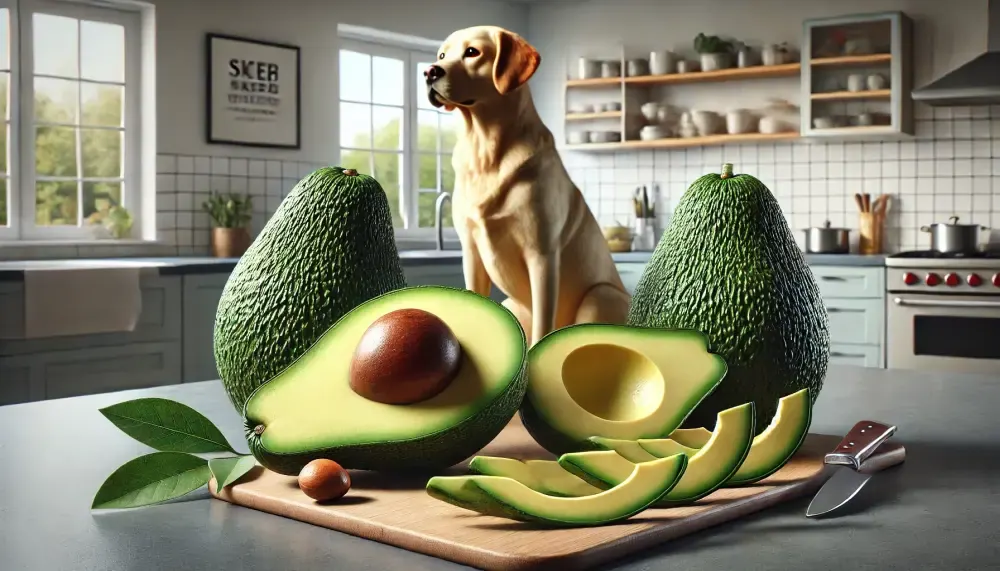
The primary reason avocados are dangerous to dogs is due to a toxin called persin. While persin is harmless to humans, in large amounts, it can be toxic to some animals, including dogs. Persin is present in various parts of the avocado, including the fruit, pit, leaves, and bark of the avocado tree. Although dogs are more resistant to persin than other animals, such as birds or horses, they can still suffer from negative effects if they consume too much.
The risks aren’t just limited to persin. The high-fat content in avocados can also cause other health problems for dogs. Let’s take a closer look at the various risks associated with dogs consuming avocados.
Persin Toxicity: What You Need to Know
Persin is a fungicidal toxin found in the avocado plant. In dogs, consuming persin in large quantities can cause gastrointestinal upset, including vomiting and diarrhea. While some dogs may tolerate small amounts of avocado without severe symptoms, others may experience more pronounced reactions.
The amount of persin in the avocado fruit itself is relatively low compared to the leaves, bark, and seed, but ingestion can still lead to discomfort. The problem is compounded by the fact that some dogs may react more sensitively to persin than others.
In extreme cases, persin toxicity can cause difficulty breathing, fluid accumulation around the heart (known as myocardial damage), and even death, though this is rare. It’s always better to err on the side of caution and avoid giving your dog avocado altogether.
The Pit: A Major Choking Hazard
Even if persin doesn’t pose an immediate threat to your dog, the avocado pit (or seed) presents a significant physical danger. The pit is large, hard, and can easily become lodged in your dog’s throat, esophagus, or intestines. This can cause a blockage, which is a medical emergency that often requires surgery.
Signs of an intestinal blockage include vomiting, lethargy, loss of appetite, and abdominal pain. If you suspect your dog has swallowed an avocado pit, seek veterinary care immediately.
High Fat Content: Not Ideal for Dogs
Avocados are known for their healthy fats, which are great for humans, but too much fat can be problematic for dogs. Feeding your dog avocado can contribute to pancreatitis, a condition that occurs when the pancreas becomes inflamed. Pancreatitis can cause severe abdominal pain, vomiting, diarrhea, and dehydration.
Dogs with pancreatitis require immediate medical treatment, and the condition can sometimes lead to long-term health issues. Dogs that are prone to pancreatitis, or those with sensitive digestive systems, should especially avoid foods with high-fat content, such as avocado.
Are Any Parts of the Avocado Safe for Dogs?
While the flesh of the avocado contains lower levels of persin compared to the pit, leaves, and bark, it’s still best to avoid giving any part of the avocado to your dog. The risks associated with avocado ingestion outweigh any potential benefits.
There are plenty of dog-safe fruits and vegetables that provide the same nutrients without the risk. If you’re looking for healthy treat alternatives for your dog, consider options like apples (without seeds), carrots, blueberries, or sweet potatoes.
What to Do If Your Dog Eats Avocado
If your dog has ingested avocado, it’s important to monitor them closely. Symptoms of avocado toxicity can vary depending on the size of the dog, the amount consumed, and the individual dog’s tolerance to persin. Here are some common symptoms to watch out for:
- Vomiting
- Diarrhea
- Difficulty breathing
- Lethargy
- Abdominal discomfort
If your dog is showing any of these signs, contact your veterinarian right away. In some cases, your vet may recommend inducing vomiting to prevent further absorption of the toxin or may advise other treatments depending on the severity of the symptoms.
Prevention Is Key: How to Keep Your Dog Safe
Preventing avocado consumption is the best way to protect your dog from potential harm. Here are a few practical tips to ensure your pet stays safe:
- Keep avocados out of reach: Store avocados in a place where your dog cannot access them, whether they’re on the counter, in the pantry, or growing on a tree in your backyard.
- Watch for fallen avocados: If you have an avocado tree in your yard, regularly check for fallen fruit and promptly remove it before your dog can get to it.
- Educate family members and guests: Make sure everyone in your household, as well as guests, knows not to feed your dog any avocado or avocado-based foods like guacamole.
- Choose safer treat alternatives: There are many dog-friendly fruits and veggies that can make excellent treats for your furry friend. Stick to options that are known to be safe.
Avocados may be a superfood for humans, but for dogs, they present a range of risks, from persin toxicity to choking hazards and digestive issues. It’s important to understand the dangers associated with feeding avocados to dogs and to take steps to prevent accidental ingestion. By being informed and vigilant, you can keep your dog safe and healthy, avoiding the potentially serious consequences of avocado consumption.
If you’re ever in doubt about what’s safe to feed your dog, it’s always best to consult with your veterinarian for expert advice. Keeping your furry friend’s diet free from harmful foods like avocados is one of the best ways to ensure their long-term health and happiness.