Why Grapes and Raisins Are Poisonous to Dogs: A Comprehensive Guide
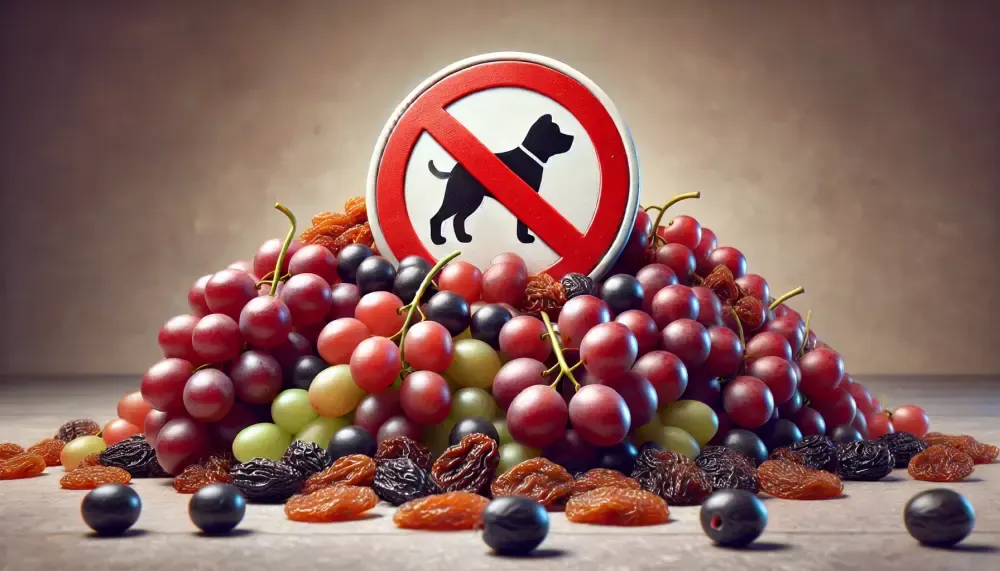
If you are unsure whether a food is safe, the ASPCA’s list of people foods to avoid feeding pets is a reliable starting point, and a veterinarian or poison-control professional should be called if a pet already ate something questionable.
As loving pet owners, we always strive to give our dogs the best possible care. However, sometimes what seems like a harmless snack could pose a deadly threat. Grapes and raisins, commonly found in households, are incredibly toxic to dogs. While the exact cause of their toxicity remains a mystery, the consequences of ingestion can be severe and life-threatening. In this comprehensive guide, we will explore why grapes and raisins are poisonous to dogs, the symptoms of poisoning, and what immediate actions to take if your dog consumes these fruits.
Why Are Grapes and Raisins Toxic to Dogs?
The toxicity of grapes and raisins to dogs is puzzling because it affects some dogs more severely than others. What makes these fruits dangerous to dogs is still not fully understood by veterinary scientists. However, it is clear that even small amounts of grapes or raisins can cause acute kidney failure in dogs.
Some theories suggest that the toxicity may be linked to fungal contaminants or certain compounds found in the skin of the grapes. Regardless of the exact reason, dog owners must remain vigilant and avoid feeding their pets any form of grapes or raisins, including those found in foods like cookies or trail mixes.
Symptoms of Grape and Raisin Poisoning in Dogs
If a dog ingests grapes or raisins, symptoms of poisoning may appear within a few hours or days, depending on the severity.
Common symptoms include:
- Vomiting and Diarrhea: These are often the first signs that something is wrong. Undigested pieces of grapes or raisins may be visible in the vomit or stool.
- Loss of Appetite: Dogs may lose interest in food and show signs of discomfort.
- Lethargy: Weakness and reduced energy are common signs that your dog’s kidneys are struggling.
- Abdominal Pain: Dogs may exhibit signs of pain, such as whimpering or reluctance to move.
- Dehydration: Excessive thirst or reduced urine output can be indicators of kidney failure.
- Tremors or Seizures: In severe cases, poisoning can lead to neurological issues like tremors or seizures.
How Much Is Too Much? The Danger of Small Quantities
Unlike other foods that are toxic to dogs in large quantities, grapes and raisins can be dangerous even in small amounts. Some dogs may experience poisoning after ingesting just a few grapes, while others may tolerate slightly more before showing symptoms.
For instance, a 20-pound (9 kg) dog might experience severe symptoms from eating as few as three to four grapes or raisins. This unpredictability makes it essential to keep any grape or raisin-containing products out of your dog’s reach.
What to Do If Your Dog Eats Grapes or Raisins
If you suspect or know that your dog has ingested grapes or raisins, quick action is vital. Follow these steps:
- Contact Your Veterinarian Immediately: The sooner you contact your vet, the better the chances of preventing severe poisoning.
- Induce Vomiting: In some cases, inducing vomiting under veterinary guidance may help to expel the toxic substance before it’s absorbed.
- Hydrate Your Dog: Offer water to help flush the toxins out, but do not force your dog to drink.
- Activated Charcoal: Your veterinarian may recommend activated charcoal to prevent further absorption of toxins in the stomach.
- Veterinary Care: Your vet may perform blood tests to assess kidney function and provide treatments such as IV fluids, medications to support kidney health, and monitoring for any signs of kidney failure.
Treatment Options and Recovery
The treatment for grape and raisin poisoning largely depends on how soon after ingestion the dog is treated. Immediate treatment, such as induced vomiting and IV fluids, can significantly improve the chances of recovery. If treatment is delayed, kidney damage may occur, which can be irreversible in some cases.
For dogs that develop kidney failure, the prognosis is grim. Ongoing dialysis or even a kidney transplant may be required. That’s why prevention and immediate action are critical when dealing with grape or raisin ingestion.
Preventing Grape and Raisin Poisoning
The best way to protect your dog from the dangers of grapes and raisins is to prevent them from accessing these toxic foods in the first place. Here are some key prevention tips:
- Keep Grapes and Raisins Out of Reach: Store these fruits in cabinets or refrigerators that your dog cannot access.
- Educate Your Family: Make sure everyone in your household is aware that grapes and raisins are toxic to dogs, and ensure that no one feeds these foods to your pets.
- Check Labels: Many packaged foods, including bread, cereals, and baked goods, may contain raisins. Always read labels carefully before giving your dog any human food.
- Watch for Spills: If you accidentally drop grapes or raisins on the floor, make sure to pick them up before your dog can eat them.
Alternative Dog-Friendly Snacks
There are many healthy and safe alternatives to grapes and raisins that your dog will love. Consider offering the following dog-friendly snacks:
- Apples (without seeds): A crunchy and sweet treat that’s safe for dogs.
- Blueberries: Packed with antioxidants, blueberries are a great low-calorie snack.
- Carrots: Raw or cooked carrots are rich in vitamins and are good for your dog’s teeth.
- Peanut Butter: A classic favorite, but make sure it doesn’t contain xylitol, another toxic ingredient for dogs.
Protecting Your Dog from Toxic Foods
Grapes and raisins may seem harmless, but they pose a significant threat to your dog’s health. By being proactive, understanding the symptoms of poisoning, and knowing what to do in case of ingestion, you can help protect your beloved pet from this deadly hazard.
Always consult with your veterinarian if you have any concerns about your dog’s diet or if an accidental ingestion occurs. Remember, prevention is the best protection.