Toxic Plants for Dogs: A Comprehensive Guide to Keep Your Pets Safe
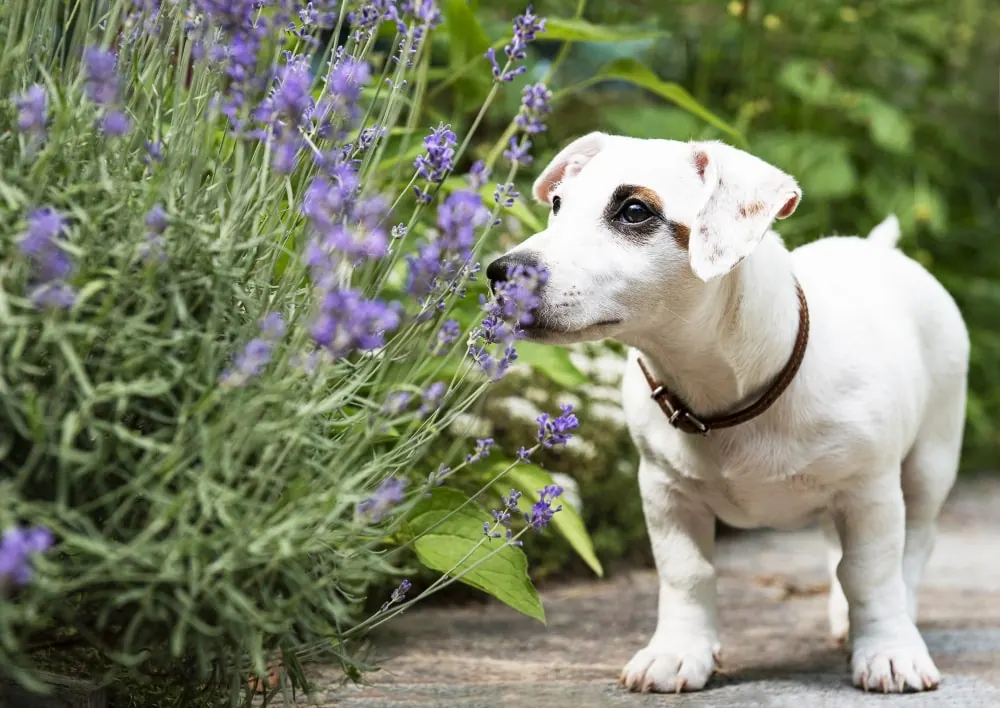
Dogs are naturally curious creatures, often exploring their environment with their noses and mouths. While this behavior is a delightful aspect of their personality, it can also lead to potential dangers, especially when it comes to plants. Many common household and garden plants are toxic to dogs and can cause a range of health issues, from mild stomach upset to severe poisoning or even death. As a responsible pet owner, it is crucial to be aware of these toxic plants to ensure the safety and well-being of your furry friends.
Common Toxic Plants for Dogs
Here are some of the most common toxic plants that dog owners should be aware of:
1. Sago Palm (Cycas revoluta)
- Toxicity: High
- Symptoms: Vomiting, diarrhea, seizures, liver failure
- Details: Every part of the Sago Palm is toxic, with the seeds (nuts) being the most poisonous part. Even a small amount can be lethal.
2. Aloe Vera
- Toxicity: Moderate
- Symptoms: Vomiting, diarrhea, lethargy, tremors
- Details: While Aloe Vera is beneficial for human skin, it contains saponins and anthraquinones, which are harmful to dogs.
3. Azalea (Rhododendron species)
- Toxicity: High
- Symptoms: Vomiting, diarrhea, drooling, paralysis, coma, death
- Details: Azaleas contain grayanotoxins, which can disrupt normal skeletal muscle, cardiac muscle, and nerve function in dogs.
4. Tulips (Tulipa species)
- Toxicity: Moderate to High
- Symptoms: Vomiting, diarrhea, drooling, loss of appetite, depression of the central nervous system
- Details: The bulbs are the most toxic part, but all parts of the plant can cause issues.
5. Oleander (Nerium oleander)
- Toxicity: High
- Symptoms: Vomiting, decreased heart rate, death
- Details: Oleander contains cardiac glycosides which can cause serious heart problems.
6. Daffodils (Narcissus species)
- Toxicity: High
- Symptoms: Vomiting, diarrhea, abdominal pain, arrhythmias, convulsions
- Details: The bulbs are especially toxic and can cause severe symptoms even in small amounts.
7. Castor Bean (Ricinus communis)
- Toxicity: Extremely High
- Symptoms: Severe abdominal pain, vomiting, diarrhea, excessive thirst, weakness, loss of appetite, tremors, seizures, death
- Details: Castor beans contain ricin, one of the most toxic natural substances known.
8. Lilies (Lilium species)
- Toxicity: Moderate to High
- Symptoms: Vomiting, inappetence, lethargy, kidney failure
- Details: While certain lilies are more toxic to cats, they can also pose a significant threat to dogs.
9. Foxglove (Digitalis purpurea)
- Toxicity: High
- Symptoms: Nausea, vomiting, diarrhea, drooling, heart arrhythmias, death
- Details: Foxglove contains digitalis glycosides, which affect the heart’s function.
Signs of Plant Poisoning in Dogs
It’s crucial to recognize the signs of plant poisoning in dogs, which can vary depending on the type of plant ingested. Common symptoms include:
- Vomiting
- Diarrhea
- Drooling
- Lethargy
- Abdominal pain
- Loss of appetite
- Tremors or seizures
- Difficulty breathing
- Changes in heart rate
- Coma
If you suspect your dog has ingested a toxic plant, it is important to act quickly and seek veterinary attention immediately.
Preventive Measures
To prevent accidental poisoning, follow these safety tips:
- Identify and Remove Toxic Plants: Ensure that your home and garden are free from the plants listed above. Regularly check the areas where your dog spends time and remove any hazardous plants.
- Supervise Outdoor Activities: Always supervise your dog when they are outside, especially in unfamiliar areas where they might encounter toxic plants.
- Train Your Dog: Teach your dog the “leave it” command to prevent them from investigating or consuming unknown plants.
- Create a Safe Zone: Designate a specific area in your yard that is free from toxic plants where your dog can safely play and explore.
- Use Barriers: If removing toxic plants is not an option, use barriers such as fencing or netting to keep your dog away from these plants.
- Educate Family Members and Visitors: Ensure that everyone who interacts with your dog is aware of the potential dangers of toxic plants and knows how to prevent access to them.
Safe Plant Alternatives
Instead of toxic plants, consider adding dog-friendly plants to your home and garden. Some safe alternatives include:
- Spider Plant (Chlorophytum comosum)
- Boston Fern (Nephrolepis exaltata)
- Areca Palm (Dypsis lutescens)
- Bamboo Palm (Chamaedorea seifrizii)
- Hens and Chicks (Sempervivum tectorum)
- African Violet (Saintpaulia)
- Marigold (Tagetes)
- Petunia (Petunia species)
These plants are not only safe for dogs but also add beauty and greenery to your living spaces.

Being a responsible dog owner means being vigilant about potential dangers in your pet’s environment. Understanding which plants are toxic to dogs and taking preventive measures can save your furry friend’s life. By creating a safe space free from toxic plants and opting for pet-friendly alternatives, you can ensure that your dog remains healthy and happy.
If you ever suspect your dog has ingested a toxic plant, do not hesitate to contact your veterinarian or a pet poison control hotline immediately. Quick action can make all the difference in ensuring your dog’s safety and well-being.
Additional Resources
For more information on toxic plants and pet safety, consider consulting the following resources:
- ASPCA Animal Poison Control Center: Provides a comprehensive list of toxic and non-toxic plants for pets.
- Pet Poison Helpline: A 24/7 animal poison control service available to pet owners and veterinary professionals.
- Your Local Veterinarian: Always a reliable source for advice and emergency care if your pet is exposed to toxic substances.
By staying informed and proactive, you can protect your dog from the hidden dangers of toxic plants and enjoy a safe, beautiful environment together.


