Upper Respiratory Infection in Cats: Symptoms, Treatment, and Prevention
For a related health topic, see Distemper in Cats: Understanding, Prevention, and Treatment. That article is also not a substitute for a veterinary exam.
This is general information, not a diagnosis. The Merck Veterinary Manual cat-owner pages are a reliable place to read more before you talk with your veterinarian.
Upper respiratory infections (URIs) are common in cats and can range from mild to severe. They are typically caused by viral or bacterial pathogens and are highly contagious, especially in environments where cats are in close contact with each other, such as shelters or multi-cat households. Understanding the signs, treatment options, and preventive measures for upper respiratory infections can help cat owners ensure the well-being of their feline companions.
What is an Upper Respiratory Infection in Cats?
An upper respiratory infection in cats affects the nose, throat, and sinus area, much like a cold in humans. The most common viruses responsible for these infections are the feline herpesvirus (FHV-1) and the feline calicivirus (FCV). These viruses account for the majority of URIs in cats, though bacterial infections caused by Bordetella bronchiseptica, Chlamydophila felis, and Mycoplasma species can also play a role.
The viruses and bacteria that cause URIs are usually spread through:
- Direct contact with an infected cat
- Sneezing or coughing, which releases droplets into the air
- Sharing food, water bowls, or litter boxes with an infected cat
- Contact with contaminated surfaces or human hands that have touched an infected cat
Symptoms of Upper Respiratory Infection in Cats
The symptoms of an upper respiratory infection can vary depending on the severity of the infection and the specific pathogen involved. However, common signs include:
- Sneezing: Frequent sneezing is one of the most noticeable signs of a URI.
- Runny Nose: Cats may have clear or colored nasal discharge.
- Coughing: Some cats may develop a cough as the infection progresses.
- Eye Discharge: Watery or thick discharge from the eyes, which may cause the eyelids to stick together.
- Fever: A mild to moderate fever is common during the course of the infection.
- Loss of Appetite: Cats with URIs often lose their appetite due to nasal congestion and a reduced sense of smell.
- Lethargy: Affected cats may be less active and more tired than usual.
- Mouth Ulcers: Some cats, especially those infected with feline calicivirus, may develop painful ulcers in the mouth.
- Labored Breathing: In severe cases, cats may struggle to breathe due to congestion or secondary infections.
Diagnosis of Upper Respiratory Infections in Cats
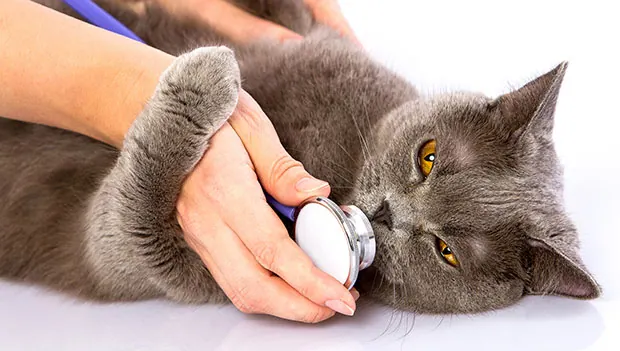
If you suspect your cat has an upper respiratory infection, it’s important to consult a veterinarian. A proper diagnosis is usually based on a combination of the cat’s symptoms and a physical examination. In some cases, your veterinarian may recommend additional tests, such as:
- Swabs: Collecting samples from the eyes, nose, or throat to identify the specific virus or bacteria.
- Blood Tests: To check for any underlying conditions or to assess the cat’s overall health.
- X-rays: In severe cases, X-rays may be necessary to check for pneumonia or other complications.
Treatment of Upper Respiratory Infection in Cats
The treatment of an upper respiratory infection in cats largely depends on the severity of the symptoms and the specific pathogen involved. In many cases, URIs are self-limiting and will resolve on their own within 7 to 10 days. However, supportive care and veterinary intervention may be necessary, particularly for severe or persistent cases.
Home Care and Supportive Measures
For mild cases, home care may be sufficient to help your cat recover:
- Humidification: Using a humidifier in the room where your cat spends most of its time can help soothe irritated airways and reduce congestion.
- Nasal Drops: Saline nasal drops can be used to clear nasal passages.
- Encouraging Eating and Drinking: Warm, aromatic foods may stimulate your cat’s appetite. Ensuring they remain hydrated is crucial.
- Eye Cleaning: Gently cleaning any discharge from the eyes with a damp cloth can help prevent secondary infections.
Veterinary Treatment
In more severe cases, or if the infection is not improving, your veterinarian may recommend additional treatments, such as:
- Antibiotics: These are used if a secondary bacterial infection is present or if the primary infection is bacterial.
- Antiviral Medications: Although less common, antiviral drugs may be prescribed for severe cases of feline herpesvirus.
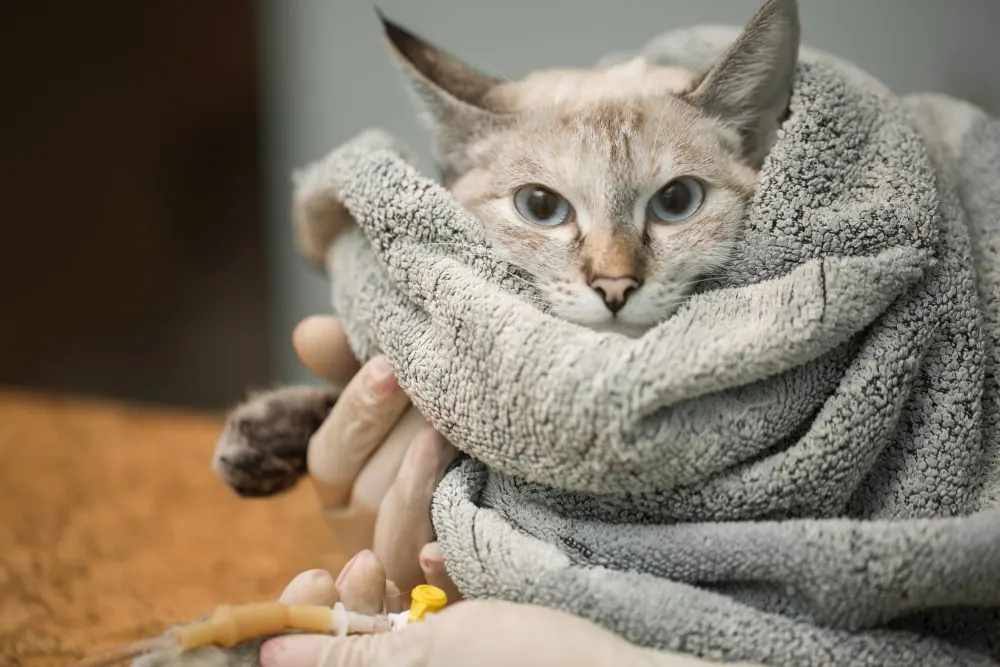
- Fluid Therapy: Dehydrated cats may require fluids administered subcutaneously or intravenously.
- Hospitalization: In very severe cases, particularly if the cat has difficulty breathing, hospitalization may be necessary for intensive care.
Prevention of Upper Respiratory Infections in Cats
Preventing upper respiratory infections in cats involves a combination of good hygiene practices, vaccination, and minimizing stress. Here are some key preventive measures:
Vaccination
Vaccination is one of the most effective ways to protect your cat from upper respiratory infections. The core vaccines for cats typically include protection against feline herpesvirus and feline calicivirus. These vaccines do not completely prevent infection, but they can significantly reduce the severity of symptoms.
Hygiene Practices
Maintaining a clean environment can help reduce the spread of URIs:
- Regular Cleaning: Clean and disinfect food bowls, litter boxes, and bedding frequently.
- Isolation: If you have multiple cats and one is showing signs of a URI, isolate the affected cat to prevent the spread of the infection.
- Hand Washing: Wash your hands thoroughly after handling an infected cat.
Stress Reduction
Stress can weaken a cat’s immune system, making them more susceptible to infections. Reducing stress through a stable routine, providing a comfortable environment, and minimizing changes in their surroundings can help keep your cat healthy.
Regular Veterinary Check-ups
Regular check-ups with your veterinarian can help catch any potential health issues early, including upper respiratory infections. Early intervention is key to preventing complications and ensuring a quick recovery.
When to Seek Veterinary Care
While many upper respiratory infections in cats are mild and can be managed at home, there are certain situations where veterinary care is essential:
- Persistent Symptoms: If your cat’s symptoms persist for more than 10 days or worsen, it’s time to consult your vet.
- Difficulty Breathing: Labored breathing or wheezing should be treated as an emergency.
- Refusal to Eat or Drink: Cats that stop eating or drinking for more than 24 hours should be seen by a vet.
- High Fever: If your cat has a fever that doesn’t respond to home care, veterinary attention is necessary.
Upper respiratory infections in cats are common but can often be managed with proper care and attention. Understanding the symptoms, seeking timely veterinary advice, and taking preventive measures can help protect your cat from these infections. By staying informed and vigilant, you can ensure that your feline friend remains healthy and happy, even during cold and flu season.