What to Feed Puppy with Coccidia

For general pet-health questions, the AVMA pet-owner resources are a reliable starting point, and your veterinarian should guide individual decisions.
Coccidia, a parasitic infection commonly affecting puppies, can cause gastrointestinal issues such as diarrhea, dehydration, and lethargy. If your puppy has been diagnosed with coccidia, you might be wondering what to feed them to help restore their health. While treatment typically includes medication prescribed by a vet, providing the right nutrition is essential for supporting your puppy’s immune system and aiding their recovery.
In this guide, we’ll explore the best types of food to feed a puppy with coccidia, focusing on easily digestible and nutrient-rich options that can help your puppy regain strength.
Understanding Coccidia in Puppies
Coccidia are microscopic parasites that affect the intestinal tract, primarily in young puppies. These parasites are commonly transmitted through contaminated soil, feces, or other infected animals. Symptoms include diarrhea (often watery or bloody), loss of appetite, weight loss, and general weakness.
Since coccidia can cause significant dehydration, it’s essential to feed your puppy the right foods to help them stay hydrated and restore their nutrient levels.
Key Nutritional Needs for Puppies with Coccidia
A puppy with coccidia needs a diet that addresses the following needs:
- Hydration: Since diarrhea is common, staying hydrated is a top priority.
- Easily Digestible Proteins: To minimize the strain on their digestive system, choose proteins that are gentle on the stomach.
- Rich in Electrolytes and Nutrients: Nutrient-rich foods help compensate for the loss of vital electrolytes and minerals.
- Low Fat Content: High-fat diets can worsen gastrointestinal distress, so stick to low-fat options.
With these factors in mind, let’s look at the specific types of food that are best for a puppy recovering from coccidia.
Best Foods for Puppies with Coccidia
1. Boiled Chicken and Rice
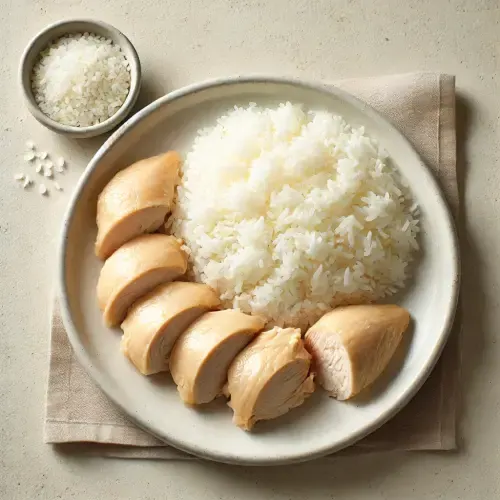
A classic combination for dogs with digestive issues, boiled chicken and rice provide easily digestible protein and carbohydrates. Both ingredients are gentle on your puppy’s stomach and can help firm up their stool. Use skinless chicken breast to keep the fat content low, and opt for plain white rice, as it’s easier to digest than brown rice.
- How to Serve: Boil the chicken thoroughly, shred it, and mix it with plain white rice. Feed small, frequent meals to avoid overwhelming the puppy’s stomach.
2. Pumpkin Puree
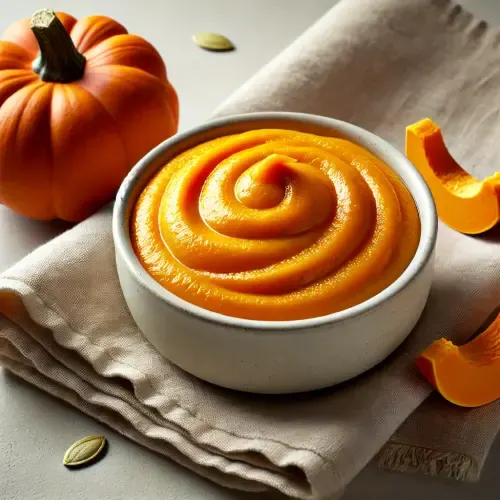
Pumpkin is a great source of fiber and can help regulate your puppy’s digestive system. It can firm up loose stools and is easy for puppies to digest. Make sure to use plain pumpkin puree without added sugars or spices.
- How to Serve: Add a spoonful of pumpkin puree to your puppy’s meals. Start with small amounts and adjust based on how your puppy responds.
3. Low-Fat Plain Yogurt
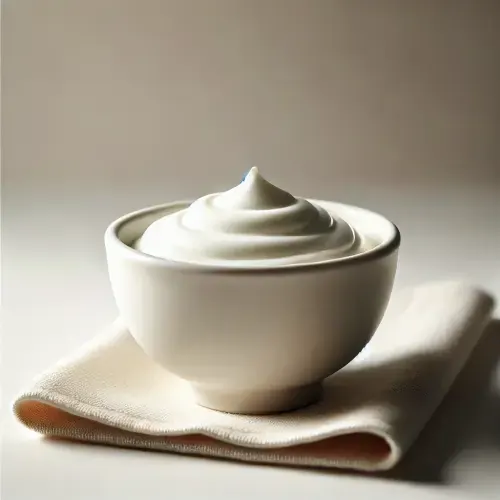
Probiotics found in yogurt can help restore the healthy bacteria in your puppy’s gut, aiding digestion and boosting their immune response. Look for low-fat, plain yogurt with live active cultures, and avoid any that contain artificial sweeteners or flavors.
- How to Serve: Offer a small spoonful of yogurt with their meals to support gut health.
4. Bone Broth
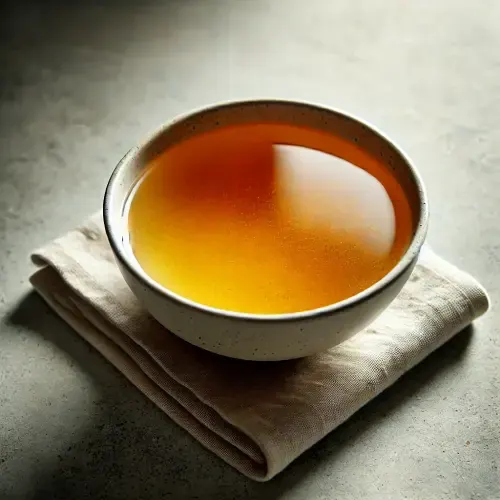
Bone broth is an excellent way to keep your puppy hydrated while providing essential nutrients. It is rich in vitamins and minerals, particularly gelatin, which can help soothe the digestive system. Bone broth is gentle and easily absorbed, making it ideal for a recovering puppy.
- How to Serve: Make or buy plain, unsalted bone broth. Pour a small amount over your puppy’s food or serve it as a separate hydrating treat.
5. Cottage Cheese
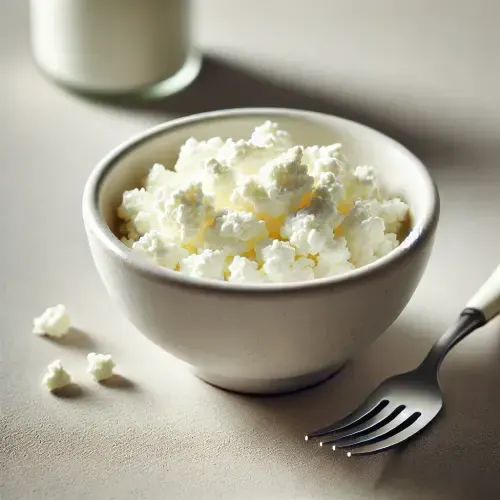
Low-fat cottage cheese is another great source of easily digestible protein for puppies with coccidia. It’s soft and easy on the stomach, helping to support muscle recovery without causing further digestive upset.
- How to Serve: Serve a small amount of cottage cheese with your puppy’s meals or mix it with rice for a protein boost.
6. Boiled Eggs
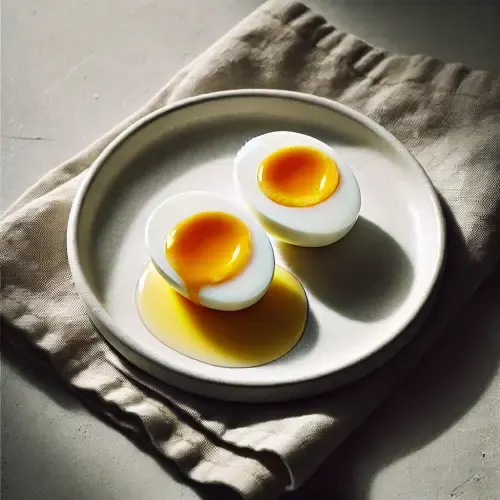
Boiled eggs provide a high-quality, easily digestible protein source that is gentle on a puppy’s digestive system. They also supply essential vitamins and minerals, such as vitamin A, which supports immune function.
- How to Serve: Boil the egg and chop it into small, manageable pieces. You can mix the egg with other soft foods like rice or pumpkin.
7. Specialty Gastrointestinal Puppy Food
If you’re unsure about home-cooked options, you can consult your veterinarian about specially formulated puppy foods designed for sensitive stomachs. These foods are typically rich in easily digestible proteins, fiber, and essential nutrients to support your puppy’s recovery. Many brands offer veterinary-grade gastrointestinal diets that can be helpful during coccidia treatment.
- How to Serve: Follow the feeding guidelines on the packaging or as recommended by your vet.
Foods to Avoid
While feeding your puppy during their recovery from coccidia, it’s important to avoid foods that can exacerbate their symptoms. Stay away from:
- Fatty Foods: High-fat foods can be hard on your puppy’s digestive system and may worsen diarrhea.
- Spicy or Seasoned Foods: Avoid giving your puppy anything seasoned with salt, spices, or oils.
- Dairy Products (besides yogurt): Other dairy products, such as milk and cheese, can cause further gastrointestinal upset.
Feeding Tips for Puppies with Coccidia
- Small, Frequent Meals: Instead of feeding your puppy large portions, offer small meals more frequently throughout the day. This approach helps avoid overloading their stomach and supports better digestion.
- Monitor Hydration: Ensure your puppy always has access to fresh water. If your puppy is struggling to stay hydrated, you may need to consult your vet for electrolyte solutions.
- Consult Your Vet: Always check with your veterinarian before introducing any new foods, especially if your puppy’s symptoms are severe.
Feeding a puppy with coccidia requires extra care and attention. Choosing the right foods can help soothe their digestive system and promote a quicker recovery. Focus on easily digestible, nutrient-rich options like boiled chicken, rice, pumpkin, and probiotic-rich yogurt. By supporting their diet and hydration, you’re providing your puppy with the best chance to bounce back to their energetic, healthy self.
Remember to monitor their condition closely and consult your vet for advice tailored to your puppy’s specific needs during recovery.


