Yeast Infection in Dogs: Symptoms, Causes, and Treatment
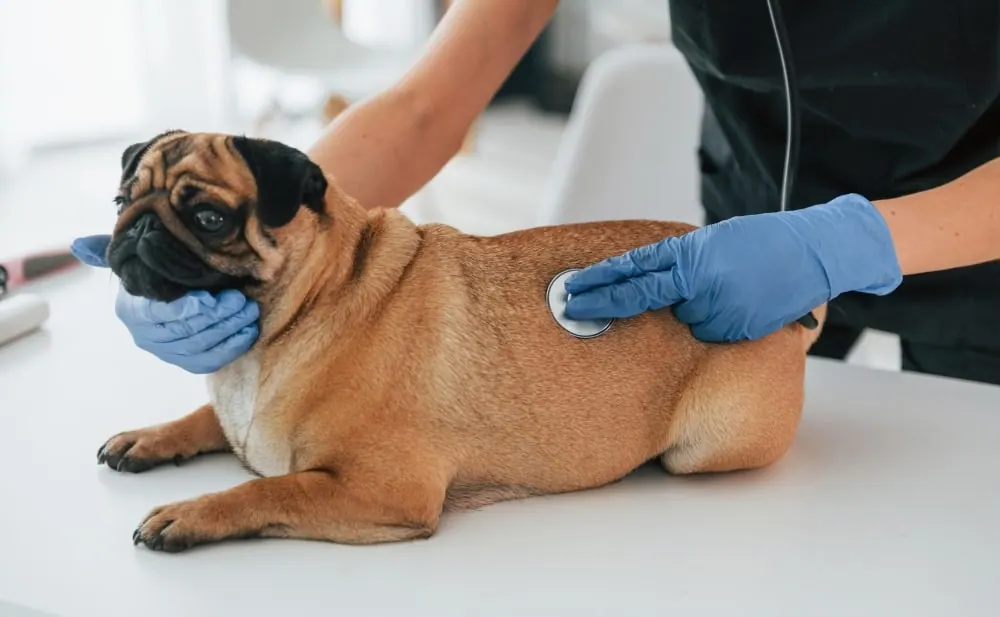
This is general information, not a diagnosis. The Merck Veterinary Manual dog-owner pages are a reliable place to read more before you talk with your veterinarian.
Yeast infections in dogs are a common and often uncomfortable ailment that affects many canines, regardless of their breed or age. Characterized by an overgrowth of the yeast fungus, typically Malassezia pachydermatis, these infections can lead to a variety of symptoms ranging from mild irritation to severe discomfort. This article discusses the causes, symptoms, diagnosis, treatment, and prevention of yeast infections in dogs, providing pet owners with valuable information to recognize and manage this condition effectively.
Understanding Yeast Infections in Dogs
What is Yeast?
Yeast is a type of fungus naturally found on the skin and ears of dogs. In a healthy animal, yeast exists in balance with other organisms on the skin and within the body’s microbiome. However, when that balance is disrupted, yeast can grow excessively, leading to an infection.
Common Symptoms of Yeast Infections in Dogs
Dogs suffering from yeast infections may exhibit a range of symptoms, including:
- Itching and Scratching: Persistent scratching at ears, paws, or other parts of the body.
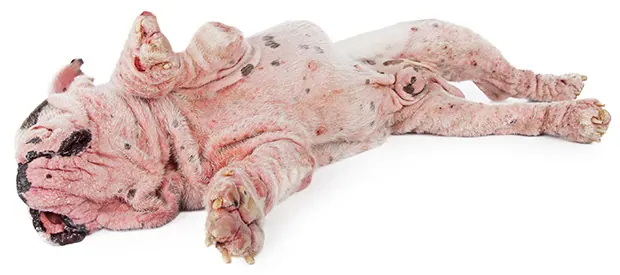
- Redness and Swelling: Noticeable inflammation or swelling in the affected areas.
- Odor: A strong, musty odor often described as resembling corn chips.
- Discharge: Brown, yellow, or bloody discharge from ears or affected skin folds.
- Changes in Skin and Coat: Greasy skin, hair loss, or a sooty discoloration under arms, neck, and belly.
These symptoms can lead to more severe complications, such as secondary bacterial infections and chronic discomfort, if left untreated.
Causes of Yeast Infections in Dogs
Several factors can contribute to the overgrowth of yeast in dogs, including:
- Humidity and Moisture: Yeast thrives in moist environments, making dogs who swim frequently or live in humid climates more susceptible.
- Allergies: Allergic reactions to food, environmental allergens, or fleas can compromise a dog’s skin health and foster yeast growth.
- Hormonal Imbalances: Disorders like hypothyroidism or hyperadrenocorticism (Cushing’s disease) can predispose dogs to yeast infections.
- Antibiotic Use: Long-term use of antibiotics can disrupt the natural microbiome, reducing the bacteria that keep yeast in check.
Understanding these factors is crucial for both treatment and prevention, as managing them can help control the spread and recurrence of yeast infections.
Diagnosing Yeast Infections in Dogs
Veterinarians typically diagnose yeast infections through a combination of clinical examination and diagnostic tests. These tests might include:
- Skin Scraping: Examining skin under a microscope to detect yeast organisms.
- Ear Swabs: Collecting and analyzing material from the ear canal.
- Culture Tests: Identifying specific characteristics of the yeast to tailor treatment.
An accurate diagnosis is essential for effective treatment, as it ensures that the symptoms are indeed caused by yeast and not another condition like mites or bacteria.
Treatment Options for Yeast Infections
Treatment of yeast infections in dogs generally involves topical and systemic medications:
- Topical Treatments: Medicated shampoos, creams, and ointments that reduce yeast growth and soothe inflammation.
- Oral Medications: Antifungal drugs, such as ketoconazole or fluconazole, used to treat widespread infections or chronic cases.
Additionally, it’s important to address any underlying conditions that may be contributing to the yeast overgrowth, such as allergies or hormonal imbalances.
Preventive Measures
Preventing yeast infections in dogs involves maintaining a healthy lifestyle and proper hygiene:
- Regular Grooming: Keeping your dog’s coat clean and dry, particularly after swimming or bathing.
- Diet and Supplements: Feeding a balanced diet and considering supplements like omega-3 fatty acids to support skin health.
- Regular Vet Visits: Ensuring that any underlying health issues are managed with routine veterinary care.
Yeast infections in dogs can be a significant cause of discomfort and distress, but with proper management and care, they are treatable. Understanding the causes and symptoms, seeking timely veterinary intervention, and adhering to preventive measures can greatly improve your dog’s quality of life. By staying vigilant and proactive in your pet care approach, you can help ensure that your canine companion remains happy, healthy, and comfortable.


