5 Reasons Why Dogs Eat Grass
Look for a complete-and-balanced statement as explained in the FDA guidance on complete and balanced pet food and AAFCO’s consumer guide to understanding pet food. The WSAVA Global Nutrition Guidelines are a useful higher-level reference when you are choosing a food.
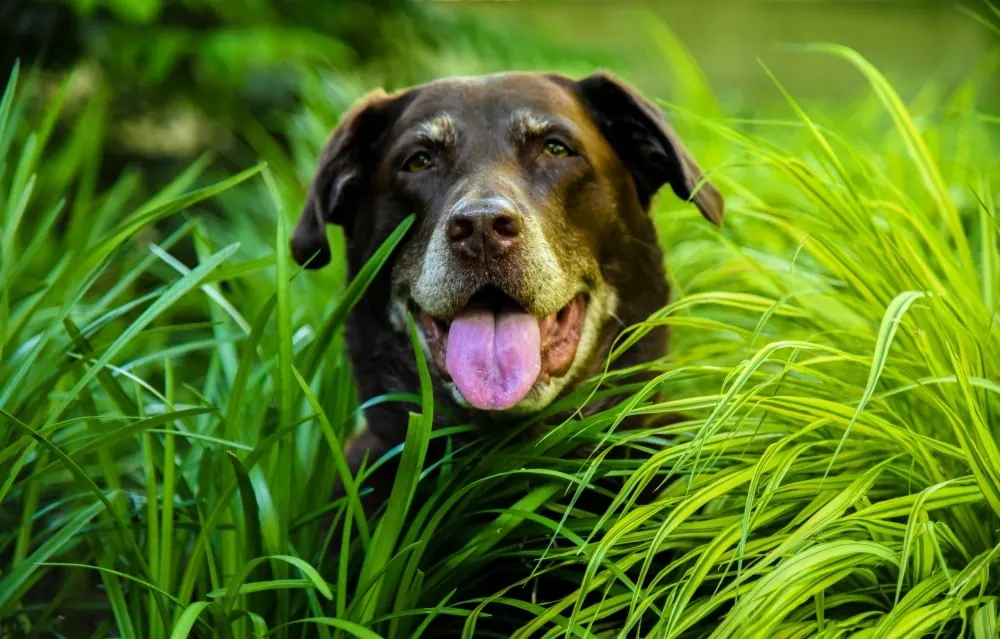
Dogs are known for their sometimes puzzling behaviors, and one such activity that often leaves pet owners scratching their heads is grass eating. While it might seem odd, there are a variety of reasons why our canine companions might graze on your lawn. Understanding why dogs engage in this behavior can help pet owners ensure their furry friends remain healthy and happy. Here are five reasons why dogs might eat grass.
1. Nutritional Needs
One of the primary reasons dogs may eat grass is to fulfill certain nutritional deficiencies in their diet. Dogs are omnivores, meaning they eat both meat and plant-based foods. Sometimes, domestic dog diets might not fully satisfy their nutritional needs, particularly in fiber. Grass is a good source of fiber, which helps in digestion. Although dog food generally provides the necessary nutrients, some dogs might still feel the need to supplement their intake, especially if their diets lack sufficient variety or if they have a specific deficiency.
In cases where dogs are consuming grass frequently, pet owners should evaluate their dog’s diet with the help of a veterinarian. Ensuring that their diet is balanced and rich in all necessary nutrients can reduce grass eating behavior driven by nutritional needs.
2. Digestive Aid
Grass can serve as a natural laxative, helping dogs to digest their food better and relieve constipation. The roughage in grass can stimulate the intestines and help move food through the digestive tract more smoothly. This might explain why some dogs only eat grass occasionally and might appear to be choosy about the type of grass they eat.
Moreover, if a dog is feeling unwell or if it has ingested something it shouldn’t have, eating grass can also induce vomiting. This self-induced vomiting can help dogs get rid of unwanted or harmful substances from their stomachs, acting as a protective measure to maintain their health.
3. Instinctual Behavior
Eating grass is also considered an instinctual behavior for dogs. Before domestication, wild dogs often ate all parts of their prey, including the stomach contents of herbivorous animals, which contained partially digested plants and grass. Thus, modern dogs might still be driven by this instinct to add vegetation to their diets.
Furthermore, this behavior can be observed more in some breeds than others, suggesting a genetic predisposition towards eating grass. Observing and understanding these instincts can help pet owners accept this natural behavior as long as it does not harm the dog.
4. Boredom or Anxiety Relief
Dogs often engage in certain behaviors to relieve boredom or anxiety, and eating grass might be one of these activities. If a dog is left alone in the yard without toys or other forms of mental stimulation, it might turn to eating grass as a way to occupy itself. Similarly, dogs experiencing anxiety might eat grass compulsively as a way to cope with their feelings.
To combat this, it’s important for pet owners to ensure that their dogs are receiving adequate physical and mental exercise. Providing more interactive toys, spending more time playing, or even training can redirect this behavior into more beneficial activities.
5. Simple Enjoyment
Finally, some dogs might just eat grass because they like the taste or texture. It’s a simple and harmless pleasure for them. As long as the grass is free of pesticides, fertilizers, or other harmful chemicals, and the behavior isn’t excessive, there’s usually no harm in letting dogs munch on grass.
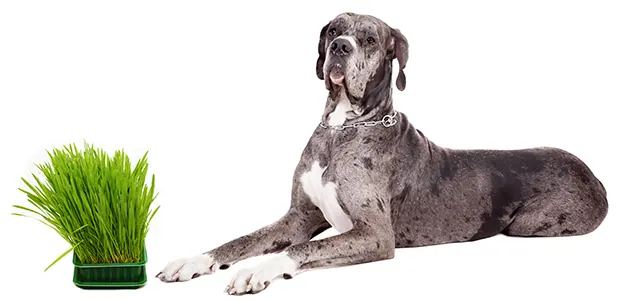
In conclusion, while dogs eating grass might initially seem concerning, it’s a common behavior with various explanations. Understanding the underlying reasons can help pet owners better cater to their dog’s health and well-being. Always monitor the amount of grass your dog consumes and consult a veterinarian if the behavior seems excessive or if it’s accompanied by signs of discomfort. This way, you can ensure that your dog maintains a healthy and happy life.