Can Dogs Eat Pistachios? What You Need to Know
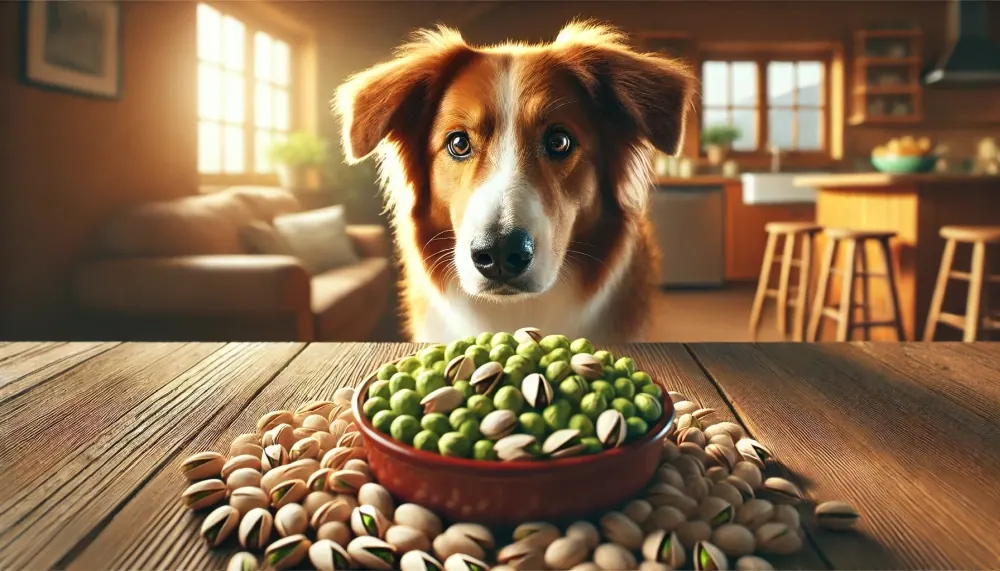
If you are unsure whether a food is safe, the ASPCA’s list of people foods to avoid feeding pets is a reliable starting point, and a veterinarian or poison-control professional should be called if a pet already ate something questionable.
Pistachios are a popular snack among humans due to their rich flavor, satisfying crunch, and nutrient-packed profile. These green nuts are often enjoyed on their own or in various dishes, but pet owners may wonder: can dogs safely indulge in this treat? While pistachios offer various health benefits for people, their impact on dogs requires careful consideration.
Nutritional Value of Pistachios
Pistachios are loaded with essential nutrients like protein, fiber, healthy fats, and vitamins such as vitamin B6, thiamine, and vitamin E. These elements contribute to heart health, immune support, and cell regeneration. Despite their nutritional benefits for humans, the question of whether they are safe for dogs is multifaceted.
Are Pistachios Safe for Dogs?
Pistachios are not toxic to dogs, meaning that in small amounts, they won’t cause harm. However, they do present several risks that pet owners should be aware of before sharing them with their furry friends. Let’s explore the potential issues pistachios may pose to dogs and how you can handle these nuts safely if you choose to give your dog a small taste.
Potential Risks of Feeding Pistachios to Dogs
1. High Fat Content
- Pistachios are naturally high in fat, which can lead to digestive issues in dogs, especially in large quantities. Dogs have different digestive systems than humans, and fatty foods can cause gastrointestinal upset, including diarrhea and vomiting. For some dogs, high-fat foods may even lead to pancreatitis, a painful and potentially serious inflammation of the pancreas.
2. Risk of Aflatoxins
- Aflatoxins are naturally occurring toxins that can sometimes be found in nuts, including pistachios. While aflatoxin contamination is rare, dogs are especially susceptible to these toxins, which can affect liver function and cause serious health issues over time.
3. Choking Hazard
- Pistachios, especially those still in their shells, pose a choking risk. The shells can also cause obstructions in a dog’s digestive tract, which may require medical intervention. Always ensure that any pistachios offered to your dog are shell-free and broken into small pieces.
4. Salted and Flavored Pistachios
- Many pistachios are sold salted or flavored, which makes them unsuitable for dogs. Salted pistachios contain high levels of sodium, which is dangerous for dogs and can lead to dehydration or sodium poisoning in large quantities. Always avoid salted or flavored nuts when it comes to feeding your dog.
Potential Benefits of Pistachios for Dogs
Although pistachios are generally not recommended as a regular part of a dog’s diet, a few unsalted, shelled pistachios can offer some health benefits. Here are a few of the nutrients in pistachios that could be beneficial in small doses:
1. Protein
- Protein is essential for dogs as it supports muscle health, cell growth, and immune function. Pistachios contain a moderate amount of protein, which can contribute to a dog’s dietary needs in small portions.
2. Vitamin B6
- Vitamin B6 supports brain function and red blood cell health. Although dogs receive adequate vitamin B6 from a balanced diet, a small amount from pistachios is generally safe and beneficial if given occasionally.
3. Fiber
- Fiber aids in digestion and can be helpful for dogs with certain digestive conditions. While pistachios are not a primary fiber source, they offer a minor amount that could support digestion in very small portions.
How to Safely Offer Pistachios to Your Dog
If you decide to give your dog a pistachio as an occasional treat, keep the following guidelines in mind:
- Serve Unsalted and Plain: Avoid flavored or salted pistachios, as they contain additional ingredients that may harm your dog.
- Remove the Shells: Only offer pistachios without their shells to reduce the risk of choking or digestive blockages.
- Offer in Moderation: Limit the quantity to a couple of pistachios on rare occasions. Remember that even a small amount of nuts can add up in calories and fat for dogs.
- Watch for Allergic Reactions: Although rare, some dogs may have allergic reactions to nuts. Monitor your dog closely for any unusual symptoms, such as itching, swelling, or difficulty breathing, after introducing pistachios for the first time.
Signs Your Dog Ate Too Many Pistachios
If your dog accidentally consumes a large amount of pistachios, be alert for signs of digestive distress or discomfort. Symptoms that may indicate an issue include:
- Vomiting or diarrhea
- Loss of appetite
- Abdominal pain or bloating
- Lethargy or weakness
- Increased thirst and urination
If you notice any of these symptoms, contact your veterinarian immediately. Quick action can prevent potential complications and ensure your dog receives prompt care if needed.
Alternatives to Pistachios for Dogs
If you’re looking for healthy treat options that provide similar benefits without the risks, consider these dog-friendly alternatives:
- Carrot Sticks: Low in calories and high in fiber, carrots make excellent dog treats. They’re crunchy, satisfying, and easy to digest.
- Apple Slices: Apples are a good source of vitamins A and C. Be sure to remove seeds and the core before giving apples to your dog.
- Green Beans: Low in calories and high in fiber, green beans are a safe snack for dogs that can support digestive health.
- Blueberries: Blueberries offer antioxidants and vitamins. They are small, making them easy for dogs to consume safely.
These treats are safe for most dogs and provide nutritional benefits without the risks associated with pistachios.
Should You Give Your Dog Pistachios?
While dogs can technically eat pistachios, these nuts should be offered sparingly, if at all. The risks, including high fat content and the potential for choking or digestive issues, often outweigh the limited benefits. For a treat, safer options like fruits and vegetables or dog-specific treats are usually a better choice.
Consult your veterinarian if you’re ever uncertain about adding new foods to your dog’s diet. They can provide personalized advice to ensure that your dog stays healthy and safe while enjoying occasional treats.
In conclusion, pistachios should only be given to dogs in moderation, unsalted, and without shells. By following these guidelines, you can reduce the risks while still allowing your dog a tiny taste of this popular snack.


