Can Dogs Eat Pork Chops?
We earn from qualifying Amazon purchases. It doesn't change what we recommend.
If you are unsure whether a food is safe, the ASPCA’s list of people foods to avoid feeding pets is a reliable starting point, and a veterinarian or poison-control professional should be called if a pet already ate something questionable.
Dogs are known for their love of meat, and as pet owners, it’s natural to wonder whether our furry friends can safely enjoy the same delicious foods we do. One common question is: Can dogs eat pork chops? Pork is a savory meat that many humans enjoy, but it’s important to know if it’s a healthy and safe option for your canine companion.
In this article, we’ll explore whether pork chops are suitable for dogs, the potential benefits and risks, and how to prepare pork for your pup to ensure they can enjoy it safely.
Can Dogs Eat Pork Chops?
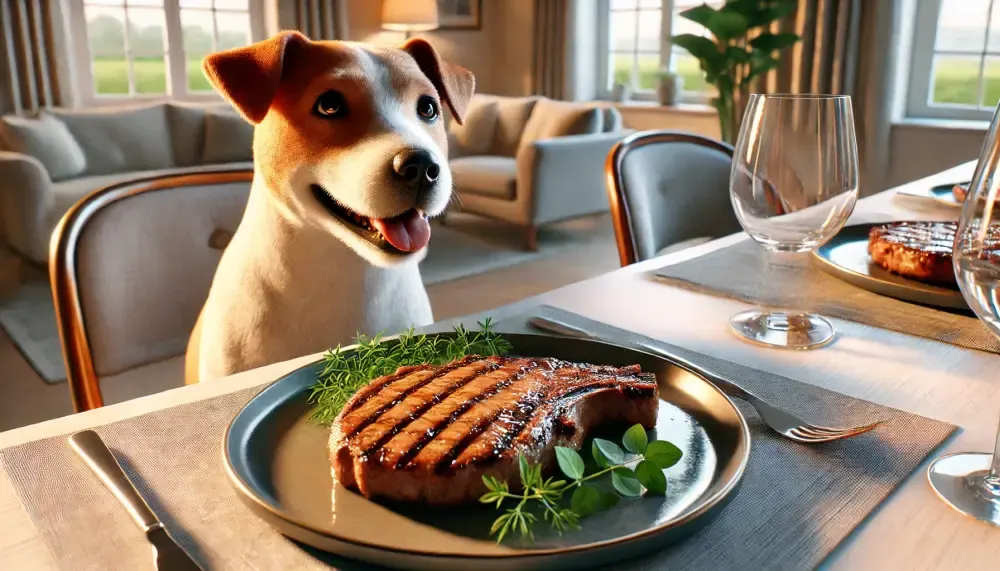
The short answer is yes, dogs can eat pork chops, but there are several important factors to consider before serving this meat to your dog. While pork is not inherently toxic to dogs, how it is prepared and the quantity given can impact your dog’s health.
The Nutritional Value of Pork for Dogs
Pork is a high-protein meat that contains essential nutrients like amino acids, vitamins, and minerals, which can contribute to your dog’s overall health. It’s an excellent source of thiamine (vitamin B1), which is vital for your dog’s metabolism and energy production. Additionally, pork provides significant amounts of zinc, phosphorus, and iron, all important for maintaining healthy bodily functions in dogs.
However, not all pork products are created equal, and how you prepare pork chops can determine whether they are a nutritious meal for your dog or a potential hazard.
Preparing Pork Chops for Dogs
If you’re planning to offer pork chops to your dog, there are some key preparation guidelines to follow:
- Avoid Seasonings and Spices: Pork chops prepared for human consumption are often seasoned with salt, garlic, onion, and other spices that can be harmful to dogs. Garlic and onion, in particular, are toxic to dogs and should never be included in their meals. Always ensure that the pork chops are cooked plain, without any added ingredients.
- Cook Thoroughly: Raw or undercooked pork can carry parasites like Trichinella spiralis, which can cause a parasitic infection known as trichinosis in dogs (and humans). To avoid this, make sure the pork chops are fully cooked to an internal temperature of at least 145°F (63°C) and allowed to rest for three minutes before serving.
- Remove Bones: Pork chops often contain bones, which can pose a choking hazard or cause internal injuries if swallowed by your dog. Pork bones, in particular, can splinter easily and damage your dog’s digestive tract, leading to serious complications. Always remove bones before offering pork to your dog.

The Potential Risks of Feeding Pork to Dogs
While pork chops can be a delicious and nutritious addition to your dog’s diet, there are some risks to be aware of:
- High Fat Content: Pork tends to be a fattier meat compared to other proteins like chicken or turkey. Too much fat can lead to gastrointestinal issues in dogs, including diarrhea and vomiting. In some cases, a high-fat diet can contribute to pancreatitis, a painful and potentially serious condition where the pancreas becomes inflamed. If your dog has a history of pancreatitis or weight issues, it’s best to consult with your veterinarian before adding pork to their diet.
- Salt and Sodium: Processed pork products or pork that has been seasoned with salt can be dangerous for dogs. High sodium levels can lead to dehydration, excessive thirst, and, in severe cases, sodium poisoning. Always check that the pork you’re offering is low in salt and hasn’t been processed with harmful additives.
- Food Allergies: Some dogs may develop food allergies or sensitivities to certain proteins, including pork. If your dog is eating pork for the first time, start with a small portion and monitor for any signs of an allergic reaction, such as itching, swelling, or digestive upset.
How Much Pork Can Dogs Eat?
Like any treat or supplemental food, pork chops should be fed to your dog in moderation. Pork should not replace your dog’s regular, balanced diet but can be offered occasionally as a tasty treat. Make sure to adjust your dog’s daily caloric intake to account for any extra calories from the pork, especially if you’re concerned about weight management.
A good rule of thumb is to offer pork as no more than 10% of your dog’s total daily food intake. This ensures that they are still receiving the nutrients they need from their regular dog food, which is formulated to meet their dietary requirements.
Alternative Ways to Serve Pork to Dogs
If you want to add pork to your dog’s diet without the risks of feeding them pork chops, there are safer alternatives to consider:
- Pork-Based Dog Food: Some high-quality dog foods use pork as the primary protein source. These products are formulated specifically for dogs, providing all the necessary nutrients while eliminating the risk of harmful seasonings or bones.
- Pork Jerky Treats: You can find commercially prepared pork jerky or make your own by dehydrating plain pork meat. These treats can be a safe, low-fat way to give your dog a taste of pork without the risks associated with feeding pork chops.
- Boiled or Baked Pork: Instead of grilling or frying pork chops, try boiling or baking pork without any added oils or seasonings. This can help reduce the fat content and make the pork easier for your dog to digest.
Can Dogs Eat Pork Chops?
In conclusion, dogs can safely eat pork chops, provided they are cooked thoroughly, unseasoned, and free from bones. While pork can offer valuable nutrients like protein, thiamine, and iron, it’s important to feed it in moderation and ensure that your dog’s overall diet remains balanced. Keep in mind the potential risks, such as high fat content and choking hazards, and always consult your veterinarian if you’re unsure about adding new foods to your dog’s diet. When prepared carefully, pork chops can be a delightful and healthy treat for your dog, but it’s essential to prioritize their safety and health above all.