Crude Fat in Dog Food: A Label Number, Not a Grade or a Diet Plan
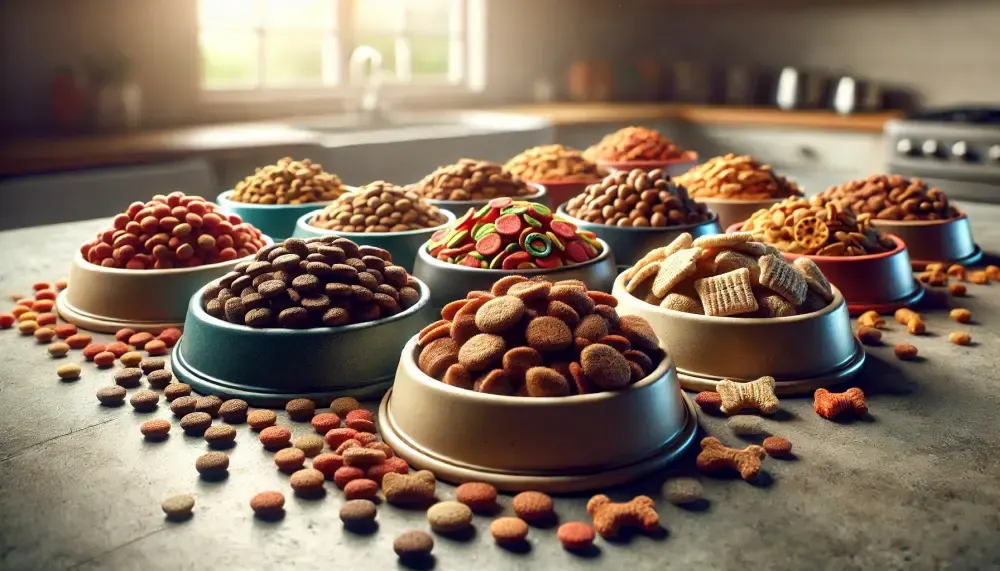
Crude fat on a dog-food label is a laboratory measure of fat, not a grade that tells you the food is “too rich” or “healthy.” Dogs need fat for energy, fat-soluble vitamins, and essential fatty acids, but the right amount depends on life stage, activity, and health. A higher crude-fat number is not automatically better, and a lower one is not automatically a weight-loss diet. Compare foods on a similar basis, and look at the nutritional adequacy statement and your dog’s body condition, not one line on the guaranteed analysis alone.
When you compare bags, look for a complete-and-balanced statement as explained in the FDA guidance on complete and balanced pet food and AAFCO’s consumer guide to understanding pet food. The AKC guide to reading a dog food label is a practical companion.
For a related food question, see Human-Grade Dog Food: What It Means and What’s Worth Buying (2026).
If your dog needs a lower-fat plan because of pancreatitis or another diagnosis, follow your veterinarian, not a grocery label you interpreted yourself. For everyday complete foods, see top dog food brands and wet vs dry dog food guide.
When it comes to feeding your dog, there are many factors to consider—one of the most important being the nutritional content of the food. One such nutrient, often listed on dog food labels, is crude fat. But what exactly is crude fat, and how does it impact your dog’s health? In this article, we’ll explore what crude fat means, why it’s essential for your dog’s diet, and how to ensure your dog is getting the right amount.
What is Crude Fat?
Crude fat refers to the total amount of fat present in dog food, derived from both animal and plant sources. It is listed as one of the key components on dog food packaging, alongside crude protein, fiber, and moisture.
Crude fat provides a measure of the fat content in the food, but it doesn’t differentiate between the types of fats. This is important to keep in mind because while all fats provide energy, not all fats have the same impact on your dog’s health. The term “crude” refers to the method used to measure fat content, which involves extracting the fat from the food with solvents.
Why is Crude Fat Important for Dogs?
Fat is an essential part of a dog’s diet, providing a concentrated source of energy. In fact, fat provides more than twice the calories of proteins and carbohydrates, making it a valuable energy reserve for active dogs.
Here are several reasons why crude fat is essential for dogs:
- Energy Source: Dogs require fats for sustained energy, especially highly active or working dogs. Fat is a crucial macronutrient that supports their daily activities.
- Supports Healthy Skin and Coat: Omega-3 and omega-6 fatty acids found in many fats are vital for maintaining a shiny coat and healthy skin. These essential fatty acids help reduce inflammation, support skin health, and reduce shedding.
- Promotes Brain Development: Fats are essential for brain function and development in puppies, especially fats rich in DHA (docosahexaenoic acid), an omega-3 fatty acid.
- Helps Absorb Vitamins: Certain vitamins like A, D, E, and K are fat-soluble, meaning they need fat to be properly absorbed by your dog’s body. Without adequate fat, your dog may not be able to utilize these essential vitamins fully.
- Keeps Your Dog Feeling Satisfied: Fats help keep dogs feeling full and satisfied after a meal, preventing overeating or excessive hunger between feedings.
How Much Crude Fat is Ideal for Dogs?
The ideal amount of crude fat in your dog’s food depends on several factors, including their age, breed, activity level, and overall health. Typically, the fat content in dog food ranges between 8% and 20%, with some formulas designed for specific needs:
- Puppies and Active Dogs: Puppies and dogs with high energy levels require more fat in their diet. A dog food with a fat content of 15% to 20% is ideal for growing puppies or highly active dogs that need more calories to sustain their energy levels.
- Adult Dogs: For most adult dogs, a balanced diet with a fat content of 8% to 15% is generally recommended. This range supports their nutritional needs without leading to excessive weight gain.
- Senior Dogs: Older dogs typically require less fat as they become less active. Senior dog foods often have lower fat content, usually around 8% to 10%, to prevent obesity while still providing necessary nutrients.
Types of Fats in Dog Food
Not all fats are created equal. There are several different types of fats that can be found in dog food, and understanding these can help you choose the best option for your pet.
- Saturated Fats: These fats come from animal sources such as meat and poultry. While necessary in moderation, too much-saturated fat can lead to obesity and related health issues in dogs.
- Unsaturated Fats: These are healthier fats, typically found in plant oils and fish. Unsaturated fats, like omega-3 and omega-6 fatty acids, are known for their anti-inflammatory properties and their ability to support heart, brain, and skin health.
- Essential Fatty Acids: Omega-3 and omega-6 fatty acids are essential for dogs because their bodies can’t produce them on their own. They help reduce inflammation, promote brain development in puppies, and maintain a healthy coat.
Choosing Dog Food with the Right Fat Content
When selecting dog food, it’s important to consider not just the percentage of crude fat but also the quality of the fats included. Look for high-quality sources of fat, such as chicken fat, fish oil, and flaxseed oil. Avoid foods with excessive amounts of saturated fats or unnamed fat sources like “animal fat” without a specific animal origin.
Additionally, consult with your veterinarian to determine the best fat content for your dog’s specific needs. Whether you’re feeding a high-energy puppy, an athletic adult, or a senior dog with lower activity levels, a balanced diet is key to maintaining your dog’s health.
Signs Your Dog May Need More (or Less) Fat
It’s essential to monitor your dog’s health to ensure they are getting the right amount of fat in their diet. Here are some signs that may indicate adjustments are necessary:
- Too Much Fat: If your dog is gaining weight rapidly, becomes lethargic, or has loose stools, they may be consuming too much fat. In this case, switching to a lower-fat dog food can help prevent obesity and related health issues.
- Too Little Fat: If your dog has dry, flaky skin, a dull coat, or appears to be lacking energy, they may not be getting enough fat in their diet. Increasing their fat intake with high-quality dog food rich in omega-3 and omega-6 fatty acids can help restore their health.
Crude fat plays a vital role in your dog’s overall health and well-being. It’s important to choose dog food that contains the right amount and quality of fat for your dog’s age, breed, and activity level. By understanding how crude fat impacts your dog’s energy levels, skin health, and overall condition, you can make informed decisions about their diet and ensure they live a healthy, happy life.
Always consult your veterinarian when making dietary changes, and remember that a balanced diet is the key to a thriving dog.


