Gluten-Free Dog Food: Only If Your Veterinarian Has a Reason
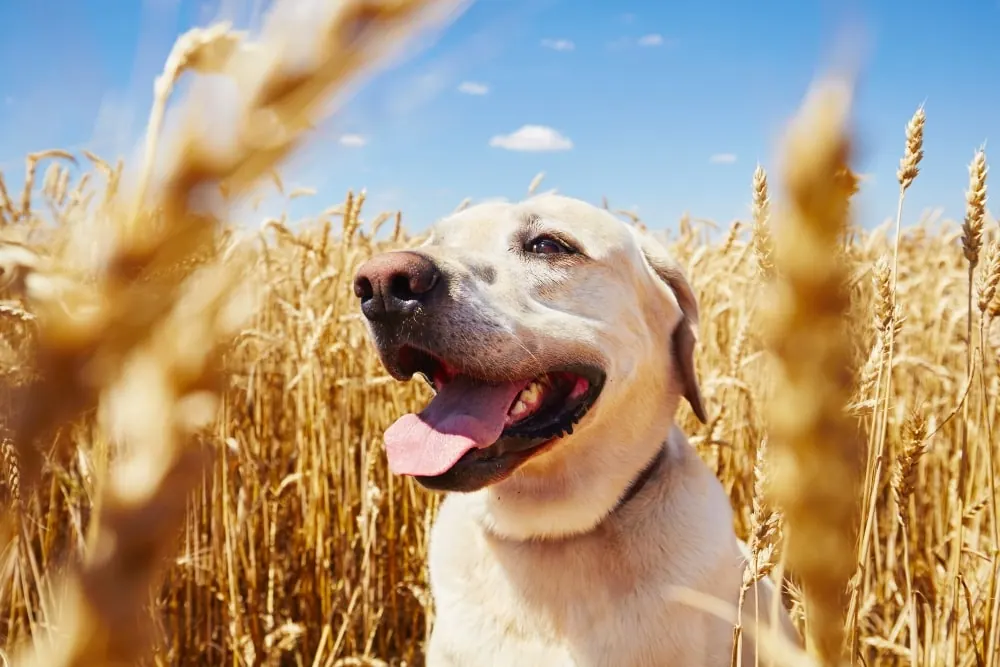
Gluten-free dog food is useful only if a veterinarian has a reason for it, such as a diagnosed food allergy or another specific medical plan. A true gluten allergy in dogs is uncommon. Grain-free is not the same as gluten-free, and neither label is automatically healthier for a typical dog. Some grain-free diets have been discussed in connection with diet-associated heart disease, so do not switch for marketing reasons alone. If your dog is itchy, has chronic ear infections, or has stomach trouble, get a workup rather than guessing that gluten is the cause.
Look for a complete-and-balanced statement as explained in the FDA guidance on complete and balanced pet food and AAFCO’s consumer guide to understanding pet food. The WSAVA Global Nutrition Guidelines are a useful higher-level reference when you are choosing a food.
For a related food question, see Free Dog Food Samples, Coupons, and Discounts: A Guide to Saving on Pet Care.
A complete, balanced food that fits your dog’s life stage is the default; see top dog food brands, hypoallergenic dog food guide, or best dry food for sensitive stomachs if your veterinarian is guiding a diet trial. Product examples later on this page may include grain-free formulas and should not be read as a proven gluten-free ranking. One mislabeled cat-food link was removed.
As an Amazon Associate, we earn from qualifying purchases.
As pet owners, we always strive to provide the best for our furry friends, and one crucial aspect of their well-being is their diet. In recent years, gluten-free dog food has become increasingly popular among pet owners who seek to enhance their pets’ overall health. This comprehensive guide will explore the benefits of gluten-free dog food, popular options available on the market, and tips for transitioning your dog to a gluten-free diet.
Understanding Gluten and Its Impact on Dogs
Gluten is a protein found in wheat, barley, and rye. While it is a common ingredient in many commercial dog foods, not all dogs can tolerate it well. Some dogs may have gluten sensitivity or intolerance, which can lead to various health issues. Symptoms of gluten sensitivity in dogs may include:
- Chronic diarrhea or constipation
- Frequent gas or bloating
- Itchy skin or rashes
- Hair loss
- Lethargy
- Weight loss
If your dog exhibits any of these symptoms, it might be beneficial to consider a gluten-free diet.
Popular Gluten-Free Dog Food Options
There are several high-quality gluten-free dog food brands available on the market. Here are a few popular options:
1. Blue Buffalo Wilderness
Blue Buffalo Wilderness offers a range of grain-free and gluten-free dog foods that are high in protein and made with real meat. Their recipes include wholesome fruits and vegetables, ensuring a balanced diet for your pet.
2. Taste of the Wild
Taste of the Wild provides grain-free and gluten-free dog food options inspired by the ancestral diet of dogs. Their formulas feature real roasted meats, legumes, and fruits, offering a nutrient-rich and highly digestible diet.
Check price on Amazon: Taste of the Wild High Prairie Puppy Dry Dog Food, Roasted Bison, 28lb
3. Merrick Grain-Free
Merrick Grain-Free dog foods are crafted with deboned meat as the first ingredient, along with fresh produce. Their gluten-free recipes are designed to support overall health and vitality.
Check price on Amazon: Merrick Lil’ Plates Little Lamb Chop Stew Wet Dog Food, 3.5 oz Tub, 12 Ct
4. Canidae PURE
Canidae PURE offers limited-ingredient, grain-free, and gluten-free dog food options, making them ideal for dogs with food sensitivities. Their recipes include high-quality proteins and simple ingredients for easy digestion.
Transitioning Your Dog to a Gluten-Free Diet
Switching your dog to a gluten-free diet should be done gradually to avoid digestive upset. Here are some tips for a smooth transition:
1. Consult Your Veterinarian
Before making any dietary changes, consult your veterinarian to ensure a gluten-free diet is appropriate for your dog. They can provide guidance based on your dog’s specific health needs.
2. Gradual Transition
Start by mixing a small amount of gluten-free dog food with your dog’s current food. Gradually increase the proportion of gluten-free food over 7-10 days until your dog is fully transitioned.
3. Monitor for Reactions
Observe your dog for any signs of adverse reactions during the transition period. If you notice any negative symptoms, consult your veterinarian immediately.
4. Provide Plenty of Water
Ensure your dog has access to fresh water at all times, especially during the transition period, to support their digestive health.
5. Be Patient
Some dogs may take longer to adjust to a new diet. Be patient and give your dog time to adapt to the gluten-free food.
Choosing the right diet for your dog is essential for their health and well-being. Gluten-free dog food can provide numerous benefits, especially for dogs with gluten sensitivities. By understanding the impact of gluten, exploring popular gluten-free options, and following a gradual transition plan, you can help your dog enjoy a healthier, happier life.


