How to Find the Best Cat Litter: What Your Cat Will Actually Use
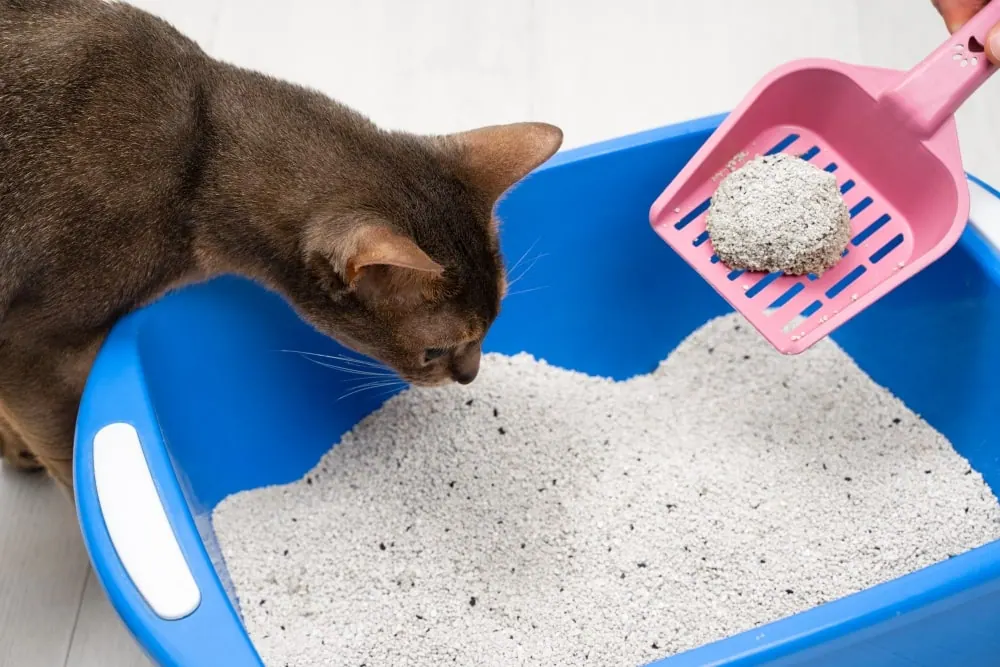
The “best” cat litter is the one your cat will use, that you can keep clean, and that fits your home. Clumping clay, silica, and various biodegradable options can all work. Many cats prefer unscented litter and a box that is easy to enter. Scented or dusty litters can put some cats off, and a sudden change of type can lead to accidents. If a previously reliable cat starts avoiding the box, think about cleanliness, pain, and stress, and call your veterinarian if the change is sudden or the cat is straining.
For general feline health context, the Merck Veterinary Manual cat-owner pages are a reliable starting point, and your veterinarian should guide individual decisions.
Related reading: How to Find a Lost Cat.
Litter type is only part of the setup. Most households do well with at least one box per cat, plus one extra, in a quiet spot. For more on the box itself, see our guide on how to choose a cat litter box.
As an Amazon Associate, we earn from qualifying purchases.
Finding the best cat litter for your feline friend can be a surprisingly complex task. With an array of options available on the market—clumping, non-clumping, silica gel, recycled paper, wood, and even corn-based litters—it’s essential to understand the pros and cons of each type to make an informed decision that suits both your lifestyle and your cat’s preferences. This guide will walk you through the different aspects of cat litter to help you choose the perfect one for your home.
Understanding Different Types of Cat Litter
Clumping Clay Litter
Clumping clay litter is one of the most popular choices among cat owners due to its ease of use and effectiveness in controlling odors. Made primarily from bentonite clay, this type of litter quickly absorbs moisture and forms tight clumps that can be easily scooped out, leaving the rest of the litter box clean. However, it’s important to note that clay litter can be dusty and may not be the best choice for cats with respiratory issues.
See top-rated Clumping Clay Litter on Amazon
Non-Clumping Clay Litter
Non-clumping clay litter is made from clays other than bentonite and does not form clumps. It is generally cheaper than clumping litter but needs to be changed more frequently. Non-clumping litter is less effective at controlling odors and can be more labor-intensive since the entire litter box needs to be cleaned regularly.
See top-rated Non-Clumping Clay Litter on Amazon
Silica Gel Litter
Silica gel litter, made from silica dioxide sand, crystalizes moisture and controls odors effectively. It’s a non-clumping litter but is known for its high absorbency and can last longer than traditional clay litters. The clear crystals change color after absorbing moisture, indicating when a change is needed. While it’s dust-free and good for cats with allergies, its higher price point and the feel of the crystals can be off-putting for some cats.
See top-rated Silica Gel Litter on Amazon
Biodegradable Litters
For environmentally-conscious cat owners, biodegradable litters made from materials like recycled paper, wood, corn, or wheat offer a sustainable option. These litters are typically dust-free and good for cats with allergies. They can come in both clumping and non-clumping varieties and are compostable. However, they may require more frequent changing and might not control odors as effectively as clay or silica gel litters.
See top-rated Biodegradable cat Litter on Amazon
Factors to Consider When Choosing Cat Litter
Odor Control
Odor control is crucial when choosing cat litter. Some litters have added fragrances to mask odors, while others are formulated to neutralize them. It’s essential to consider how sensitive your cat is to fragrances, as some cats may avoid the litter box if they find the scent unpleasant.
Absorbency and Clumping
High absorbency and effective clumping are important features that can greatly ease the maintenance of the litter box. Clumping litters make it easy to remove waste, whereas highly absorbent litters reduce the frequency of changing the entire box.
Dust and Tracking
If you or your cat have respiratory issues, a low-dust litter is essential. Additionally, some litters tend to stick to a cat’s paws and can be tracked around the house. Choosing a pellet-based or larger granule litter can help reduce tracking.
Cat Comfort and Preferences
Ultimately, the best litter is one that your cat will use consistently. Cats can be particular about the texture and smell of their litter. It may take some trial and error to find a litter that your cat is comfortable with. Offering a few different types in separate litter boxes can help determine your cat’s preference.
Summary
Finding the right cat litter involves balancing the needs and preferences of your cat with practical considerations like odor control, maintenance, and health concerns. While there is no one-size-fits-all solution, understanding the different types and what each offers will help you make an informed decision. Remember, the best cat litter is one that your cat uses happily and allows you to maintain a clean and odor-free home.
By considering the different factors and types of cat litter discussed in this guide, you’re well on your way to finding the perfect litter solution for both you and your beloved feline friend.
Litter type also has to match the machine if you use an automatic box. Our self-cleaning litter boxes guide notes which designs want clumping clay and which use crystal trays.