How to Choose a Cat Litter Box: Size, Number, and a Spot Your Cat Will Use

A litter box your cat will actually use matters more than a stylish one. Most cats do well with a box that is easy to enter, scooped often, and placed in a quiet spot they can always reach. A common guideline is one box per cat, plus one extra. Covered, self-cleaning, or top-entry boxes can work for some cats and put others off. If a cat suddenly stops using the box, think about cleanliness, pain, and stress, and call your veterinarian if the cat is straining or urinating elsewhere.
For general feline health context, the Merck Veterinary Manual cat-owner pages are a reliable starting point, and your veterinarian should guide individual decisions.
Litter type matters too; see how to find the best cat litter. Indoor life is easier when the cat also has a good cat tree or best scratching posts for cats post, but those are not a substitute for a clean box.
As an Amazon Associate, we earn from qualifying purchases.
Choosing the right litter box for your cat is a critical decision that can significantly impact both your pet’s happiness and your satisfaction as a cat owner. With the plethora of options available on the market, it can be overwhelming to decide which one is best suited for your feline friend. This comprehensive guide aims to simplify the process, focusing on various factors such as size, design, ease of cleaning, odor control, and privacy preferences, ensuring you make an informed decision.
Understanding Your Cat’s Needs
Before diving into the specifics of litter box types, it’s essential to consider your cat’s individual needs. Age, size, and health status play significant roles in determining the most suitable litter box. For instance, kittens, senior cats, or those with mobility issues may benefit from boxes with lower sides for easy access.
Size Matters
One of the first considerations should be the size of the litter box. A good rule of thumb is that the box should be at least as long as your cat from nose to tail base and wide enough for them to turn around comfortably. Larger cats or households with multiple cats may require bigger or multiple boxes to accommodate their needs.
Types of Litter Boxes
Open Litter Boxes
The most common and affordable option, open litter boxes offer easy access for your cat and straightforward cleaning for you. However, they provide little to no odor control and minimal privacy, which may deter some cats.
See top-rated open litter box for cats on Amazon
Covered Litter Boxes
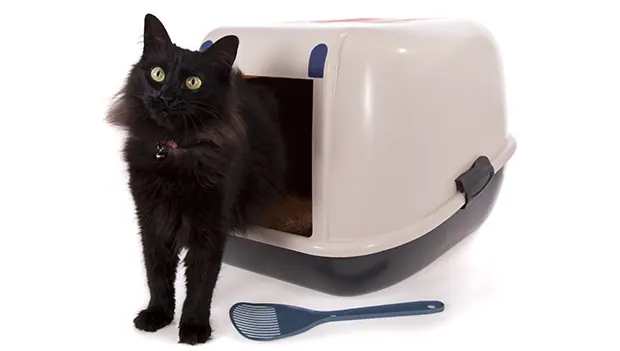
Covered boxes offer more privacy for your cat and help contain odors and litter scatter. However, not all cats like the enclosed space, and these types can be more challenging to clean.
See top-rated Covered Litter Boxes for cats on Amazon
Self-Cleaning Litter Boxes
Ideal for busy pet owners, self-cleaning litter boxes automate the cleaning process, significantly reducing maintenance time. They are, however, more expensive and may require your cat to adapt to the mechanism.
See top-rated Self-Cleaning Litter Boxes for cats on Amazon
Top-Entry Litter Boxes
Top-entry models can help reduce litter tracking and are great for dogs that like to explore the cat’s litter box. They’re not suitable for cats with mobility issues or larger cats that may struggle to enter and exit.
See top-rated Top-Entry Litter Boxes for cats on Amazon
Material and Ease of Cleaning
The material of the litter box not only affects durability but also ease of cleaning. Plastic is the most common material, offering a good balance between durability and cost. Regardless of material, choose a litter box with a non-stick coating or smooth interior to make scooping and cleaning less of a chore.
Odor Control
Odor control is a significant concern for many cat owners. While the type of litter plays a crucial role, the design of the litter box can also impact odor management. Enclosed boxes and those with filters can help contain smells, but they require regular cleaning and filter changes to be effective.
Privacy for Your Cat
Consider your cat’s preference for privacy when selecting a litter box. While some cats appreciate the seclusion of a covered box, others may feel trapped or anxious in enclosed spaces. Observing your cat’s behavior with different types of boxes can help determine their preference.
Location, Location, Location
Even the best litter box won’t be effective if it’s in the wrong place. Keep the litter box in a quiet, accessible location where your cat feels safe. Avoid placing it near loud appliances or in high-traffic areas of your home.
Multiple Cats, Multiple Boxes
In multi-cat households, the general rule is to have one litter box per cat, plus one extra. This helps prevent territorial disputes and ensures that each cat has access to a clean box at all times.
Final Thoughts
Choosing the right litter box for your cat is about balancing your pet’s needs with practical considerations such as space, budget, and maintenance. By understanding the different types of litter boxes available and considering your cat’s individual preferences and requirements, you can select a litter box that works well for both you and your feline friend. Remember, the right litter box can significantly enhance your cat’s comfort and well-being, making it a crucial aspect of pet care.
Finally, don’t be afraid to experiment. Cats can be particular about their litter boxes, and what works at one stage of their life may not work in another. Be willing to try different types and locations for the litter box until you find the perfect match for your cat.
By following these guidelines, you can ensure that your cat’s litter box is a welcoming and comfortable place for them to do their business, keeping both your cat happy and your home clean and odor-free.
If you want a product shortlist of automatic boxes rather than a placement and sizing guide, see our self-cleaning litter boxes guide. An automatic box still does not replace a veterinary visit if a cat stops using the box.