How to Potty Train a Dog: A Comprehensive Guide
We earn from qualifying Amazon purchases. It doesn't change what we recommend.
For training methods and foundation skills, the AKC expert advice on dog training is a trustworthy overview.
Potty training a dog is one of the most important tasks a pet owner faces. A well-trained dog is not only a joy to live with but also a well-behaved member of the family. This guide will take you through the process of potty training your dog step-by-step, ensuring a smooth and successful experience for both you and your furry friend.
Understanding Your Dog’s Needs
Before you begin potty training, it is essential to understand your dog’s needs and natural behaviors. Puppies have small bladders and need to relieve themselves frequently. Typically, a puppy can hold its bladder for about one hour for each month of age. For example, a three-month-old puppy can usually wait for three hours before needing a potty break.
Establishing a Routine
Routine is crucial for successful potty training. Dogs thrive on consistency, and establishing a regular schedule helps them understand when and where they should eliminate. Here are some key points to consider:
- Feeding Schedule: Feed your dog at the same times each day. This will regulate their digestive system and make potty breaks more predictable.
- Regular Potty Breaks: Take your dog outside frequently, especially after meals, naps, and playtime. Aim for at least every two hours.
- Nighttime Breaks: Puppies may need to go out during the night. Set an alarm if necessary to take them outside.
Choosing a Potty Spot
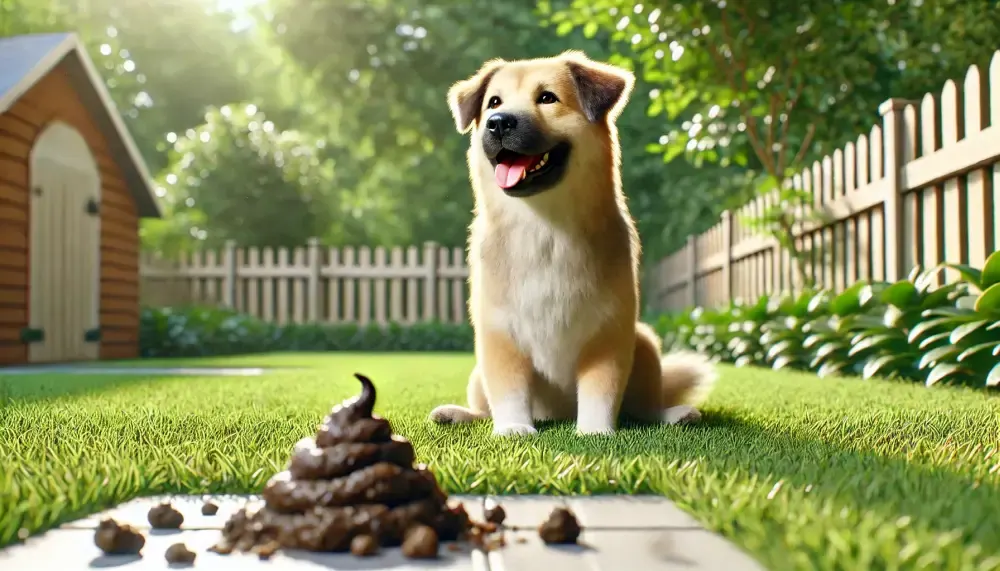
Designate a specific spot in your yard where you want your dog to eliminate. The consistent use of the same area will help your dog associate that spot with potty time. When you take your dog to this spot, use a command such as “go potty” to reinforce the behavior.
Positive Reinforcement
Positive reinforcement is one of the most effective training techniques. When your dog successfully eliminates in the designated spot, immediately praise them and offer a treat. This positive association will encourage them to repeat the behavior. Avoid punishment, as it can create fear and confusion, hindering the training process.

Crate Training
Crate training can be an invaluable tool in potty training. Dogs naturally avoid soiling their sleeping area, so a crate can help teach them to hold their bladder until they are taken outside. Here are some tips for successful crate training:
- Choose the Right Crate: The crate should be large enough for your dog to stand, turn around, and lie down comfortably, but not so large that they have space to eliminate in one corner.
- Introduce the Crate Gradually: Make the crate a positive space by placing treats and toys inside. Encourage your dog to enter the crate willingly and gradually increase the time they spend inside.
- Use the Crate for Short Periods: In the beginning, use the crate for short periods, gradually increasing the duration as your dog becomes more comfortable. Always take your dog outside to eliminate immediately after releasing them from the crate.
Supervision and Management
Until your dog is fully potty trained, constant supervision is essential to prevent accidents. Keep your dog in the same room as you, and watch for signs that they need to go outside, such as sniffing, circling, or whining. If you cannot supervise your dog, confine them to a crate or a small, dog-proofed area.
Dealing with Accidents
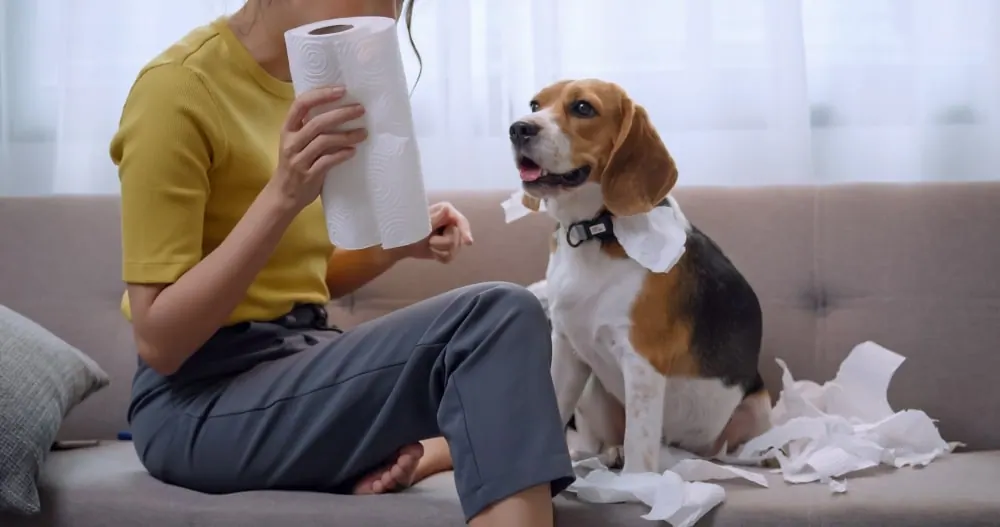
Accidents are a natural part of the potty training process. When they occur, it is important to handle them calmly and appropriately:
- Interrupt and Redirect: If you catch your dog in the act, interrupt them with a firm “no” and immediately take them outside to their designated potty spot.
- Clean Thoroughly: Use an enzymatic cleaner to remove any traces of urine or feces from accident sites. This will eliminate the scent and reduce the likelihood of repeat incidents.
- Avoid Punishment: Do not punish your dog for accidents. This can create fear and anxiety, making training more difficult. Focus on positive reinforcement and consistency instead.
Patience and Consistency
Potty training takes time and patience. Every dog is different, and some may take longer to train than others. Consistency is key—stick to your routine, reinforce positive behavior, and remain patient. Celebrate small successes and understand that setbacks are normal.
Common Challenges and Solutions
Regression
It is not uncommon for dogs to experience regression during potty training. If your dog starts having accidents after a period of success, reassess your routine and ensure you are providing enough opportunities for potty breaks. Increase supervision and reinforce positive behavior.
Submissive Urination
Some dogs may urinate when they are excited or scared. This is known as submissive urination and is typically seen in young puppies. To address this behavior, avoid situations that trigger anxiety, greet your dog calmly, and provide positive reinforcement for appropriate behavior.
Marking
Male dogs, especially those who are not neutered, may mark their territory by urinating indoors. Neutering can reduce this behavior, and training techniques such as redirecting and reinforcing appropriate elimination can help.
Advanced Tips for Potty Training
Bell Training
Some dog owners find success with bell training. Hang a bell by the door and ring it each time you take your dog outside. With repetition, your dog will learn to ring the bell to signal that they need to go out.
Doggy Door
If you have a secure yard, a doggy door can provide your dog with independent access to the outdoors. Ensure your dog is fully potty trained and understands the appropriate potty area before introducing a doggy door.
Potty training a dog requires dedication, patience, and consistency. By understanding your dog’s needs, establishing a routine, and using positive reinforcement, you can successfully potty train your furry friend. Remember to be patient and celebrate progress, no matter how small. With time and effort, your dog will become a well-trained and valued member of your family.