Crate Training a Puppy: A Safety Tool, Not a Punishment or All-Day Plan
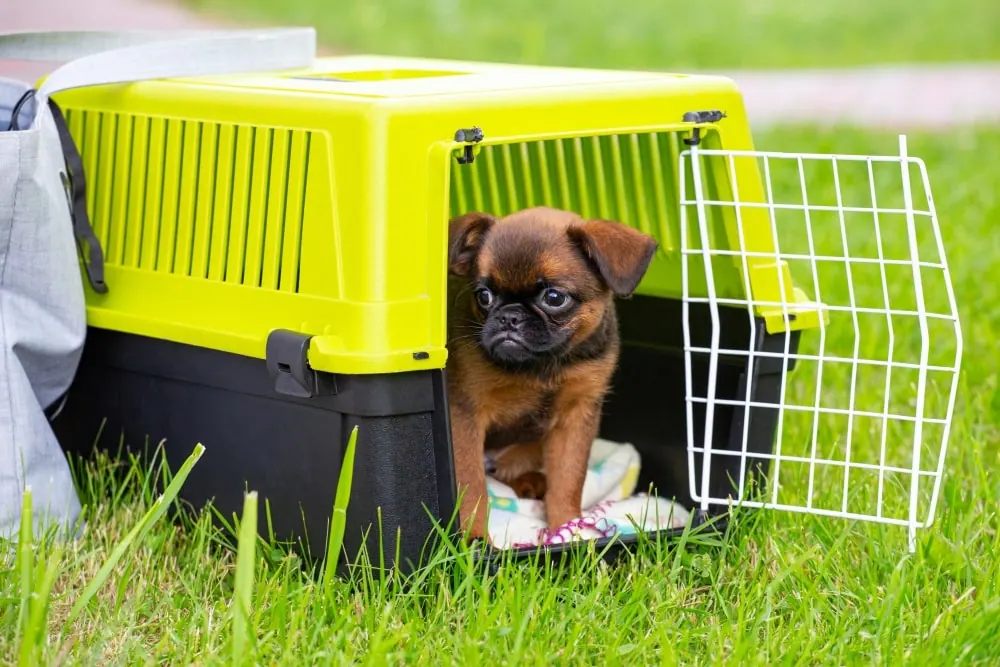
Crate training can be a useful management and safety tool for a puppy, but it is not a punishment and it is not a place to leave a pup for long workdays. A crate should be large enough for the puppy to stand, turn, and lie down, and it should be introduced gradually with short, positive sessions. House-training takes consistency and scheduled bathroom breaks, not just a crate. If a puppy panics, injures themselves, or cannot settle, stop and change the plan; some puppies need a different setup or help from a trainer or veterinarian.
A correctly sized crate with a divider is also one of the more useful gifts you can give a new puppy owner. We included the MidWest 36-inch iCrate in our gifts for a new puppy or kitten owner guide.
For training methods and foundation skills, the AKC expert advice on dog training is a trustworthy overview.
Digging is often a job or an outlet, not spite; see 10 reasons dogs dig.
A chew or a best puppy teething toys toy can make short crate time easier, and a comfortable bed nearby for when the crate is open gives the puppy another rest spot. Never use the crate to “teach a lesson,” and never leave a collar that can catch on the crate door.
Bringing a new puppy into your home is an exciting and joyous occasion, but it also comes with its share of challenges. One of the most effective ways to ensure a smooth transition for both you and your new furry friend is through crate training. This method not only helps in housebreaking your puppy but also provides them with a safe and comfortable space to retreat to. In this article, we will explore the benefits of crate training, provide a step-by-step guide, and share tips to make the process as stress-free as possible.
Step-by-Step Guide to Crate Training
Crate training requires patience and consistency. Follow these steps to ensure a positive experience for your puppy:
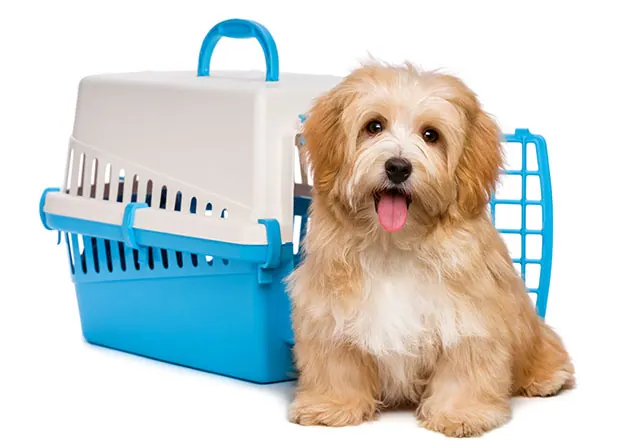
- Introduce the Crate Gradually: Place the crate in a high-traffic area of your home where your family spends a lot of time. Make it inviting by placing a soft blanket and some toys inside. Allow your puppy to explore the crate at their own pace without forcing them inside.
- Associate the Crate with Positive Experiences: Encourage your puppy to enter the crate by placing treats and their favorite toys inside. Praise and reward them when they go in voluntarily. You can also feed your puppy their meals inside the crate to create a positive association.
- Start with Short Periods: Once your puppy is comfortable entering the crate, close the door for short periods while you are in the same room. Gradually increase the duration as they become more comfortable.
- Extend Crate Time: Begin leaving the room for short periods while your puppy is in the crate. Gradually increase the time you are away, ensuring your puppy remains calm and relaxed.
- Crate at Night: Place the crate in your bedroom at night so your puppy can feel your presence. This helps reduce anxiety and encourages them to sleep through the night.
- Establish a Routine: Create a consistent schedule for crate time, potty breaks, playtime, and meals. Puppies thrive on routine, and this consistency will aid in their overall training.
Tips for Successful Crate Training
- Be Patient: Crate training takes time and patience. Avoid rushing the process or forcing your puppy into the crate, as this can create negative associations.
- Avoid Using the Crate as Punishment: Never use the crate as a form of punishment. The crate should always be a positive and safe space for your puppy.
- Limit Crate Time: Puppies should not be left in the crate for extended periods. Follow the rule of thumb: a puppy can stay in the crate for their age in months plus one hour. For example, a 3-month-old puppy should not be crated for more than 4 hours at a time.
- Provide Plenty of Exercise and Mental Stimulation: Ensure your puppy receives enough physical exercise and mental stimulation outside of crate time. A tired puppy is more likely to settle down and relax in the crate. A stuffed toy and a few tiny training treats can also help the crate predict good things, as long as you supervise chews and do not leave worn toys behind.
- Watch for Signs of Anxiety: If your puppy shows signs of anxiety or distress, such as excessive whining, barking, or attempting to escape, take a step back in the training process. Gradually reintroduce crate time in smaller increments.
Common Crate Training Challenges and Solutions
Whining and Barking: It’s normal for puppies to whine or bark when first introduced to the crate. However, it’s important not to give in to their demands. Wait for a moment of silence before letting them out to avoid reinforcing the behavior. If the whining continues, check if they need to go outside for a potty break.
Resistance to Entering the Crate: If your puppy resists entering the crate, try using high-value treats or a favorite toy to entice them inside. Never force them in, as this can create fear and anxiety.
Accidents in the Crate: If your puppy has an accident in the crate, clean it thoroughly to remove any odor. Ensure the crate is not too large, as this can encourage elimination in one corner. Stick to a consistent potty schedule and provide ample opportunities for your puppy to relieve themselves outside.
Crate training a puppy is a valuable investment in their well-being and your peace of mind. By providing a safe and secure space for your puppy, you are helping them develop good habits and a sense of security. Remember, patience and consistency are key to successful crate training. With the right approach, your puppy will come to see their crate as a cozy and comforting den, making it an essential part of their daily routine.
By following these guidelines and tips, you can create a positive crate training experience for your puppy, setting the foundation for a happy and well-adjusted companion.
If you still need to buy the crate itself, our guide to the best dog crates covers wire and plastic options, sizing, and why a typical household crate is not crash protection.
A doorway barrier is a different tool from a crate. Our dog gates guide covers extra-tall walk-through gates and why a pressure-mounted gate should not go at the top of the stairs.
If you want more room than a crate for short, supervised periods, see our dog playpens guide for metal exercise pens by height and door style.
FAQ
Choosing the Right Crate
Pick a crate the puppy can stand, turn, and lie down in, with a divider if you need to keep the space from being so large that the puppy toilets at one end. A sturdy crate that cannot collapse on the dog is more important than a stylish one. Plastic, wire, and fabric crates all have a place; fabric is a poor choice for a determined chewer. Never leave a collar that can catch on the door, and do not use the crate as punishment.
As an Amazon Associate, we earn from qualifying purchases.