Fresh Dog Food vs. Kibble: Both Can Be Complete, Fresh Isn’t Automatically Longer Life
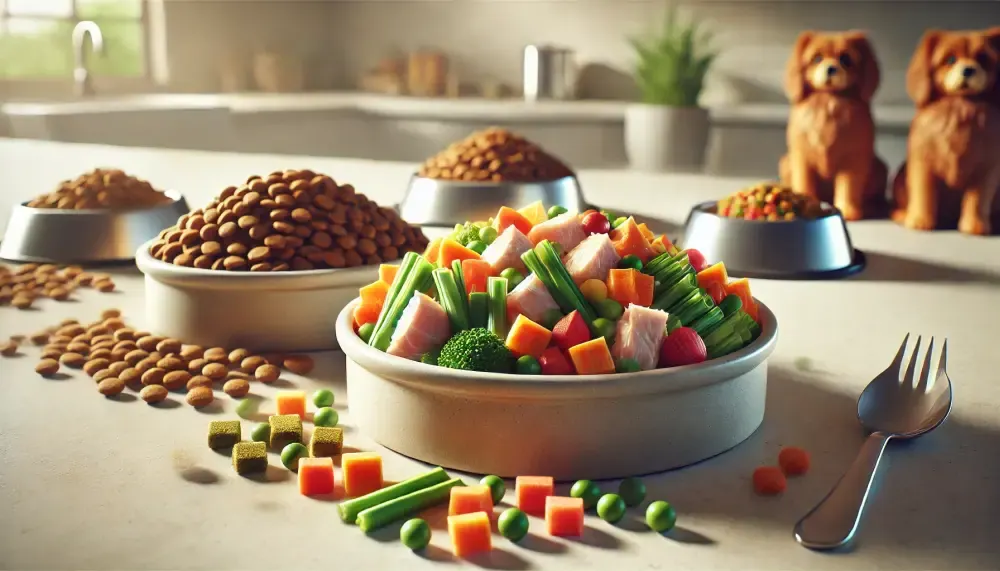
Fresh dog food and kibble can both be complete and balanced. Fresh is not automatically a longer-life diet, and kibble is not automatically “junk.” What matters is whether the food meets recognized nutrient standards for your dog’s life stage, whether your dog maintains a healthy weight on it, and whether you can store and serve it safely. Fresh and lightly cooked foods can be palatable and easy to digest for some dogs, but they often cost more, need refrigeration, and still have to be complete. Kibble is convenient and can also be a well-formulated diet.
Considering more protein? Read high-protein dog food: who needs it.
Look for a complete-and-balanced statement as explained in the FDA guidance on complete and balanced pet food and AAFCO’s consumer guide to understanding pet food. The WSAVA Global Nutrition Guidelines are a useful higher-level reference when you are choosing a food.
For a related food question, see Is Wet Dog Food Better Than Dry? Both Can Be Complete.
Dehydrated food is another complete format besides fresh and kibble; see our guide to the best dehydrated dog food.
A mixed plan, such as kibble with a complete wet or fresh topper, can work if the overall diet stays balanced and calories are counted. See wet vs dry dog food guide, top dog food brands, and best dog food toppers. If your dog has a medical condition, ask your veterinarian before you switch.
As pet owners, ensuring our dogs receive the best nutrition is a top priority. Over recent years, the pet food market has seen a rise in fresh dog food options, often touted as healthier alternatives to traditional kibble. But is fresh dog food genuinely better than kibble? Let’s break down the pros and cons of both options to help you make an informed decision for your furry friend.
| Category | Fresh Dog Food (Pros) | Fresh Dog Food (Cons) | Kibble (Pros) | Kibble (Cons) |
|---|---|---|---|---|
| Nutritional Value | High nutritional content, minimally processed, more bioavailable nutrients. | Requires refrigeration, spoils faster. | Balanced nutrition, long shelf life, fortified with essential nutrients. | Highly processed, some nutrients lost in heat treatment. |
| Digestibility | Easier to digest, fewer allergens, better nutrient absorption. | Not as convenient for busy owners. | Convenient for busy owners, easily stored in bulk. | May contain fillers, harder to digest for sensitive dogs. |
| Convenience | Tailored meals, fresh ingredients. | Can be pricey, especially for large dogs or multiple pets. | Affordable, available in different price points and sizes. | Less tailored, can be too generic for some dogs. |
| Cost | Promotes overall health, potentially reduces risk of chronic illnesses. | Time-consuming preparation, requires freezer or fridge space. | No refrigeration needed, ready to serve. | Can lead to weight gain or digestive issues in sensitive dogs. |
| Health and Longevity | Improved energy, coat condition, and digestion. | Shorter shelf life, may not be as accessible. | Widely available and budget-friendly. | Lower nutritional value, potential for lower quality ingredients. |
Nutritional Value: A Key Comparison
Fresh Dog Food:
Fresh dog food is often made with whole ingredients like real meats, vegetables, and grains, closely resembling the foods humans eat. One of the primary benefits of fresh food is its high nutritional content. These meals are minimally processed, preserving essential nutrients such as vitamins, minerals, and proteins. The fresher ingredients mean dogs get more bioavailable nutrients, which can enhance their overall health, energy levels, and coat condition.
Kibble:
Kibble, on the other hand, is highly processed, which may lead to a reduction in the nutritional value of the ingredients. Most kibble recipes are heat-treated, causing some nutrient loss, particularly vitamins and enzymes. However, kibble brands often supplement their recipes with added nutrients to meet the dietary requirements for dogs. While kibble provides balanced nutrition, its heavily processed nature may not offer the same level of quality or digestibility as fresh dog food.
Digestibility and Absorption: How Does Your Dog’s Body Respond?
Fresh Dog Food:
Fresh dog food, due to its minimal processing, is typically easier for dogs to digest. The natural form of the ingredients allows for better absorption of nutrients, leading to fewer digestive issues such as bloating, gas, or diarrhea. Additionally, dogs on fresh diets often experience fewer allergies and sensitivities due to the limited use of fillers and artificial additives.
Kibble:
While many dogs tolerate kibble well, some may struggle with digesting it, particularly if they have food sensitivities. Kibble often contains fillers like corn, soy, or wheat, which can be hard for some dogs to break down. These fillers can lead to gastrointestinal discomfort or allergic reactions in sensitive dogs. However, kibble can still be a practical choice for dogs with strong digestive systems, as it is fortified with essential nutrients and is readily available.
Convenience: Fresh Dog Food vs. Kibble
Fresh Dog Food:
Fresh food usually comes in pre-portioned, refrigerated packs, which means it requires storage space in your fridge or freezer. While this ensures the food’s freshness, it also means more effort for pet owners. Preparing fresh dog food involves thawing and serving meals on time, which may not be ideal for those with busy schedules. Moreover, fresh food can spoil quickly if not stored correctly.
Kibble:
Kibble is the more convenient option between the two. It has a long shelf life, requires no refrigeration, and can be easily stored in bulk. Pet owners can simply scoop out a portion and feed their dog without any preparation. This convenience is often a major selling point for busy individuals. Kibble also comes in a variety of flavors, sizes, and price points, making it a versatile choice for different dog breeds and dietary needs.
Cost Comparison: Fresh Dog Food Can Be Pricey
Fresh Dog Food:
One of the significant drawbacks of fresh dog food is its price. Because it’s made with high-quality, fresh ingredients and typically delivered to your door, fresh dog food can cost considerably more than kibble. If you have a large dog or multiple pets, the cost can quickly add up. However, many dog owners feel the benefits in terms of health and longevity justify the extra expense.
Kibble:
Kibble is usually the more affordable option, available at various price points depending on the quality of ingredients. Even high-end kibble brands tend to be more budget-friendly than fresh dog food. This makes kibble a viable option for those looking to provide their dog with balanced nutrition without breaking the bank.
Health and Longevity: Does Fresh Food Make a Difference?
Fresh Dog Food:
Many pet owners report that switching to fresh dog food results in noticeable improvements in their dog’s overall health. Dogs on fresh diets often have shinier coats, healthier skin, more energy, and improved digestion. Long-term, fresh food could potentially lower the risk of chronic illnesses such as obesity, diabetes, and heart disease, making it a proactive choice for long-term health.
Kibble:
Kibble can provide dogs with the nutrients they need, but it may not have the same impact on health as fresh food. While good-quality kibble can help maintain a healthy lifestyle, it may not offer the same benefits for dogs prone to dietary issues or those in need of a more tailored approach. However, many dogs live long, healthy lives on kibble diets, so it ultimately depends on the individual dog and the quality of the kibble.
Which Should You Choose?
When deciding between fresh dog food and kibble, there’s no one-size-fits-all answer. Fresh dog food may be the superior option for dogs with sensitivities, dietary concerns, or those who thrive on minimally processed diets. Its higher digestibility and natural ingredients can lead to better overall health and vitality.
On the other hand, kibble is a convenient and budget-friendly option that still meets the nutritional needs of most dogs. If your dog is healthy, has no digestive issues, and you’re looking for convenience, kibble can be an excellent choice, especially with premium brands that use high-quality ingredients.
Whether you opt for fresh dog food or kibble, it’s essential to focus on the quality of the ingredients and the specific dietary needs of your dog. Some dogs thrive on fresh food, while others do perfectly well on kibble. Consulting your veterinarian can help you determine the best option for your pet’s individual needs, ensuring they lead a happy, healthy life.


