Dangerous Dog Breeds? Why a Simple List Is Misleading
No dog breed is dangerous in every individual, and no breed is automatically safe. Bite risk depends on the dog, the home, training, supervision, health, and the situation, not on a headline list. Some powerful breeds can cause more harm when a bite happens, which is why training, early socialization, and responsible ownership matter so much. Statistics used in “most dangerous breed” articles are often incomplete, and they should not be used to excuse a poorly managed dog or to condemn a well-cared-for one.
For official breed standards and typical traits, the AKC dog breed directory is a solid starting point.
We also discuss the ethics and limits of protection work in Attack Dogs: training, uses, and ethical considerations.
If you share your home with a Pit bull puppy, start with a complete growth diet; our Pit bull puppy food guide is a more useful next read than a breed-reputation list.
A family pet should not be trained to attack. If you are reading about so-called dangerous or protection breeds, our protection-dog guide explains why temperament, training, and legal responsibility matter more than a fierce reputation.
If you live with a strong breed, invest in training and management, and be honest about whether you can provide them. A family pet should not be taught to attack people. For household fit, see best indoor dog breeds rather than a fear-based ranking, and give the dog an outlet with best dog toys guide and structured work.
When discussing “dangerous” dog breeds, it’s crucial to approach the topic with sensitivity and awareness. The label “dangerous” can often be misleading as it encompasses a range of behaviors and often depends significantly on the upbringing, training, and circumstances surrounding each individual dog. However, certain breeds are statistically more likely to be involved in incidents that result in injury or fatalities. This list delves into the characteristics of these breeds, explores the context behind their aggression, and provides advice on responsible ownership.
1. Pit Bull
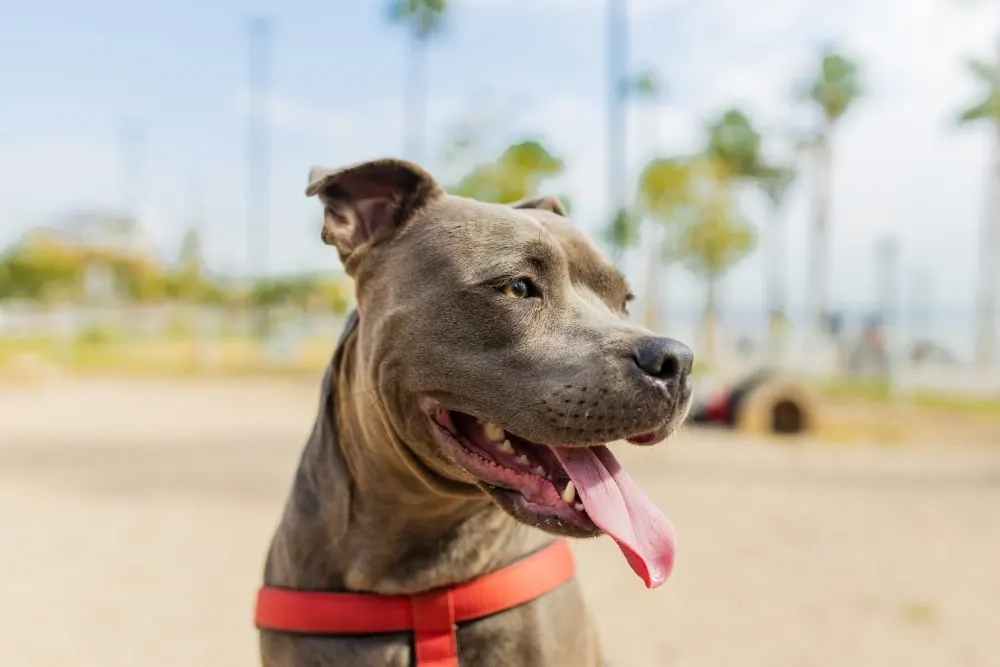
Pit Bulls often top lists of dangerous dog breeds due to their strong build and powerful jaw. Historically bred for bull-baiting and later as farm dogs, they are known for their incredible strength and resilience. The term “Pit Bull” actually encompasses several breeds and mixtures thereof, including the American Pit Bull Terrier, American Staffordshire Terrier, and Staffordshire Bull Terrier. It’s important to note that aggression in Pit Bulls can often be traced to irresponsible ownership, lack of socialization, and improper training.
2. Rottweiler
Rottweilers are large, muscular dogs known for their loyalty and protective instincts. They were originally bred to drive cattle and pull carts for farmers and butchers. Their strength and protective nature can make them formidable guard dogs. However, without proper training and socialization, these traits can result in aggressive and protective behaviors that may lead to dangerous situations.

3. German Shepherd
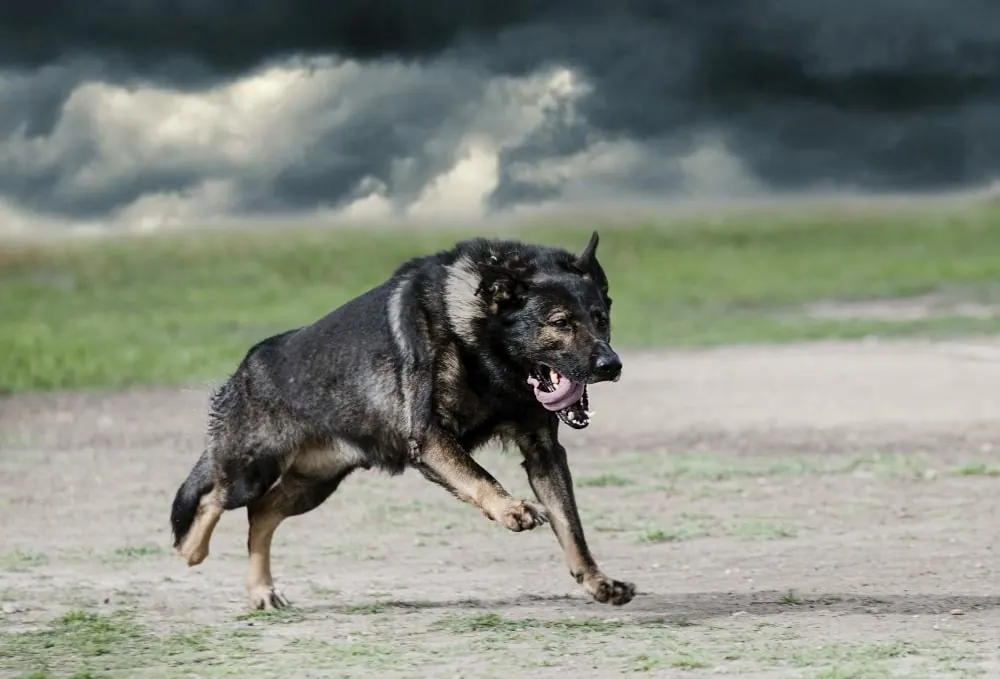
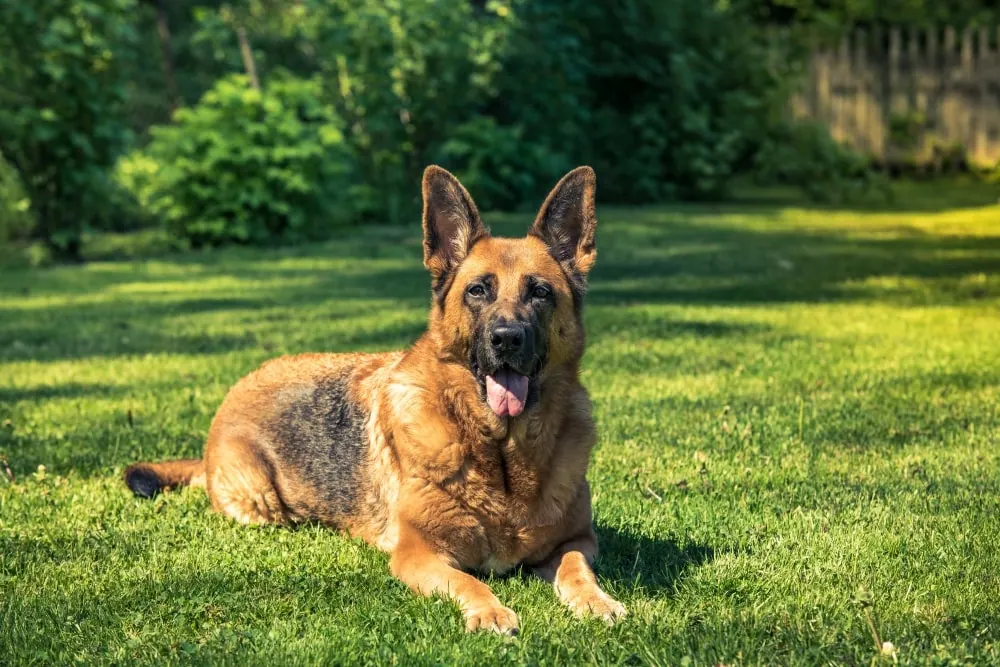
German Shepherds are highly intelligent and capable working dogs. They are frequently used in police and military roles around the world due to their agility, intelligence, and versatility. However, their protective instincts can sometimes translate into aggressive behavior, particularly if they are not socialized properly.
4. Doberman Pinscher
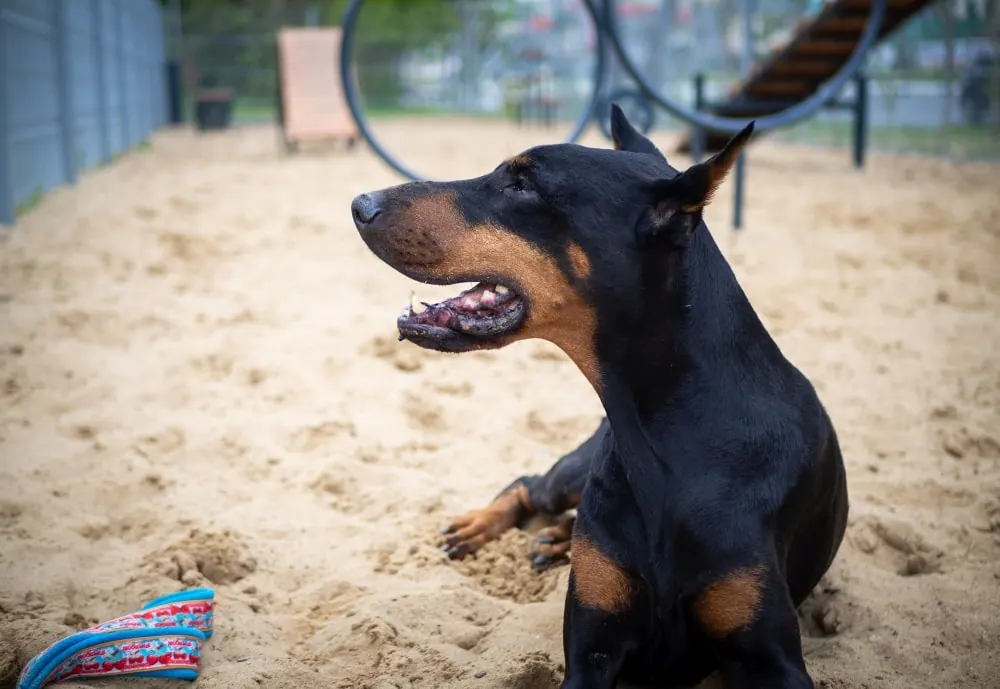
Doberman Pinschers are known for their alertness, loyalty, and intelligence. They were originally bred by a German tax collector for protection during his rounds. Their imposing presence and quick responsiveness make them excellent guard dogs, but without firm training and consistent leadership, they can become overly protective and aggressive.
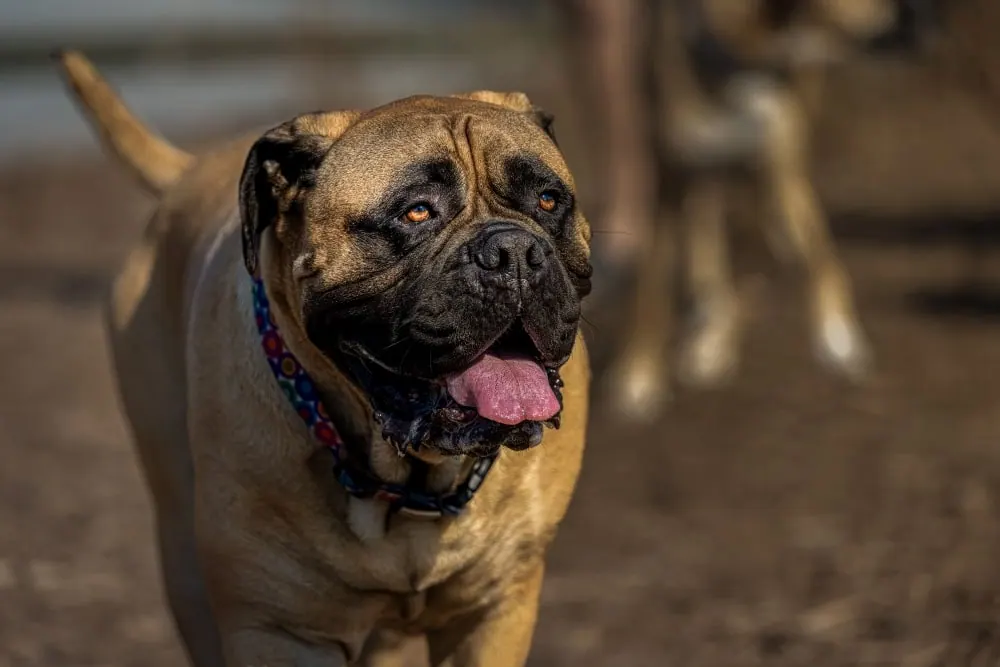
5. Bullmastiff
Bullmastiffs were bred by gamekeepers to aid in protecting estates from poachers. With their natural guard dog instincts and solid build, they are effective in warding off intruders. They are generally docile with their family but can be overtly protective and aggressive without comprehensive training and socialization.
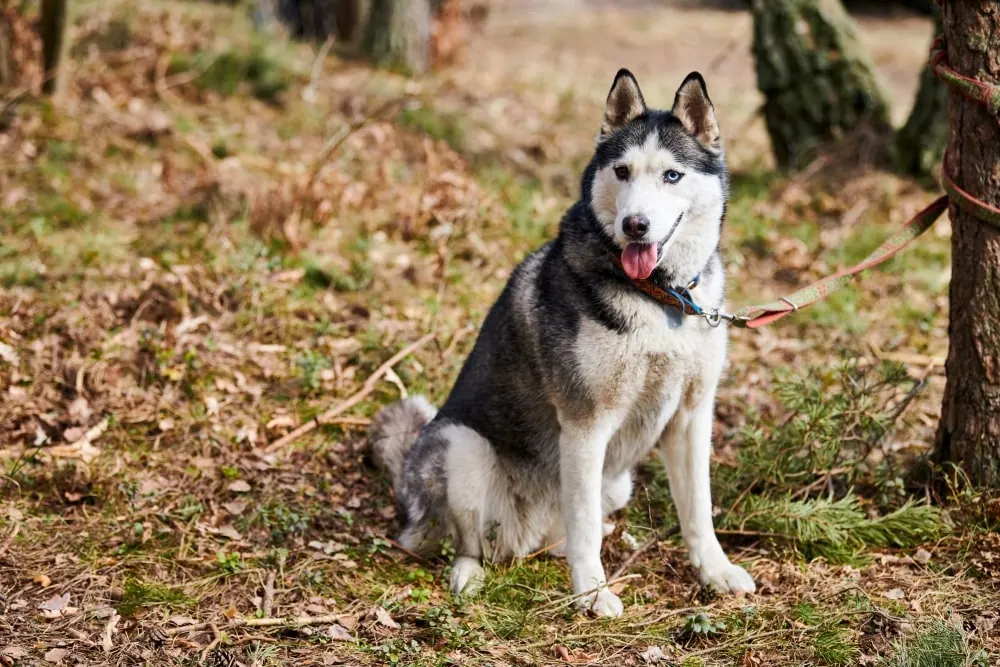
6. Siberian Husky
Siberian Huskies are known for their endurance and willingness to work. Often mistaken for their friendly and gentle nature, Huskies can be independent and sometimes challenging to train. Their high prey drive can lead to aggressive pursuits, which can be dangerous if not properly managed.
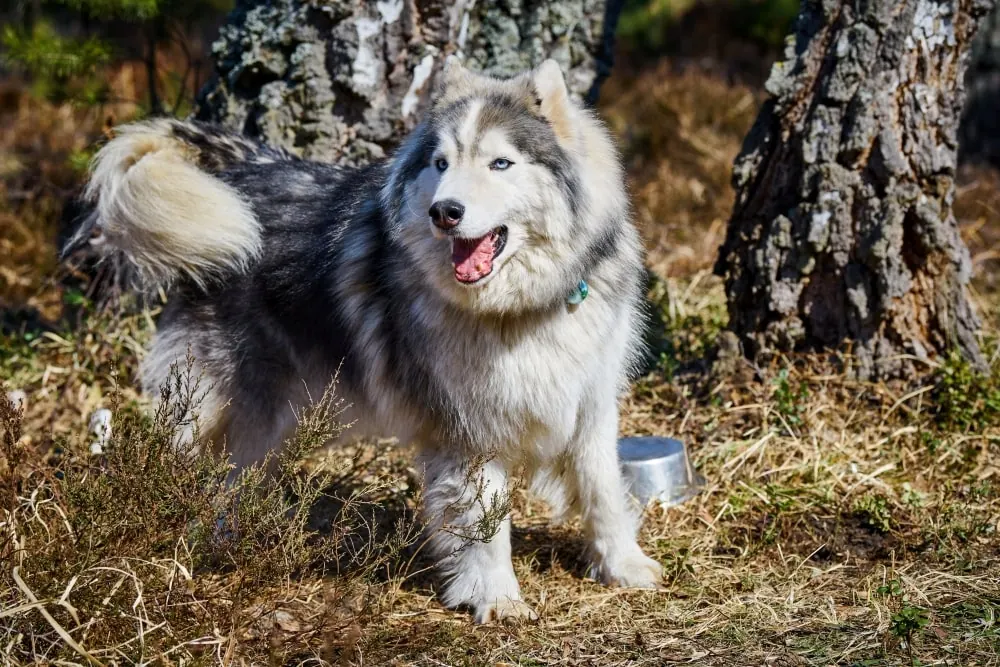
7. Alaskan Malamute
Similar to the Siberian Husky, the Alaskan Malamute is strong-willed and independent with a high prey drive. Originally bred for hauling heavy freight as a sled dog, the Malamute is robust and built for stamina. Without the right training, their dominance and strength can become problematic.
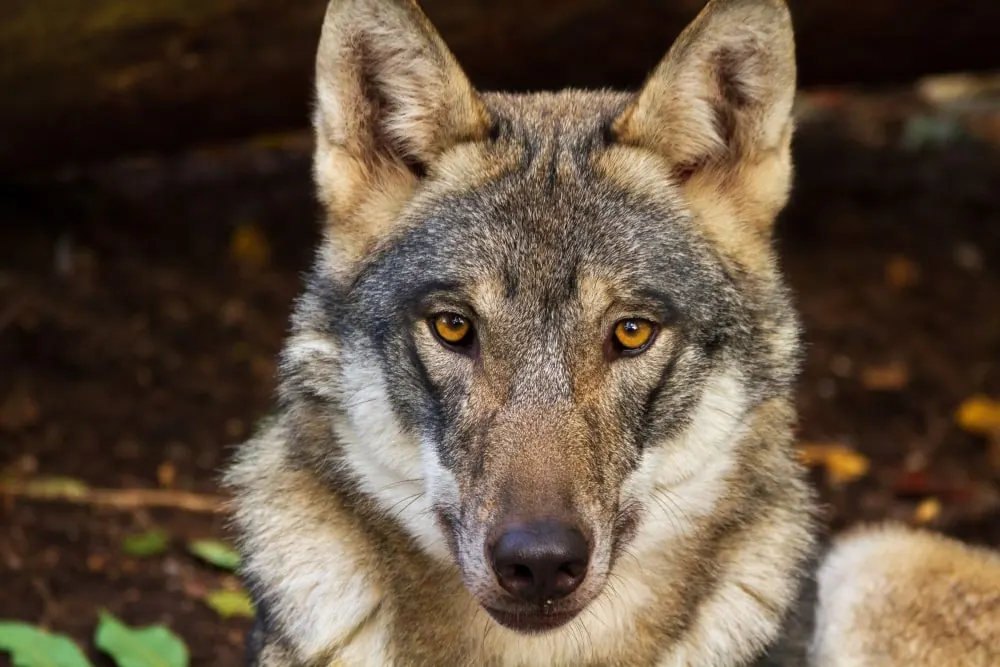
8. Wolf Hybrid
Wolf Hybrids are crossbreeds between wolves and domestic dogs. They carry genetic traits from both lineages, which can make their behavior unpredictable. Their wild nature can lead to aggressive tendencies, particularly if not raised in a consistent and controlled environment.
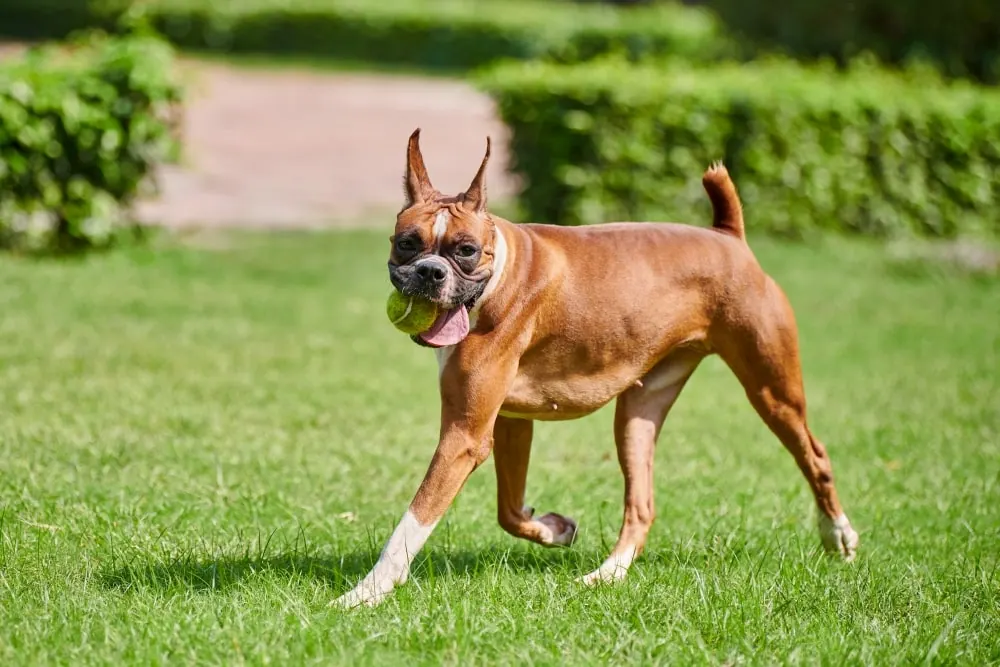
9. Boxer
Boxers are playful and energetic but can also be headstrong and stubborn. They were originally bred to be guard dogs and can be very protective of their families. Their energetic nature often requires careful management to avoid aggressive outbursts.
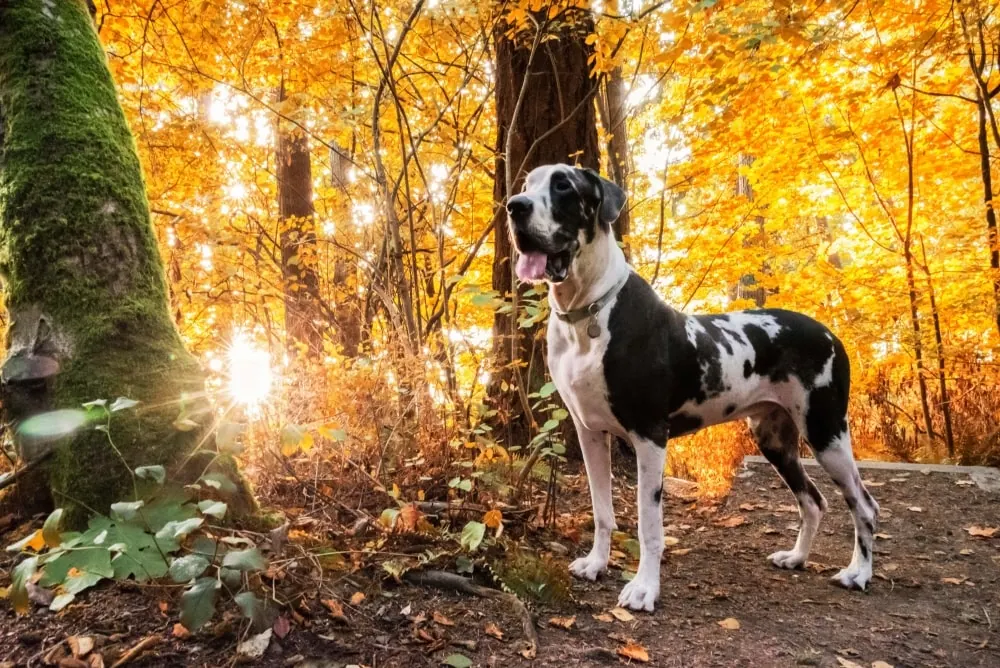
10. Great Dane
Great Danes, known for their enormous size and gentle nature, are called “gentle giants” but can be dangerous simply due to their strength and size. If not trained properly, they can inadvertently cause harm.
Summary
It’s important to remember that labeling a dog breed as “dangerous” can perpetuate misunderstandings and fear. All dogs, regardless of breed, can become loyal, loving family members with the right training, care, and socialization. Potential dog owners should consider their ability to meet the needs of the breed they choose, commit to responsible training, and provide a safe, nurturing environment. Awareness and education are key in preventing negative incidents involving dogs.