Can Dogs Eat Mushrooms?
If you are unsure whether a food is safe, the ASPCA’s list of people foods to avoid feeding pets is a reliable starting point, and a veterinarian or poison-control professional should be called if a pet already ate something questionable.
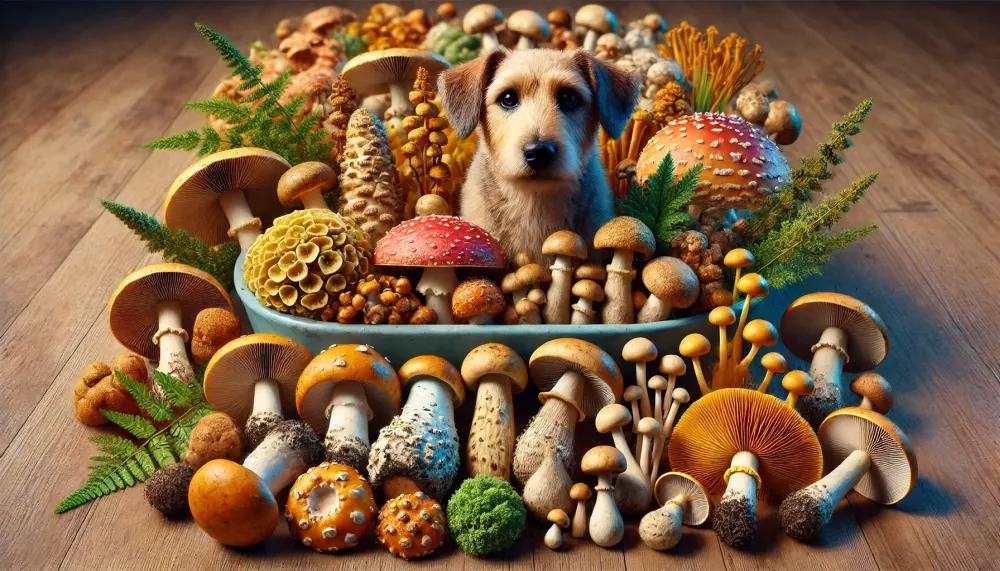
Mushrooms are a common ingredient in many human meals, but can dogs eat mushrooms too? The answer to this question is a bit more complicated than a simple “yes” or “no.” While some mushrooms are safe for dogs to eat, others can be highly toxic, even fatal. Understanding the difference between safe and unsafe mushrooms is essential for any dog owner who wants to keep their furry friend safe.
Safe Mushrooms for Dogs
Many mushrooms that are safe for humans are also safe for dogs when properly prepared and served in moderation. Some common edible mushrooms that dogs can eat include:
- Button mushrooms (Agaricus bisporus)
- Portobello mushrooms
- Shiitake mushrooms
- Cremini mushrooms
These mushrooms are widely used in cooking and generally pose no threat to dogs if given in small amounts. However, they should be cooked before being fed to dogs, as raw mushrooms can be difficult for their digestive systems to process.
When giving your dog mushrooms, make sure they are plain, free of seasonings, butter, garlic, or onions. These additives can be harmful to dogs, especially garlic and onions, which are toxic.
Toxic Mushrooms for Dogs
Wild mushrooms are where things get dangerous. Dogs are naturally curious creatures, and they may encounter mushrooms while playing outside, especially in wooded or grassy areas. Unfortunately, many wild mushrooms are highly toxic to dogs, and consuming them can lead to severe health problems or even death.
Some of the most dangerous mushrooms include:
- Amanita phalloides (Death Cap)
- Amanita muscaria (Fly Agaric)
- Galerina marginata (Deadly Galerina)
- Gyromitra species (False Morels)
- Inocybe species and Clitocybe dealbata (Small Brown Mushrooms)
The toxic effects of these mushrooms vary, but symptoms can range from vomiting, diarrhea, and lethargy to seizures, liver failure, and even death. It’s important to remember that mushroom toxicity is not limited to these species alone; many wild mushrooms can cause harm to your dog.
Symptoms of Mushroom Poisoning in Dogs
If your dog consumes a toxic mushroom, the symptoms can vary depending on the type of mushroom ingested and the quantity. Common symptoms of mushroom poisoning include:
- Vomiting
- Diarrhea
- Excessive drooling
- Tremors or seizures
- Lethargy or weakness
- Jaundice (yellowing of the eyes and skin)
- Abdominal pain
- Uncoordinated movements
In severe cases, dogs may experience liver or kidney failure, which can be fatal without immediate veterinary intervention. If you suspect your dog has eaten a wild mushroom, it’s crucial to act quickly.
What to Do if Your Dog Eats a Wild Mushroom
If you catch your dog in the act of eating a wild mushroom, or if you notice symptoms of mushroom poisoning, take the following steps:
- Remove your dog from the area: Prevent further ingestion by keeping your dog away from any more mushrooms.
- Try to identify the mushroom: Take a photo or carefully collect the mushroom in a plastic bag for identification purposes. This can help your veterinarian or a poison control expert determine the best course of treatment.
- Contact your veterinarian immediately: Time is critical when dealing with mushroom poisoning. Contact your vet or an emergency animal clinic right away. They may induce vomiting or administer activated charcoal to limit toxin absorption, depending on how recently the mushroom was consumed.
- Call a pet poison hotline: The ASPCA Animal Poison Control Center (888-426-4435) and the Pet Poison Helpline (855-764-7661) can provide you with immediate advice on how to proceed.
Benefits of Safe Mushrooms in a Dog’s Diet
When it comes to safe, store-bought mushrooms like button and portobello varieties, adding them to your dog’s diet can provide a few health benefits. Mushrooms contain essential nutrients like:
- Vitamins B and D: These vitamins support overall health, including energy production and immune system function.
- Antioxidants: Mushrooms are rich in antioxidants, which help protect cells from damage caused by free radicals.
- Fiber: The fiber content in mushrooms can support healthy digestion in dogs, aiding in proper bowel movements.
However, while mushrooms can offer nutritional value, they should only be served in moderation and should never replace a well-balanced diet. Overfeeding mushrooms can lead to gastrointestinal upset, and it’s important to introduce any new food to your dog gradually.
How to Safely Feed Mushrooms to Your Dog
If you want to share mushrooms with your dog, here are some guidelines to ensure it’s done safely:
- Cook mushrooms thoroughly: Cooking breaks down some of the harder-to-digest fibers, making mushrooms easier for your dog to consume.
- Avoid seasoning: Stick to plain mushrooms, free of salt, oils, garlic, or onions, as these can be toxic.
- Serve in moderation: Mushrooms should be considered a treat and not a primary component of your dog’s diet. A small amount mixed in with their regular food is more than enough.
- Monitor for allergic reactions: Some dogs may have sensitivities or allergies to mushrooms. After serving mushrooms for the first time, monitor your dog for signs of gastrointestinal distress or allergic reactions like itching or hives.
So, can dogs eat mushrooms? The answer is yes, but with caution. While store-bought mushrooms can offer some health benefits when served properly, wild mushrooms pose a significant risk to your dog’s health. Always keep an eye on your dog when they’re outdoors, especially in areas where mushrooms grow, and avoid feeding them wild mushrooms at all costs.
When in doubt, consult with your veterinarian before adding mushrooms or any new food to your dog’s diet. This way, you can ensure you’re making the best choices for your pet’s health and safety.
With the right knowledge, you can keep your dog safe and healthy, avoiding the dangers of mushroom toxicity while occasionally offering them the benefits of safe, edible varieties.


