Can Dogs Have Pineapple?
If you are comparing this with other extras, we also have a guide on Can Dogs Have Caviar?.
If you are unsure whether a food is safe, the ASPCA’s list of people foods to avoid feeding pets is a reliable starting point, and a veterinarian or poison-control professional should be called if a pet already ate something questionable.
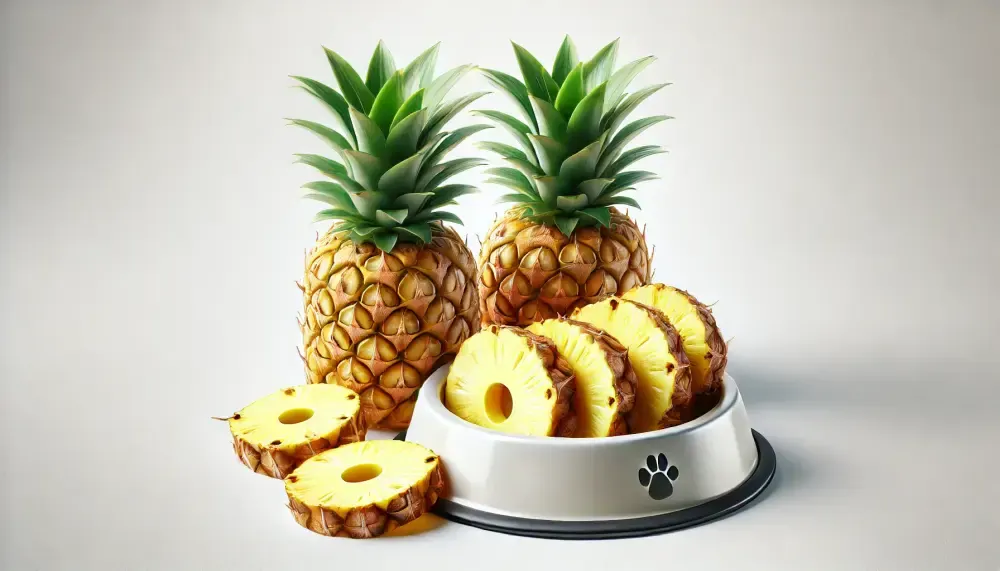
Many pet owners wonder if their dogs can enjoy the same fruits they love. One common question is, can dogs have pineapple? The answer is yes, dogs can eat pineapple in moderation! This tropical fruit offers various health benefits, but it’s essential to understand how to safely introduce it to your dog’s diet.
Benefits of Pineapple for Dogs
Pineapple is packed with nutrients that can be beneficial for dogs when fed properly. Some of the main advantages include:
1. Rich in Vitamins and Minerals
Pineapple is a rich source of vitamins such as vitamin C and B6, as well as essential minerals like manganese and copper. These vitamins help support your dog’s immune system, while manganese contributes to healthy bones and metabolism.
2. Aids Digestion
Pineapple contains bromelain, an enzyme known for aiding digestion and reducing inflammation. This can help dogs that occasionally suffer from digestive issues, although it’s important to serve the fruit in small quantities to avoid any gastrointestinal upset.
3. High in Fiber
The fiber content in pineapple helps support healthy digestion. This is particularly useful if your dog is experiencing mild constipation or irregular bowel movements. However, feeding too much pineapple may cause the opposite effect, leading to diarrhea or discomfort.
4. Hydrating and Refreshing
Pineapple is made up of about 86% water, making it an excellent hydrating snack during hot weather. It’s a refreshing treat that can help keep your dog cool while providing some nutritional value.
Risks and Precautions
While pineapple can be a healthy treat for your dog, there are some risks and precautions to keep in mind:
1. High Sugar Content
Pineapple contains natural sugars, which, if consumed in excess, can lead to weight gain, obesity, and dental problems in dogs. It’s crucial to feed pineapple in moderation, especially for dogs prone to weight issues.
2. Potential Digestive Upset
While bromelain can aid digestion, too much of it can irritate your dog’s stomach. Overfeeding pineapple might cause vomiting, diarrhea, or gas, particularly in dogs with sensitive stomachs. Introduce pineapple slowly to observe how your dog reacts.
3. Choking Hazard
Always remove the tough skin and core of the pineapple, as these parts can pose a choking hazard or cause intestinal blockages. The flesh of the pineapple is the only safe part for dogs to consume.
4. Allergic Reactions
Although rare, some dogs might be allergic to pineapple. After feeding pineapple for the first time, monitor your dog for any signs of an allergic reaction, such as itching, swelling, or difficulty breathing.
How to Safely Feed Pineapple to Your Dog
To make pineapple a safe and enjoyable treat for your dog, follow these guidelines:
1. Portion Control
A few small pieces of pineapple should be enough to provide your dog with the nutritional benefits without overloading them with sugar. You can offer it as an occasional treat, not a daily snack.
2. Fresh Pineapple Over Canned
Always opt for fresh pineapple rather than canned pineapple. Canned pineapple often contains added sugars or syrups, which can be harmful to your dog’s health. If you must use canned pineapple, make sure it’s packed in water with no added sugar.
3. Frozen Pineapple Treats
On hot days, you can freeze small pineapple chunks for a cool, refreshing snack. Frozen pineapple can also be added to homemade dog treats for an extra burst of flavor and nutrition.
4. Mix with Other Foods
Pineapple can be combined with other dog-safe fruits or mixed into their regular meals for variety. Make sure to only mix it with other fruits that are safe for dogs, such as apples or blueberries.

How Much Pineapple is Safe for Dogs?
The recommended serving size depends on the size of your dog. For small dogs, a few small chunks of pineapple are sufficient, while medium to large dogs can enjoy a bit more. However, moderation is key, and pineapple should not make up more than 10% of your dog’s overall diet.
Signs of Pineapple Overconsumption
If your dog consumes too much pineapple, they may exhibit symptoms of overconsumption such as:
- Diarrhea
- Vomiting
- Lethargy
- Bloating or Gas
If your dog shows any of these signs after eating pineapple, stop feeding it immediately and consult your veterinarian if the symptoms persist.
In conclusion, dogs can indeed enjoy pineapple as an occasional treat! It’s a nutritious, hydrating, and delicious snack when fed in moderation. As with any new food, start slowly and observe how your dog reacts. Fresh pineapple, when served appropriately, can be a wonderful addition to your dog’s diet, but always remember that balance and moderation are key to keeping your furry friend happy and healthy.


