Can Food Cause Anal Gland Issues in Dogs? Sometimes, but It Is Not the Only Cause
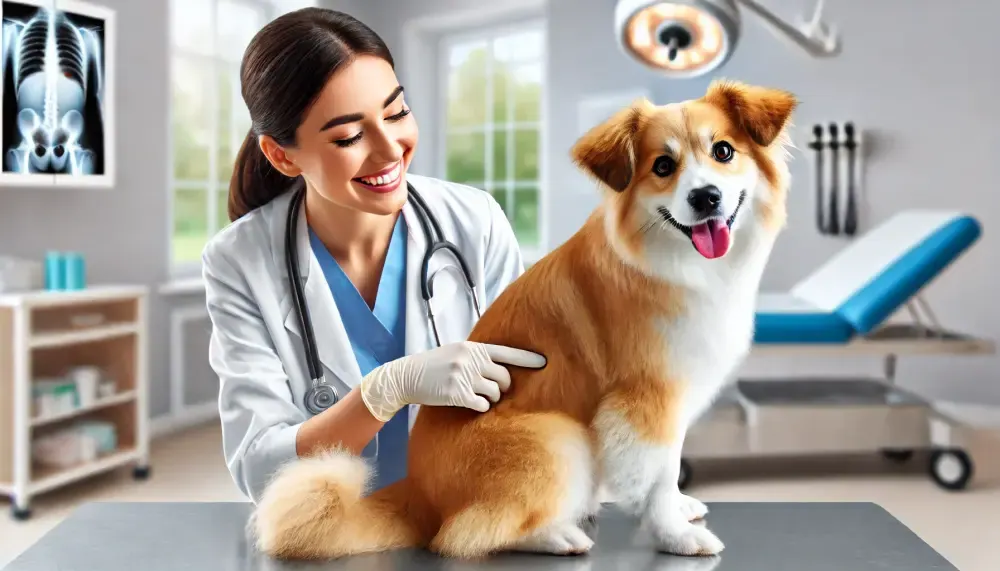
Anal gland problems in dogs have more than one cause. Diet, especially fiber and stool quality, can play a role for some dogs, but food is not the only factor and a blog menu is not a treatment. Scooting, licking the area, a foul smell, swelling, or pain near the anus is a reason to see your veterinarian, not to express the glands at home unless you have been taught to do so and the vet agrees it is appropriate. Infection, impaction, and, less often, a mass need a hands-on exam.
This is general information, not a diagnosis. The Merck Veterinary Manual dog-owner pages are a reliable place to read more before you talk with your veterinarian.
Stool eating is a different problem from anal gland trouble; if coprophagia is the issue, see our guide to stool-eating deterrents and talk with your veterinarian.
If your veterinarian recommends a diet change to improve stool quality, follow that plan; top dog food brands or best dry food for sensitive stomachs may be part of it. Do not add random oils, chews, or fiber supplements as a substitute for care if the area is painful or swollen.
As an Amazon Associate, we earn from qualifying purchases.
Dogs rely on their anal glands to mark territory and communicate with other animals. These small glands, located on either side of the rectum, secrete a unique, foul-smelling fluid. While anal gland issues may arise for various reasons, one common question is whether a dog’s diet can directly cause or exacerbate these problems. Understanding the role of food in anal gland health is essential for keeping your dog comfortable and preventing discomfort or even infection.
What Are Anal Glands and Why Do They Matter?
Anal glands, also known as anal sacs, are small structures that store a pungent fluid released during bowel movements. Ideally, as the dog poops, the pressure exerted on the glands releases this fluid naturally. However, when the glands do not empty properly, problems such as impaction or infections can occur. Symptoms of anal gland issues include scooting, excessive licking of the area, or visible discomfort when sitting.
While genetics, weight, and other health factors contribute to anal gland problems, diet also plays a significant role in their proper functioning. Let’s dive into how your dog’s food may be linked to these issues.
The Connection Between Diet and Anal Gland Health
Food can impact anal gland health in several ways. Most importantly, the consistency of your dog’s stool is a crucial factor. Solid, firm stools help exert enough pressure on the glands during defecation, ensuring that they empty properly. On the other hand, if your dog’s stool is too soft or too loose, the glands may not express efficiently, leading to buildup and eventual issues.
Several dietary factors can affect stool consistency and thus influence anal gland health:
- Low Fiber Diet
Fiber plays a vital role in digestion and bowel movements. Diets low in fiber may result in soft stools, which fail to provide enough pressure to empty the anal glands fully. A fiber-rich diet can help create firmer stools that promote gland expression. - High-Fat, Low-Quality Foods
Low-quality commercial dog foods, which often contain excessive fats and fillers, may cause inconsistent bowel movements. These foods can lead to soft or irregular stools, which, in turn, may result in anal gland issues. Dogs on a high-fat diet may also become overweight, further exacerbating the problem as excess weight can cause pressure on the glands, making it difficult for them to function properly. - Allergies and Food Sensitivities
Some dogs may have food sensitivities or allergies, which can lead to gastrointestinal distress. Common allergens like chicken, wheat, or dairy may trigger diarrhea, resulting in poor anal gland expression. Identifying and eliminating allergens from your dog’s diet can help avoid soft stools and prevent gland issues. - Hydration Levels
Inadequate water intake can also lead to constipation or dry stools, both of which negatively impact anal gland expression. Ensuring your dog is adequately hydrated supports overall digestive health, including the proper functioning of their glands.
Common Signs of Anal Gland Issues
If your dog’s diet is contributing to anal gland issues, you may notice the following symptoms:
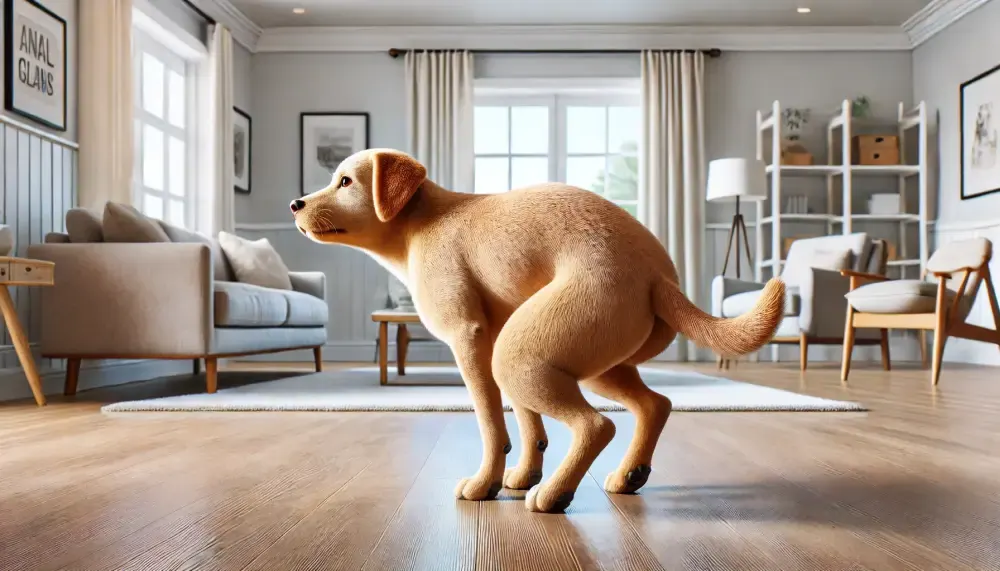
- Scooting: Dogs often drag their bottoms on the floor to relieve discomfort.
- Licking or Biting: Excessive licking or biting around the tail area is a common sign.
- Swelling: In some cases, you may notice swelling near the anus, indicating inflammation or infection.
- Foul Odor: Anal gland secretions have a strong, fishy odor that may become noticeable if there’s a problem.
If your dog exhibits any of these signs, it’s important to consult your veterinarian to determine the underlying cause and the best course of treatment.
How to Adjust Your Dog’s Diet for Better Anal Gland Health
A well-balanced diet is essential for maintaining proper anal gland function. Below are some dietary tips to help prevent or alleviate anal gland issues in your dog:
- Increase Fiber Intake
Adding more fiber to your dog’s diet can help bulk up their stools, making it easier for the glands to empty naturally. Good sources of fiber for dogs include:- Pumpkin
- Sweet potatoes
- Carrots
- Apples (without seeds) Some commercial dog foods also contain added fiber to support digestive health.
- Opt for High-Quality, Nutrient-Rich Dog Food
Choosing high-quality dog food with natural, wholesome ingredients helps maintain consistent digestion. Avoid foods with excessive fillers, artificial additives, and low-quality fats. Look for foods rich in lean proteins and balanced fats to promote overall well-being, including gland function. - Consider Probiotics
Probiotics are beneficial bacteria that help regulate the digestive system. Including probiotic supplements in your dog’s diet may aid in proper digestion and firm stool production, which can positively impact anal gland health. - Monitor Food Allergies
If your dog suffers from food allergies, identify the problematic ingredients and switch to a hypoallergenic or limited-ingredient diet. This can help reduce the occurrence of diarrhea or soft stools, allowing the anal glands to express more effectively. - Keep Your Dog Hydrated
Always ensure that your dog has access to fresh, clean water. Proper hydration keeps stools soft but firm, which is ideal for natural anal gland expression.
When to Seek Veterinary Help
While diet plays a major role in managing anal gland health, some dogs may require additional interventions. If dietary adjustments don’t seem to help, or if your dog frequently experiences anal gland problems, consult your veterinarian. Your vet may recommend manual expression of the glands, antibiotics for infections, or, in rare cases, surgical removal of the glands.
Some breeds, such as small dogs like Chihuahuas, Dachshunds, and Poodles, may be more prone to anal gland issues regardless of their diet. Regular vet checkups can help catch problems early and prevent complications.
Dietary management can make a significant difference in preventing anal gland problems in dogs. By ensuring your dog’s food promotes firm stools and supports their digestive system, you can help them avoid discomfort and keep their anal glands functioning properly. Always consult your veterinarian before making any major changes to your dog’s diet or health care routine.


