Seasonings Good for Dogs: Enhancing Your Pet’s Diet Safely

Look for a complete-and-balanced statement as explained in the FDA guidance on complete and balanced pet food and AAFCO’s consumer guide to understanding pet food. The WSAVA Global Nutrition Guidelines are a useful higher-level reference when you are choosing a food.
When it comes to our furry friends, we all want to ensure they’re receiving a balanced and nutritious diet. While dogs primarily thrive on a meat-based diet, incorporating certain seasonings can offer health benefits, make their meals more enticing, and even aid in digestive health. However, it’s crucial to distinguish between seasonings that are safe and those that could pose a risk to your dog’s health. This article explores dog-friendly seasonings, focusing on how they can safely enhance your pet’s diet.
12 Best Dog-Friendly Seasonings
1. Parsley: Fresh Breath and Antioxidant Properties
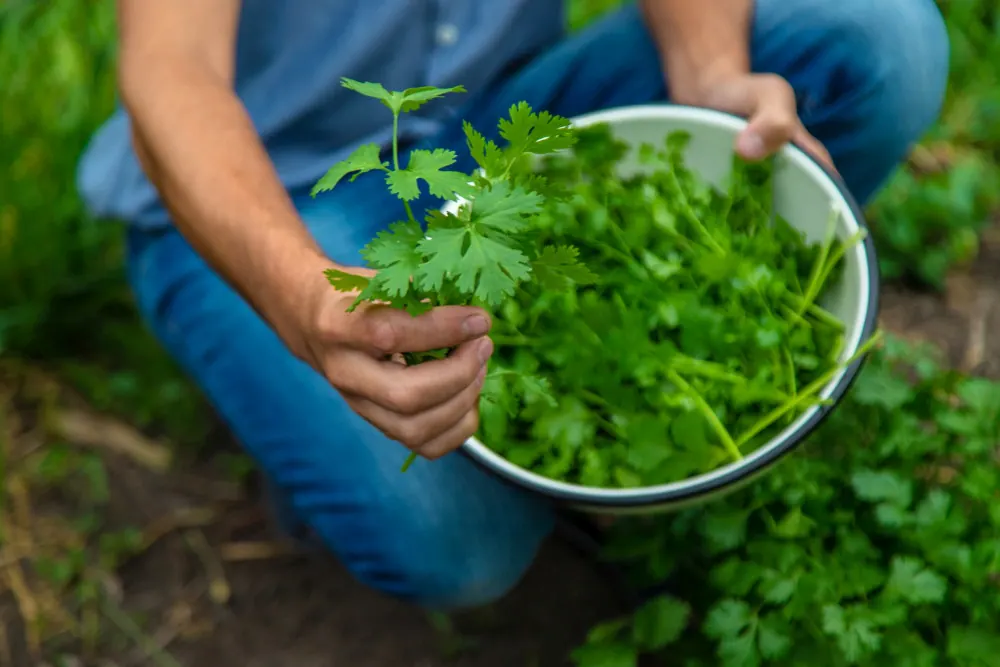
Parsley is more than just a garnish; it’s a powerhouse of vitamins A, C, and K, along with antioxidants. It can freshen your dog’s breath and support its immune system. However, it’s important to use parsley in moderation, especially avoiding the spring parsley variety, which can be toxic to pets.
2. Turmeric: Anti-inflammatory and Digestive Aid
Turmeric, known for its curcumin content, offers anti-inflammatory benefits, making it an excellent addition to a dog’s diet, particularly for those with arthritis or digestive issues. It can help alleviate inflammation and support healthy digestion. Always incorporate a very small amount of black pepper to enhance curcumin absorption.

3. Ginger: Nausea Relief and Gastrointestinal Support
Ginger is beneficial for dogs in small amounts, especially for aiding digestion, relieving nausea, and reducing bloating and gas. It’s also been shown to have anti-inflammatory properties, which can help with motion sickness.

4. Cinnamon: Blood Sugar Regulator and Anti-inflammatory
Cinnamon is another safe spice for dogs, in moderation. It can help regulate blood sugar levels, reduce inflammation, and even fight bacteria. However, it’s critical to use Ceylon cinnamon instead of Cassia cinnamon, as the latter can be toxic to dogs in large quantities.

5. Fenugreek: Coat Health and Digestive Aid
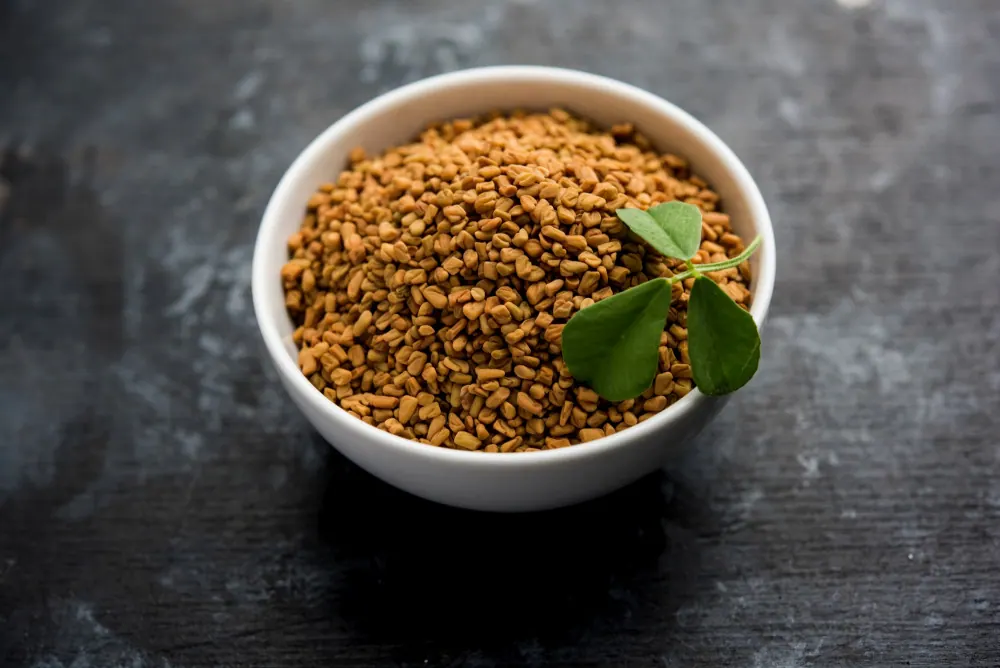
Fenugreek can be beneficial for dogs, particularly for improving coat health and aiding digestion. It’s known for its ability to help manage blood sugar levels and support gastrointestinal health.
6. Dill: Antimicrobial and Digestive Support
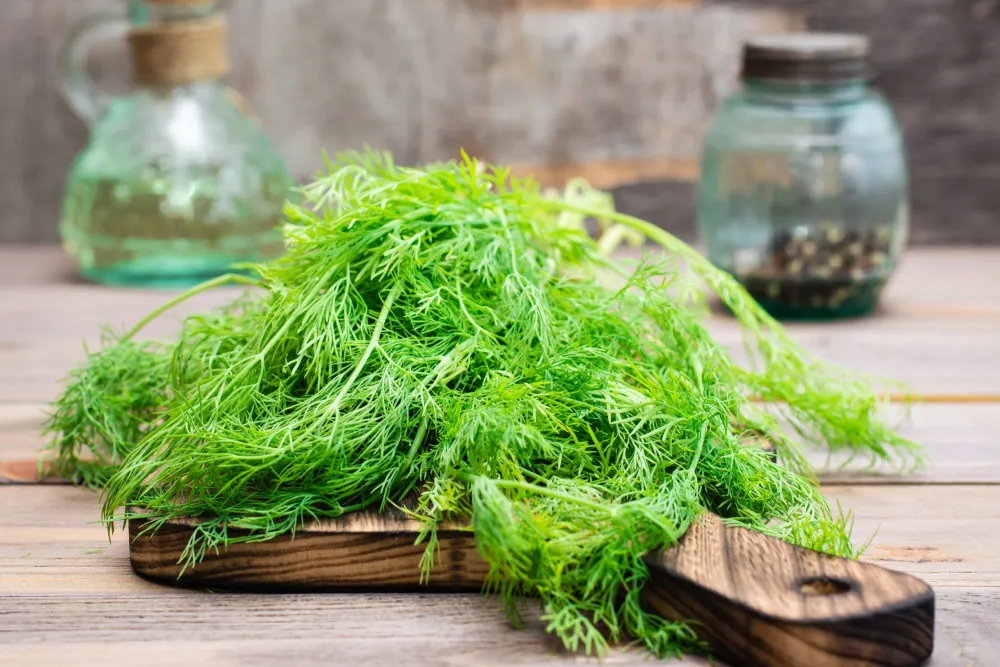
Dill is safe for dogs and can offer antimicrobial benefits, as well as aid in digestion. It’s a good source of minerals like magnesium and can help freshen your dog’s breath.
7. Rosemary: Cognitive Function and Hair Growth
Rosemary is a potent herb known for its antioxidant properties, which can support brain health and improve cognitive function in dogs. It’s also beneficial for hair growth and can help improve the quality of your dog’s coat. However, due to its strong nature, it should be used sparingly, especially with dogs prone to epilepsy, as it can potentially trigger seizures in susceptible individuals.

8. Peppermint: Digestive Aid and Fresh Breath
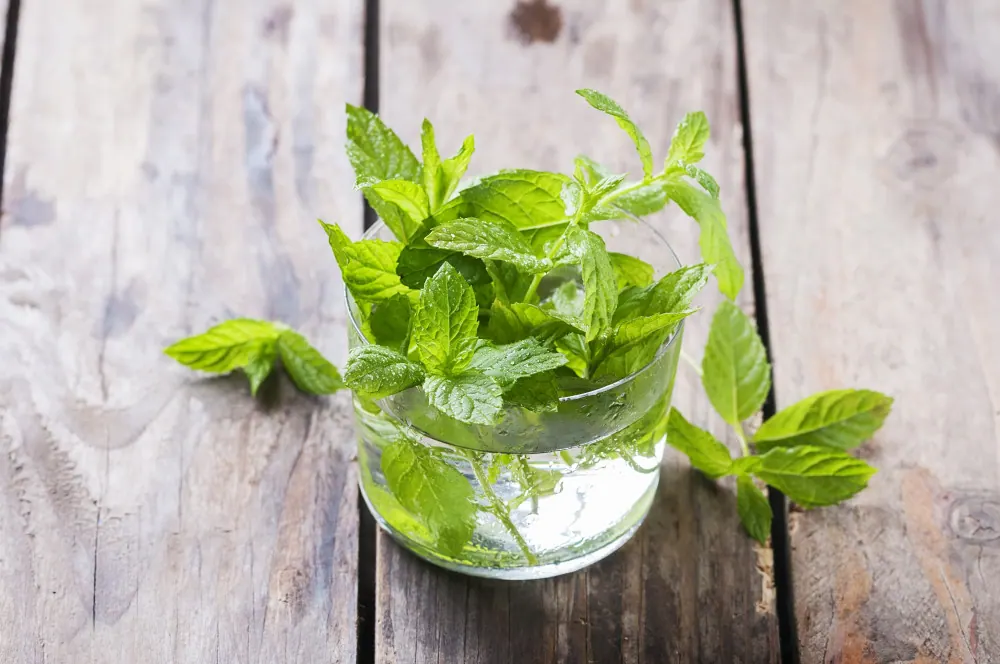
Peppermint can help soothe your dog’s stomach and improve digestion. It’s also great for freshening breath. However, it should be used in very small amounts, as too much can cause upset stomach and toxicity. Always use pure, natural peppermint in moderation.
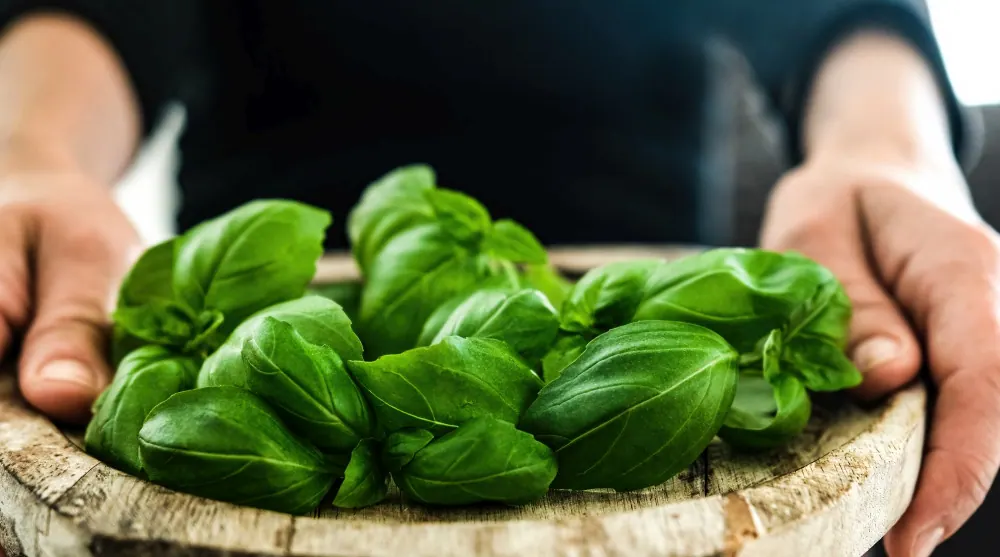
9. Basil: Antioxidant and Anti-inflammatory
Basil is another herb that’s safe for dogs, offering antioxidant, antiviral, and antimicrobial properties. It can help reduce inflammation and fight free radicals, contributing to your dog’s overall health and well-being.
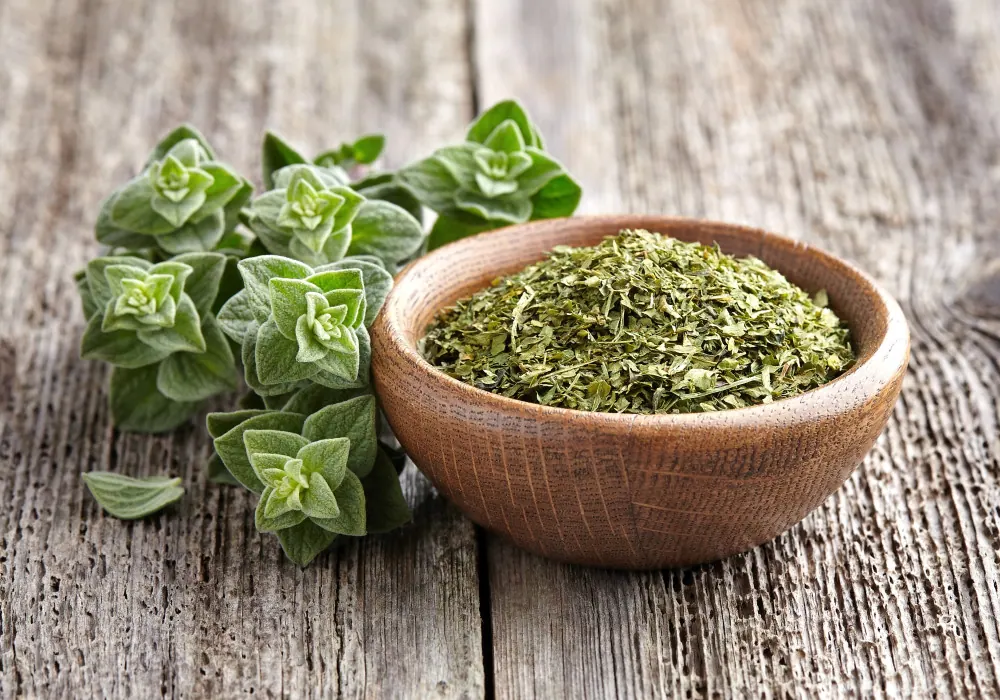
10. Oregano: Antioxidant and Antimicrobial
In small amounts, oregano can be beneficial for dogs due to its antioxidant and antimicrobial properties. It can help support the immune system and fight against bacteria. However, oregano should be used cautiously, as it’s very potent and can cause stomach upset if not properly diluted.
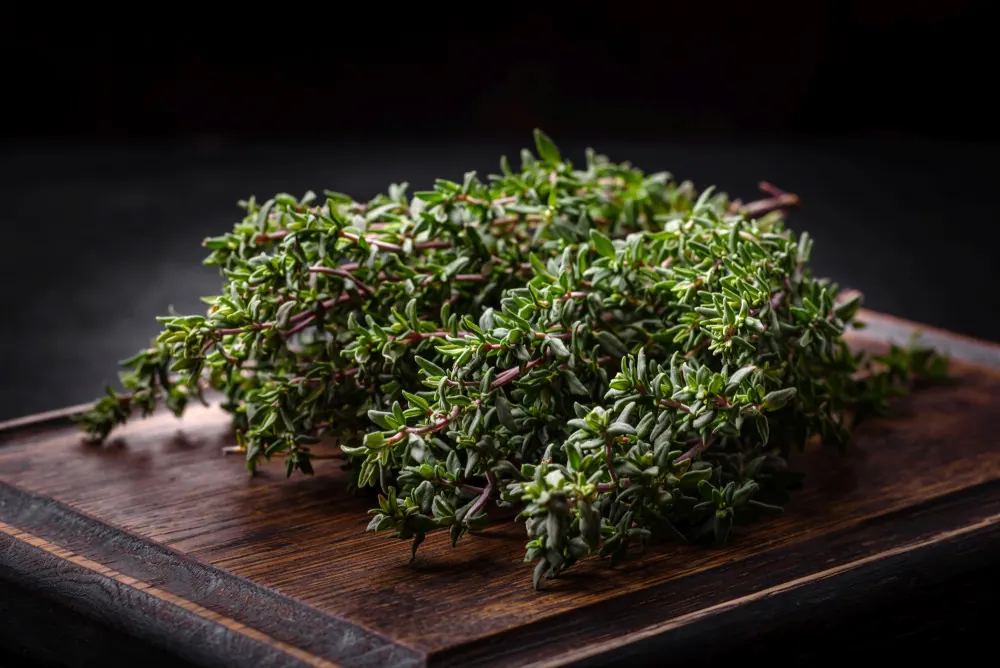
11. Thyme: Respiratory Health and Immune Support
Thyme is known for its antibacterial and antifungal properties, making it beneficial for supporting your dog’s immune system and respiratory health. It’s also a good source of vitamins C and A, which are essential for optimal health.
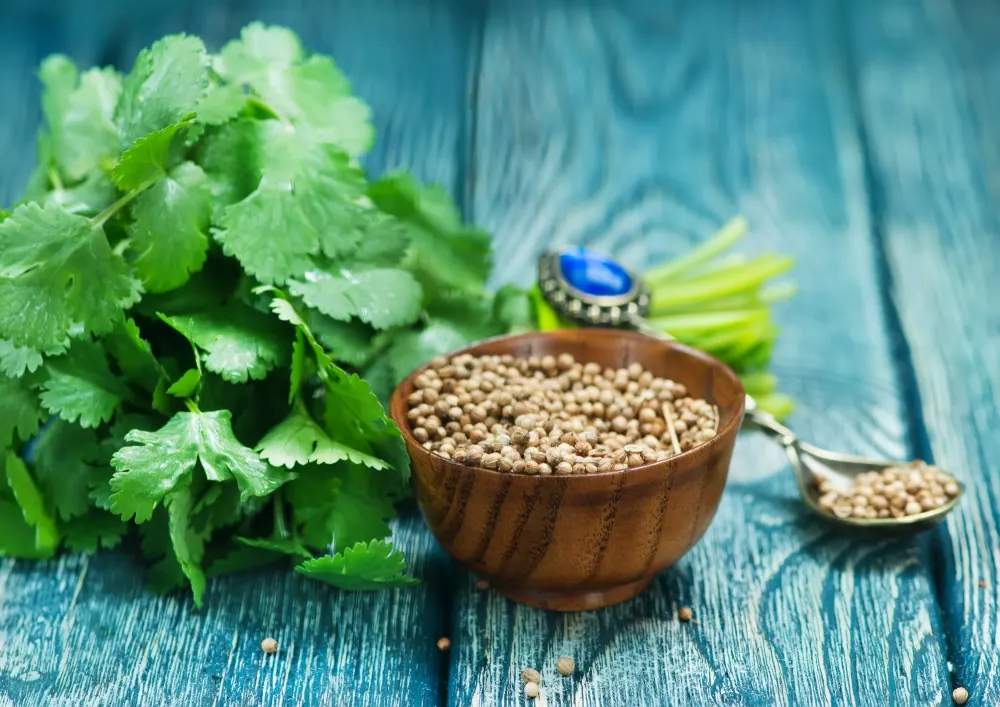
12. Coriander: Digestive Health and Blood Sugar Regulation
Coriander, both the seeds and the leaves (cilantro), can be safe for dogs in small quantities. It’s known for its digestive benefits and can help regulate blood sugar levels, making it a good choice for diabetic dogs.
Precautions and Tips
- Moderation is Key: Always introduce any new food or seasoning to your dog’s diet in small amounts to monitor their reaction.
- Consult with a Veterinarian: Before adding any seasonings to your dog’s diet, especially if they have existing health conditions, it’s best to consult with a veterinarian.
- Quality Matters: Opt for organic, high-quality seasonings without added salts, sugars, or artificial ingredients.
- Avoid Toxic Spices: Certain seasonings, such as garlic, onions, and nutmeg, are toxic to dogs and should always be avoided.
Incorporating Seasonings into Your Dog’s Diet
When introducing seasonings into your dog’s diet, start with a small pinch mixed into their food to see how they react. Gradually increase the amount based on their size, weight, and overall health. Consider using these seasonings as part of homemade dog treat recipes or mixed into their regular food for added flavor and health benefits.

Enhancing your dog’s diet with safe, dog-friendly seasonings can offer numerous health benefits, from improved digestion to fresher breath and anti-inflammatory properties. By choosing the right seasonings and using them in moderation, you can safely add variety and nutrients to your pet’s meals. Always prioritize your dog’s health and wellbeing by consulting with a veterinarian before making any significant changes to their diet. This thoughtful approach ensures that your furry friend enjoys both the flavor and the health benefits these natural seasonings have to offer.


