Unneutered Male Cat Behavior: Spraying, Roaming, and What Helps
Intact male cats often spray urine, wander in search of females, fight, and yowl, because testosterone drives those behaviors. Not every unneutered male does all of these things, but the pattern is common, and it is harder to live with indoors. Neutering often reduces spraying and roaming, especially if it is done before the habits are deeply practiced, but it is not an instant or perfect switch, and it does not replace veterinary care, a clean litter box, or a safe indoor setup.
For general feline health context, the Merck Veterinary Manual cat-owner pages are a reliable starting point, and your veterinarian should guide individual decisions.
A tall cat tree and a dedicated scratching post can give an intact male more acceptable ways to climb and mark territory at home.
As an Amazon Associate, we earn from qualifying purchases.
If an adult intact male suddenly starts urinating in new places, have a veterinarian rule out pain or a urinary problem first. For spraying in females, see whether female cats spray. Play, hiding places, and a predictable routine — including meals such as best canned cat food and short sessions with best cat toys — can lower stress, but they will not replace a medical or surgical plan your veterinarian recommends.
When a male cat is unneutered, its behavior is influenced by high levels of testosterone, leading to distinct patterns that are often different from those of neutered cats. These behaviors, rooted in natural instincts, can sometimes challenge cat owners, especially when displayed indoors. In this article, we’ll explore the signs your cat needs to be neutered and key traits of unneutered male cats, focusing on how their hormones affect their territorial, aggressive, and social behaviors.
Territorial Marking
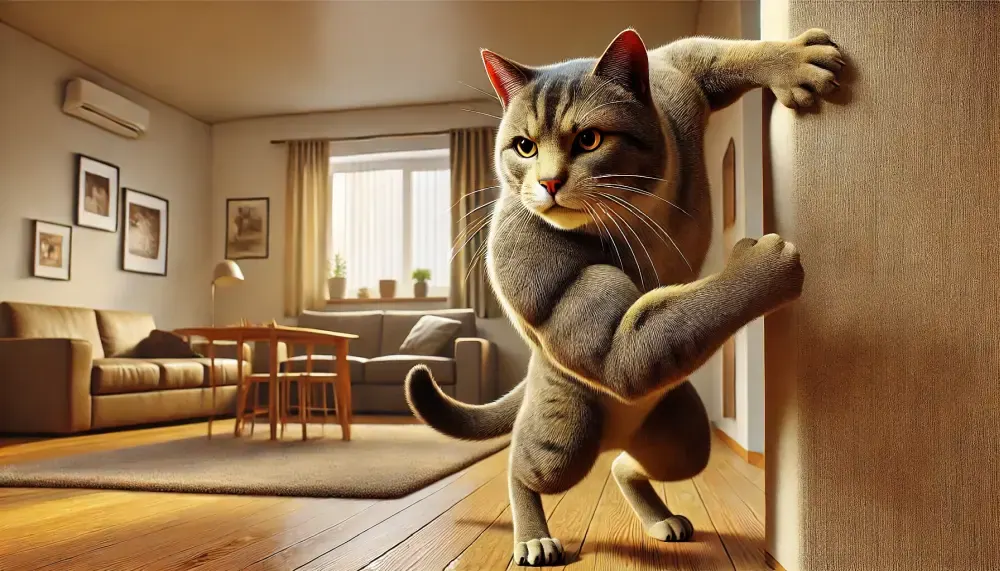
One of the most recognizable behaviors of an unneutered male cat is territorial marking. Unlike neutered cats, which are less likely to mark their space, unneutered males are driven by a primal instinct to claim and defend territory. This marking often comes in the form of urine spraying, a behavior where the cat backs up to a vertical surface—such as walls, furniture, or doors—and sprays a small amount of urine. This act is a method of communication, sending a clear signal to other animals that the area is already claimed.
Besides spraying, unneutered males may also scratch objects around the home more aggressively. Scratching not only sharpens their claws but also leaves visible marks and scent traces from glands in their paws. These visual and olfactory cues serve to reinforce the cat’s ownership of the area.
Aggressive Tendencies
Aggression is another common trait of unneutered male cats. Driven by testosterone, they may exhibit more confrontational behavior, particularly toward other male cats. These cats are naturally competitive, and their aggression is a way of establishing dominance within a territory. This aggression can be directed toward other pets in the household, outdoor cats, or even humans.
Fighting between unneutered male cats is often more intense compared to neutered cats. The fights are usually over territory, resources, or potential mates. When engaging in combat, unneutered males can become highly vocal and physically destructive. Cat owners with multiple unneutered males often find it challenging to maintain peace in the home due to these frequent conflicts.
Roaming and Escaping
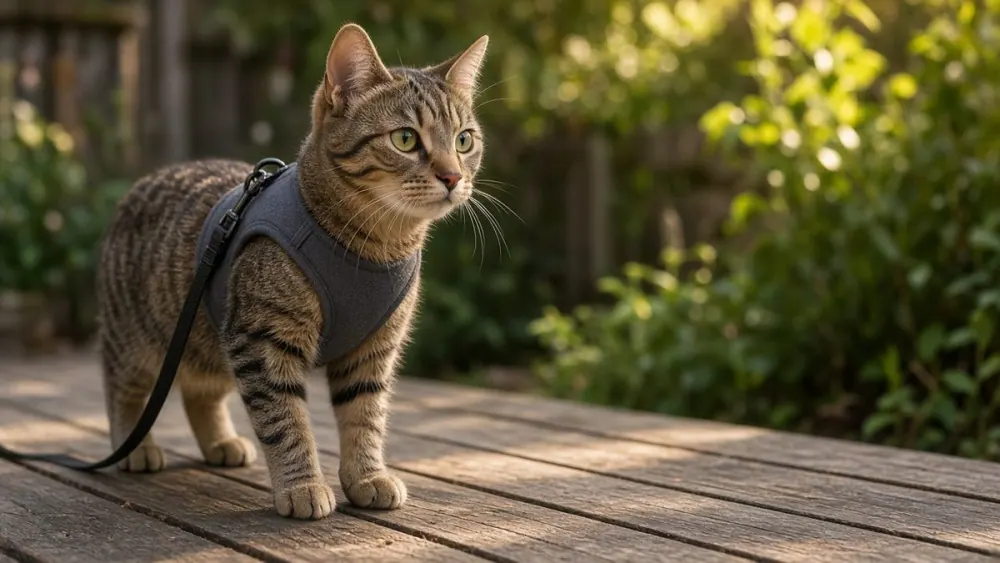
Another characteristic of unneutered male cats is their strong desire to roam, often traveling long distances in search of mates. The call of a female in heat can drive an unneutered male to great lengths, pushing them to escape the house or yard in search of potential partners. This wandering instinct can be dangerous, as the cat risks injury from fights, vehicles, or becoming lost.
This behavior often manifests as persistent attempts to escape through doors or windows. Cat owners might notice their unneutered males becoming restless, pacing near exits, or meowing loudly to be let outside. This roaming behavior is deeply ingrained in their instincts, making it difficult to manage without intervention, such as neutering.
Vocalization
Unneutered male cats are often more vocal than their neutered counterparts. When searching for a mate, they can engage in loud, persistent yowling or meowing, which can be disruptive to the household. This vocalization is a way to signal their presence and attract potential mates. It can be especially loud at night, leading to sleepless nights for cat owners.
These vocalizations, combined with restless pacing or scratching at doors, are clear signs that an unneutered male cat is driven by their instinct to reproduce. The heightened levels of testosterone make them more active and anxious, resulting in continuous attempts to attract attention.
Social Interactions and Play
Social interactions between unneutered male cats can often be tense, especially when another male cat enters the picture. The natural competition for territory and mates makes unneutered males less willing to form close bonds with other male cats, often leading to standoffs or aggressive posturing. While they can sometimes form closer relationships with female cats, their dominant and territorial behavior may still come into play.
When it comes to play, unneutered males often engage in rougher play sessions. Their play might resemble mock fighting, and while this can be normal for cats, it may escalate into more aggressive behaviors. Cat owners need to be cautious during these playtimes to avoid accidental bites or scratches.
Hormonal Impact on Behavior
The behaviors of unneutered male cats are primarily driven by hormones, specifically testosterone. Testosterone influences their territorial instincts, aggression, desire to mate, and overall activity levels. These hormonal behaviors can start as early as six months of age, when a cat reaches sexual maturity. Once testosterone levels are established, these behaviors become more ingrained and difficult to control.
Neutering a male cat can significantly reduce these hormone-driven behaviors. Within a few weeks of neutering, testosterone levels drop, leading to a decrease in aggression, territorial marking, and roaming. Neutered males tend to become more relaxed and less likely to engage in destructive or aggressive behaviors.
Dealing with Unneutered Male Cat Behavior
For cat owners who choose not to neuter their male cats, managing these behaviors can be challenging. Some strategies to consider include:
- Provide Scratching Posts: Encourage your cat to mark territory in acceptable ways by offering multiple scratching posts or pads. This gives them a designated place to leave their scent and marks without damaging furniture.
- Limit Outdoor Access: To prevent your cat from roaming and getting into fights, keep them indoors or provide a secure outdoor enclosure. This will help minimize their exposure to other male cats and reduce the likelihood of injury.
- Manage Spraying: Cleaning up after territorial spraying can be frustrating, but using enzymatic cleaners can help eliminate the smell and reduce repeated markings. Providing a stress-free environment may also reduce the urge to spray.
- Consider Neutering: If the behavior becomes too difficult to handle, neutering is the most effective way to reduce hormone-driven actions. The earlier it is done, the better the chances of curbing unwanted behaviors.
In conclusion, unneutered male cats exhibit a range of behaviors driven by testosterone, including territorial marking, aggression, roaming, and loud vocalizations. While these behaviors are natural, they can be challenging for cat owners to manage. Providing outlets for their territorial instincts and considering neutering are important steps in addressing these issues.