7 Reasons Why Cats Scratch
Cats are beloved pets, known for their playful and independent nature. However, one of the most common issues cat owners face is scratching. Understanding why cats scratch can help you manage this behavior and keep your home in harmony. Here are seven reasons why cats scratch and tips on how to deal with it.
As an Amazon Associate, we earn from qualifying purchases.
Why Do Cats Scratch? Top 7 Reasons Explained
1. Marking Territory
Cats are territorial animals. They use scratching as a way to mark their territory. When a cat scratches an object, it leaves both a visual mark and scent from glands in their paws. This dual marking method sends a strong message to other animals, indicating that the area is claimed.
Tip: Provide multiple scratching posts around your home, especially near areas where your cat likes to scratch. This can help redirect their territorial behavior to more appropriate surfaces.
See top-rated scratching posts on Amazon
If you are shopping for the person who lives with the cat, our gifts for cat lovers guide covers useful books, a fountain, and a tree, and warns against wrapping lilies.
For general feline health context, the Merck Veterinary Manual cat-owner pages are a reliable starting point, and your veterinarian should guide individual decisions.
Declawing is not a simple scratch fix; we discuss the tradeoffs in pros and cons of declawing cats and prefer posts and trees first.
If the cat is clawing furniture instead of a post, we also cover how to keep cats off furniture without a fight.
For a related behavior question, see Why Do Cats Rub Against You? Scent, Greeting, and Familiarity.
Scratching and spraying can both show up more in intact males; see unneutered male cat behavior if that fits your cat.
If indoor scratching is the real issue, a sturdy scratching post and a tall cat tree give the cat an approved place to claw.
2. Exercise and Stretching
Scratching is a form of exercise for cats. It helps them stretch their muscles, particularly in their legs and back, and keeps their claws sharp and healthy. The act of scratching allows cats to maintain their physical health and flexibility.
Tip: Ensure your cat has plenty of opportunities to scratch and stretch by placing scratching posts of different types and heights around your home. Consider adding horizontal and vertical scratching surfaces to cater to their preferences.
3. Stress Relief and Emotional Expression
Cats often scratch to relieve stress and express emotions. Scratching can be a way for cats to cope with changes in their environment, such as moving to a new home, the arrival of a new pet, or alterations in their daily routine.
Tip: Observe your cat’s scratching patterns and try to identify any recent changes that might be causing stress. Providing a consistent routine and a safe, quiet space can help reduce anxiety. Interactive toys and additional attention can also alleviate stress-related scratching.
4. Maintenance of Claws
Regular scratching is essential for claw maintenance. It helps cats remove the outer sheath of their claws, keeping them clean and sharp. This natural grooming behavior is crucial for their overall health and well-being.
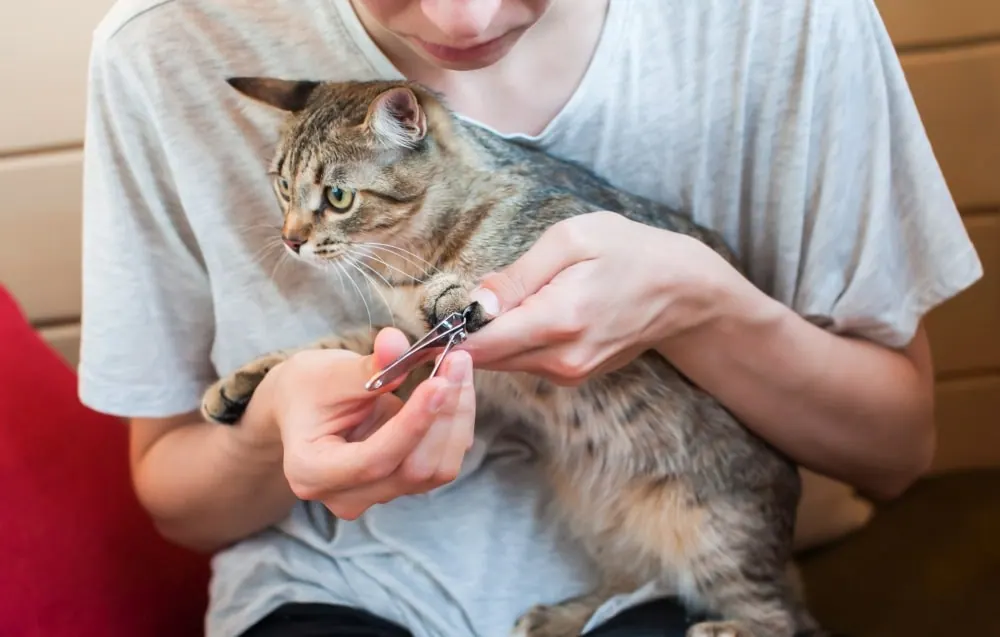
Tip: Regularly trim your cat’s claws to reduce the damage they can cause while scratching. Use a cat-specific nail trimmer and be cautious not to cut too close to the quick. If you’re unsure, ask your veterinarian or a professional groomer for assistance.
5. Boredom and Play
Cats scratch when they are bored or looking for something to do. Scratching can be a form of play and a way to expend excess energy. Providing appropriate outlets for this behavior is important to prevent destructive scratching.
Tip: Keep your cat entertained with a variety of toys, such as feather wands, laser pointers, and puzzle feeders. Rotate their toys regularly to keep their interest. Interactive playtime with you can also help burn off energy and reduce boredom.
6. Communication with Other Cats
In multi-cat households, scratching can be a form of communication. Cats use scratching to signal their presence and establish a hierarchy within the group. The scent and visual marks left by scratching serve as a message to other cats in the household.
Tip: Ensure each cat in your home has access to their own scratching posts and personal space. This can help minimize territorial disputes and reduce stress among your feline companions.
7. Natural Instincts
Scratching is an innate behavior deeply rooted in a cat’s natural instincts. In the wild, cats scratch to prepare their claws for hunting and climbing. Domesticated cats retain these instincts, even though they may not need them for survival.
Tip: Embrace your cat’s natural behavior by providing safe and acceptable outlets for scratching. Scratching posts, cat trees, and cardboard scratchers are great options to satisfy their instinctual needs.
Managing Cat Scratching
While scratching is a natural behavior for cats, it can be managed to prevent damage to your furniture and home. Here are some additional tips to help manage your cat’s scratching habits:
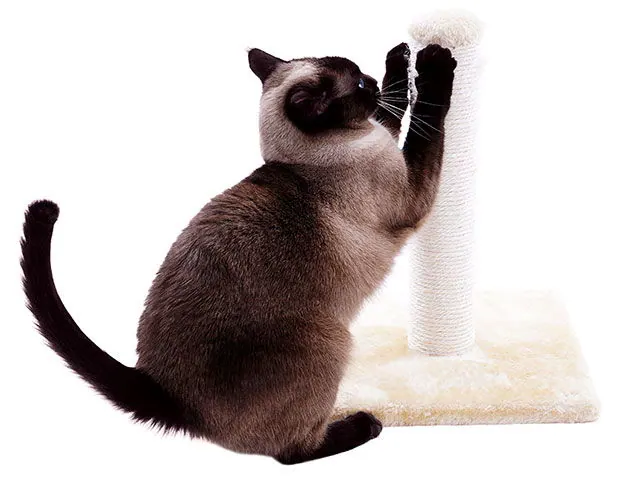
- Scratching Posts: Invest in sturdy, high-quality scratching posts that are tall enough for your cat to fully stretch out while scratching. Sisal-covered posts are particularly appealing to many cats.
- Placement: Place scratching posts in areas where your cat likes to scratch, such as near their favorite sleeping spots and in social areas of your home.
- Positive Reinforcement: Encourage your cat to use scratching posts by rewarding them with treats, praise, or playtime when they scratch in appropriate places.
- Deterrents: Use deterrents like double-sided tape, aluminum foil, or commercial sprays on furniture to discourage your cat from scratching there. These surfaces are unpleasant for cats to scratch.
- Training: Gently redirect your cat to a scratching post if you catch them scratching inappropriate surfaces. Consistency and patience are key.
- Environment: Ensure your cat’s environment is enriched with climbing opportunities, interactive toys, and safe places to hide and rest. A stimulating environment can reduce undesirable scratching.
Understanding why cats scratch and providing appropriate outlets for this behavior can lead to a happier and healthier relationship with your feline friend. By respecting their natural instincts and addressing their needs, you can create a harmonious home for both you and your cat.