Why Does My Dog Smell Like Pee? Causes and Solutions
Related reading: Does Dawn Soap Kill Fleas? Why It Is Not a Treatment.
For general pet-health questions, the AVMA pet-owner resources are a reliable starting point, and your veterinarian should guide individual decisions.
If your dog smells like pee, you’re probably wondering why and how to resolve it. A dog’s natural scent can sometimes take on an unpleasant odor, especially if they’ve been exposed to urine. This problem can stem from a variety of causes, including health issues, accidents, or hygiene-related factors. In this article, we will explore the potential reasons why your dog might smell like pee and provide effective solutions to tackle this issue.
1. Accidental Urination and Poor Cleaning Habits
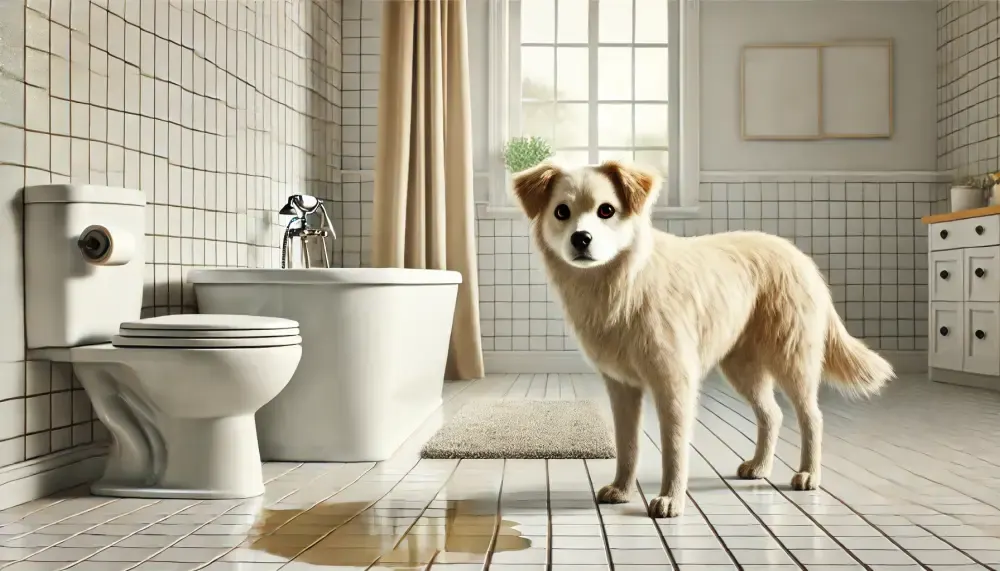
One of the most common reasons a dog smells like pee is accidental urination. If your dog has an accident inside the house or wets their bedding, the urine can cling to their fur, leaving a strong odor. This is especially true for dogs that spend long periods in enclosed spaces, such as crates, where they might sit or lay in their own urine.
Solution:
Clean your dog immediately after accidents to prevent the odor from setting in. Bathe them using a dog-safe shampoo, paying close attention to areas where urine might have soaked in. Regularly wash their bedding, blankets, and any other fabric surfaces they come in contact with. Using enzymatic cleaners specifically designed to neutralize urine odors can be particularly helpful.
2. Urinary Tract Infections (UTIs)
A urinary tract infection is another possible cause of your dog smelling like pee. Dogs with UTIs may have difficulty controlling their bladder, leading to dribbling or frequent urination. Additionally, the urine of a dog with a UTI often has a strong, foul smell due to bacteria in the urinary tract.
Solution:
If you suspect your dog has a UTI, it’s crucial to visit a veterinarian for a proper diagnosis. Your vet may prescribe antibiotics to clear up the infection, which should help eliminate the odor once the infection is treated. Keep your dog’s genital area clean to reduce the risk of future infections.
3. Incontinence
Older dogs, or dogs with certain medical conditions, can develop incontinence, meaning they lose control of their bladder. This can result in urine leaks throughout the day, especially when your dog is sleeping or resting. If left untreated, incontinence can lead to a consistent urine smell on your dog.
Solution:
If your dog is experiencing incontinence, consult with your vet. Medications and management techniques are available that can help reduce or control incontinence. In the meantime, using dog diapers or placing waterproof pads in areas where your dog rests can prevent urine from staining their fur and surrounding areas.
4. Dirty Fur and Poor Grooming
Dogs that aren’t regularly groomed or have dirty fur may develop a smell that mimics the odor of urine. Dirt, bacteria, and old urine can accumulate on their fur, especially around their hindquarters and belly.
Solution:
Regular grooming is key to keeping your dog clean and smelling fresh. For dogs with long or thick fur, frequent brushing helps remove dirt, debris, and any urine that might cling to their coat. Bathe your dog every few weeks using a gentle dog shampoo, but be careful not to over-bathe as this can dry out their skin. Keeping the fur around your dog’s genital area trimmed can also help prevent urine from getting trapped in their fur.
5. Kidney Problems
In some cases, a persistent urine smell can be linked to kidney issues in dogs. If your dog’s kidneys are not functioning properly, their body may not be able to filter waste efficiently, leading to strong-smelling urine. Dogs with kidney problems might also show other symptoms, such as increased thirst, frequent urination, lethargy, or weight loss.
Solution:
If you suspect your dog’s odor is related to a kidney problem, seek veterinary advice immediately. Your vet can perform tests to check your dog’s kidney function and recommend a treatment plan. Managing kidney problems often involves dietary changes, medications, or in severe cases, ongoing veterinary care.
6. Skin Issues
Skin conditions such as dermatitis or yeast infections can cause dogs to develop a strong smell, which may be mistaken for urine. These infections often occur in dogs with skin folds, where moisture and bacteria can easily accumulate.
Solution:
Treating skin infections typically requires veterinary intervention. Your vet may prescribe medicated shampoos, creams, or oral medications to treat the infection. Keeping your dog’s skin clean and dry is essential in preventing further issues. Regularly check for any signs of skin irritation or unusual smells.
7. Improper Potty Training
Puppies or dogs that are still learning potty training may have frequent accidents, resulting in lingering smells of pee. Even if they manage to avoid soiling themselves, traces of urine on the floor, furniture, or toys can cause them to pick up the scent.
Solution:
Potty training should be consistent and patient. Clean any soiled areas with enzymatic cleaners to completely remove urine odors. This helps prevent your dog from returning to the same spot to relieve themselves. Reward your dog for successfully going potty outside, and be vigilant in watching for signs that they need to go.
Preventing Future Odors
Once you’ve addressed the root cause of your dog’s pee smell, it’s important to take steps to prevent it from recurring. Here are some additional tips to keep your dog smelling fresh and clean:
- Frequent baths: Bathing your dog on a regular schedule, depending on their breed and activity level, helps remove dirt, oil, and odors from their fur.
- Hygiene maintenance: Keep your dog’s bedding, toys, and living area clean. Wash their blankets and beds frequently to prevent odors from accumulating.
- Routine vet visits: Regular check-ups with your vet can help identify potential health issues before they become serious problems.
- Proper diet: A healthy, balanced diet supports your dog’s overall health, including the condition of their skin and coat, which plays a big role in keeping odors at bay.
In conclusion, a dog that smells like pee may be dealing with a variety of issues, ranging from hygiene problems to medical conditions. Identifying the underlying cause and taking appropriate action, whether it’s improving grooming habits or visiting a vet, can help ensure your dog smells clean and stays healthy. By following these solutions and preventive measures, you can eliminate the odor and keep your dog smelling fresh!