Can Dogs Eat Deer Meat? Cooked and Plain, Not as a Complete Diet
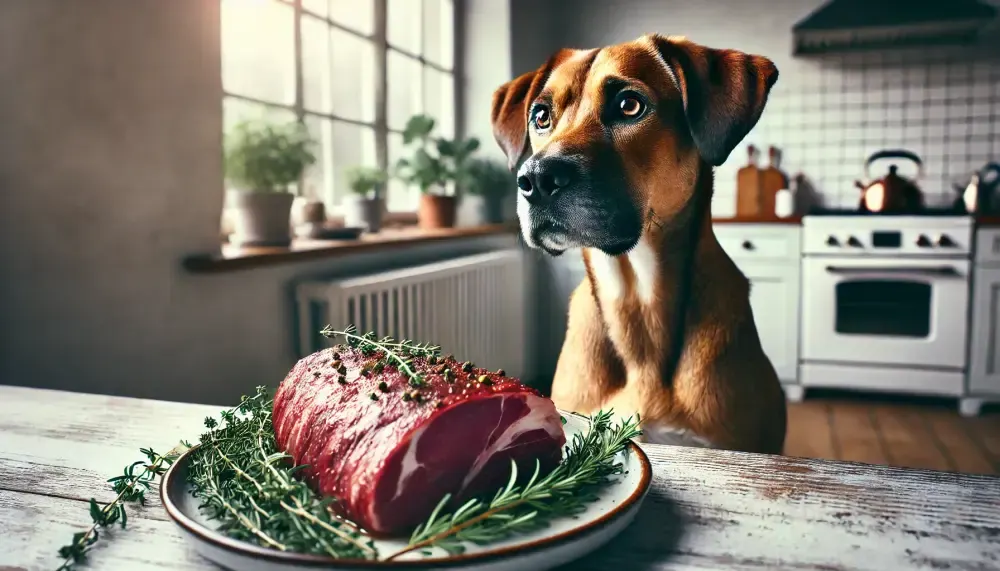
Dogs can eat cooked, plain venison (deer meat) as a protein, just as they can eat other lean meats. It is not a complete diet on its own. Wild game must be handled carefully: cook it thoroughly, keep out bones that can splinter, and be aware that hunter-harvested meat can rarely contain bullet fragments. Raw venison can carry parasites or bacteria and is a poor default. Seasonings, bacon wrap, onion, garlic, and sausage blends should not go in the dog’s bowl.
Compare other proteins in what meats dogs can eat.
If you are unsure whether a food is safe, the ASPCA’s list of people foods to avoid feeding pets is a reliable starting point, and a veterinarian or poison-control professional should be called if a pet already ate something questionable.
If you are comparing this with other extras, we also have a guide on Can Dogs Eat Deli Meat? Better as a Rare, Plain Bite Than a Habit.
Some commercial foods use venison as a novel or alternative protein, which may help certain dogs if a veterinarian is guiding a diet trial. That is different from feeding leftover roast as the only meal. For everyday nutrition, see top dog food brands, hypoallergenic dog food guide, or best dog food toppers rather than building a diet from hunted meat alone.
Many pet owners are curious about expanding their dogs’ diets with natural foods, and deer meat (also known as venison) is often considered an option. But is deer meat safe for dogs? The short answer is yes, dogs can eat deer meat, and it can provide a range of benefits. However, there are several factors to keep in mind to ensure it’s introduced safely.
The Nutritional Benefits of Deer Meat for Dogs
Deer meat is a high-quality, lean source of protein that is often considered a healthier alternative to more common meats like beef or chicken. Here’s why it can be a valuable addition to your dog’s diet:
- Lean Protein: Venison is lower in fat compared to other types of meat, making it an excellent choice for dogs that need to maintain a healthy weight. It provides essential amino acids that support muscle growth and repair.
- Rich in Nutrients: Venison is packed with nutrients such as B vitamins (like B12 and B6), zinc, and iron. These are important for maintaining energy levels, promoting a healthy coat, and supporting immune function.
- Novel Protein: If your dog has allergies or intolerances to common protein sources like beef or chicken, deer meat can be a novel alternative. This is especially helpful for dogs with sensitive stomachs or those on limited-ingredient diets.
Potential Risks and Considerations
While deer meat can be a great protein source for dogs, it’s important to be aware of potential risks, especially when feeding it raw or sourced from wild game.
- Parasites and Bacteria: Wild deer can carry parasites such as trichinosis or bacteria like Salmonella, which can pose health risks to dogs. If you’re feeding your dog raw deer meat, it’s essential to ensure the meat has been properly handled and frozen to kill parasites. Cooking the meat thoroughly can also help eliminate these risks.
- Wild Game Sourcing: If you hunt deer or source wild venison, be cautious of how the meat is processed. Make sure the meat is free from contaminants like lead bullets, which can be harmful if ingested by your dog.
- Bones and Sharp Fragments: Raw deer bones are not recommended, as they can splinter and cause injuries to your dog’s mouth or digestive tract. Cooked bones are even more dangerous, as they become brittle and are more likely to break into sharp pieces.
Can Dogs Eat Raw Deer Meat?
Yes, dogs can eat raw deer meat, but there are important considerations to ensure it’s safe for them. While raw feeding has gained popularity due to its potential health benefits, such as improved digestion and healthier coats, feeding raw venison (deer meat) comes with risks that need to be addressed:
- Parasites and Bacteria: Wild deer can carry parasites like trichinosis, as well as harmful bacteria such as Salmonella or E. coli. These pathogens can pose health risks to dogs, leading to illnesses such as vomiting, diarrhea, or more severe infections. To reduce this risk, it’s important to freeze the venison for at least three weeks at a temperature of -4°F (-20°C) or lower to kill any parasites before serving it raw.
- Sourcing and Handling: Ensure that the deer meat you provide is from a trusted source. If hunting or purchasing from wild game suppliers, make sure the meat is handled properly and kept free of contaminants like lead or other harmful substances.
- Avoiding Bones: When feeding raw deer meat, it’s essential to remove any bones. While raw bones are less likely to splinter than cooked ones, they can still pose a choking hazard or cause injuries to your dog’s digestive tract.
- Portion Control: As with any raw food, introduce it gradually to your dog’s diet and in moderation. Watch for any signs of digestive upset as your dog adjusts to the new protein source.
If you’re considering a raw deer meat diet for your dog, it’s always a good idea to consult with your veterinarian to ensure it aligns with your dog’s nutritional needs and overall health. Some dogs may thrive on a raw diet, while others may have digestive sensitivities that require alternative preparation methods.
How to Safely Prepare Deer Meat for Dogs
If you’ve decided to add deer meat to your dog’s diet, here are some tips on how to prepare it safely:
- Cooked vs. Raw: While many advocate for raw feeding, cooking venison may be the safer option, especially if you’re uncertain about the quality or origin of the meat. Cooking deer meat thoroughly reduces the risk of bacteria and parasites.
- Remove Bones: If you’re feeding your dog venison from a wild source, make sure to remove all bones before serving. Deer bones are sharp and can pose a choking hazard or cause internal injuries.
- Portion Sizes: Like with any new food, introduce deer meat in moderation. Start with small portions to ensure your dog doesn’t have an adverse reaction. If your dog tolerates it well, you can gradually increase the amount.
- Mix It Up: You can combine venison with other healthy ingredients like vegetables or grains to provide a balanced meal for your dog. Avoid adding seasonings, especially salt, garlic, or onions, which are harmful to dogs.
Venison as a Commercial Dog Food Ingredient
Many commercial dog foods now include venison as a primary ingredient, especially in formulas designed for dogs with food allergies. These products are carefully formulated to provide balanced nutrition while avoiding common allergens. If you’re not comfortable sourcing and preparing deer meat yourself, purchasing a venison-based dog food can be a great alternative.
When selecting commercial venison dog food, look for brands that use high-quality ingredients and avoid artificial preservatives, flavors, or fillers. It’s also a good idea to consult your veterinarian before switching your dog to a venison-based diet, especially if they have specific dietary needs.
Deer Meat for Dogs with Allergies
If your dog suffers from food allergies or intolerances, deer meat can be a great alternative to more common proteins. Many dogs with sensitivities to beef, chicken, or lamb do well on venison. Since it’s considered a novel protein, venison is less likely to trigger an allergic response.
However, if you suspect your dog has food allergies, it’s always best to consult your veterinarian before making any major dietary changes. They may recommend a limited-ingredient diet or perform allergy testing to determine the most appropriate food options for your dog.
Should You Feed Your Dog Deer Meat?
Deer meat can be a healthy and nutritious option for dogs, especially those with food sensitivities or who require a lean source of protein. Its rich nutritional profile and novel protein status make it an excellent addition to a balanced diet. However, as with any new food, it’s important to introduce it gradually and ensure it’s prepared safely.
If you’re unsure whether deer meat is suitable for your dog, it’s always a good idea to consult your veterinarian. They can help guide you on the right portion sizes and ensure your dog’s diet remains well-balanced.
Overall, with proper precautions and safe preparation, deer meat can be a tasty and healthy treat for your dog.


