Can Dogs Eat Fat from Steak?
We earn from qualifying Amazon purchases. It doesn't change what we recommend.
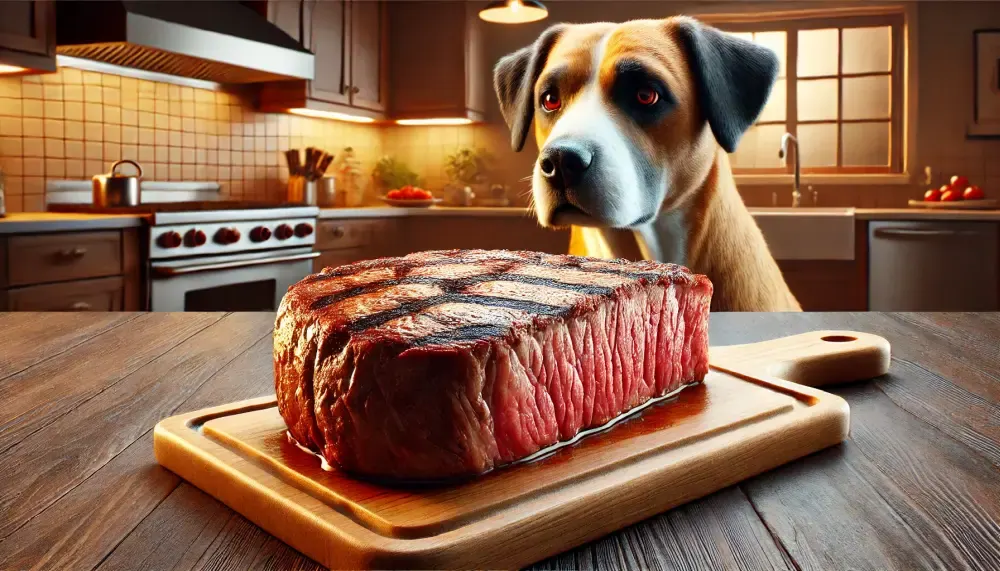
If you are unsure whether a food is safe, the ASPCA’s list of people foods to avoid feeding pets is a reliable starting point, and a veterinarian or poison-control professional should be called if a pet already ate something questionable.
As dog owners, it’s tempting to share our meals with our furry friends, especially when it comes to a juicy steak. One common question pet parents have is whether dogs can eat the fat from steak. After all, many dogs love the rich flavor of fat, but is it safe for them to consume? In this article, we’ll explore the potential risks and benefits of giving steak fat to dogs and what you need to know before treating your canine companion to this indulgence.
Understanding Fat in a Dog’s Diet
Fat is an essential nutrient in a dog’s diet, providing energy, supporting cell function, and helping with the absorption of fat-soluble vitamins like A, D, E, and K. However, not all fats are created equal, and excessive consumption can lead to serious health problems.
Steak fat, like other animal fats, is high in saturated fats, which can be harmful if consumed in large amounts. While dogs do need fat in their diet, the fat they get from their regular dog food is typically balanced and provides the right nutrients they need to thrive.
The Risks of Feeding Steak Fat to Dogs
- Pancreatitis
One of the most significant risks of feeding dogs steak fat is the possibility of causing pancreatitis, a painful and potentially life-threatening condition. Pancreatitis occurs when the pancreas becomes inflamed, usually after a dog consumes fatty foods. Symptoms include vomiting, diarrhea, lethargy, abdominal pain, and loss of appetite. Even a small amount of fatty food can trigger an episode, especially in dogs prone to pancreatitis or with a history of gastrointestinal issues. - Obesity
Steak fat is highly caloric, and frequent feeding of fatty trimmings can contribute to weight gain and obesity in dogs. Obesity is a serious health concern for dogs, leading to a host of other problems, including joint pain, diabetes, and heart disease. It’s crucial to monitor your dog’s weight and be mindful of the extra calories they may consume from table scraps. - Gastrointestinal Distress
Many dogs have sensitive stomachs, and rich, fatty foods like steak fat can lead to gastrointestinal issues such as diarrhea and vomiting. This is especially true if your dog is not accustomed to consuming human food. Fatty foods can upset the delicate balance of bacteria in their digestive system, leading to discomfort and potential health problems. - Choking Hazard
If the steak fat is in large chunks, it could pose a choking hazard, particularly for smaller dogs. Additionally, cooked fat can become tough and difficult to chew, increasing the risk of choking or intestinal blockages. - Salt and Seasoning
Steak is often seasoned with salt, garlic, or onion—ingredients that are toxic to dogs. Even small amounts of garlic and onion can cause damage to a dog’s red blood cells, leading to anemia. Be mindful that any steak fat offered to dogs should be free of harmful seasonings or spices.
Potential Benefits of Steak Fat (In Moderation)
While the risks are significant, there may be a few potential benefits to giving your dog steak fat in very small amounts and only occasionally:
- Flavor
Dogs are naturally drawn to the rich taste of fat, and giving them a small piece as a treat can be highly rewarding. If your dog is a picky eater, adding a tiny bit of steak fat to their regular food could entice them to eat. - Energy Boost
For very active dogs or working breeds that burn a lot of calories, a small amount of fat can provide a quick source of energy. However, it’s important to consult with a veterinarian before introducing any high-fat foods into your dog’s diet, as too much fat can still lead to health problems.
How to Safely Give Steak Fat to Your Dog
If you decide to give your dog a taste of steak fat, here are a few guidelines to follow:
- Limit the Portion Size
Offer only a very small piece of fat as an occasional treat. Avoid giving large amounts or making it a regular part of their diet. - Ensure the Fat is Plain
Make sure the steak fat you offer is free of any seasoning, sauces, or harmful ingredients like garlic and onion. Plain, unseasoned fat is less likely to cause problems. - Monitor Your Dog for Signs of Distress
After giving your dog steak fat, watch for any signs of gastrointestinal distress or changes in behavior. If your dog starts vomiting, has diarrhea, or shows signs of pain, contact your veterinarian immediately. - Avoid Fat for Dogs with Certain Health Conditions
If your dog has a history of pancreatitis, obesity, or gastrointestinal issues, it’s best to avoid giving them steak fat altogether. Dogs with these conditions are more susceptible to the negative effects of fatty foods.
Healthy Alternatives to Steak Fat
If you’re looking to treat your dog to something special without the risks associated with steak fat, consider these healthier alternatives:
- Lean Meat: Instead of fat, offer your dog small pieces of lean, unseasoned steak or chicken. Lean meats provide protein without the excess fat and calories.
- Carrots or Sweet Potatoes: For a crunchy, low-fat treat, try offering your dog slices of carrots or sweet potatoes. These vegetables are packed with vitamins and are much safer for your pet.
- Dog-Safe Treats: There are plenty of commercial dog treats available that are formulated specifically for canine consumption. These treats are made to be safe, nutritious, and delicious for your dog.
Conclusion: Should Dogs Eat Steak Fat?
In moderation, and only if your dog is healthy, a tiny piece of plain steak fat may not cause harm. However, the risks generally outweigh the benefits, especially if your dog has any underlying health conditions. It’s always best to err on the side of caution and stick to safer, healthier treats that won’t put your dog’s health at risk. If you’re ever unsure about what foods are safe for your dog, consult your veterinarian for guidance. By being mindful of what you feed your dog, you can ensure they live a happy, healthy life while enjoying the occasional treat.


