Can Dogs Eat Pomegranate? Better to Skip It
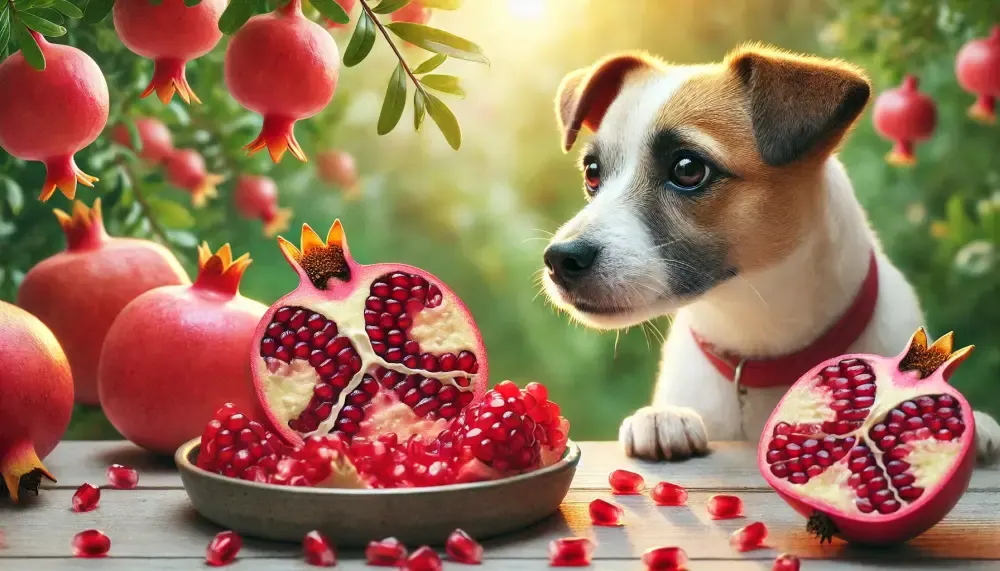
Pomegranate is not a great treat for dogs. The juicy seeds (arils) are not in the same category as grapes, which dogs should never eat, but the rind, membrane, and a large pile of seeds can upset the stomach and are a choking or blockage risk, especially in small dogs. There is no meaningful benefit that makes pomegranate worth offering. If you already shared a few arils and your dog is acting normally, watch them; if they ate rind, a large amount, or seem sick, call your veterinarian.
If you are unsure whether a food is safe, the ASPCA’s list of people foods to avoid feeding pets is a reliable starting point, and a veterinarian or poison-control professional should be called if a pet already ate something questionable.
If you are comparing this with other extras, we also have a guide on Can Dogs Eat Fat from Steak?.
A best training treats or a small piece of a fruit your vet already approves, such as cored pear, is a more practical snack. Keep meals on a complete food; see top dog food brands or best dog food toppers if you want to dress the bowl.
Pomegranates, with their vibrant color and nutritional richness, are a popular fruit among health-conscious people. But when it comes to feeding fruits to dogs, it’s essential to know which ones are safe. This article will dive into whether dogs can safely consume pomegranate, the potential benefits, any risks, and how to serve it to your furry friend if it’s safe.
Is Pomegranate Safe for Dogs?
In small amounts and in certain forms, pomegranate is generally safe for dogs. However, moderation and preparation are crucial. While pomegranate is not toxic to dogs, feeding them the entire fruit can lead to an upset stomach. The seeds, called arils, contain a variety of nutrients but also pose challenges if not served properly.
Important Note: Fresh pomegranate juice or a few arils can be a safe treat for dogs, but avoid giving them pomegranate skin, rind, or seeds in excess. These parts are harder to digest and may cause gastrointestinal upset.
How to Safely Serve Pomegranate to Your Dog
If you’re interested in sharing pomegranate with your dog, follow these guidelines to do so safely:
- Serve Small Quantities
Start with a small portion to gauge your dog’s tolerance. Begin with a teaspoon of pomegranate arils or a few drops of pomegranate juice. - Avoid Seeds and Rind
Remove the seeds and rind before serving. Stick to the soft, edible arils or offer pomegranate juice instead. Avoid packaged juice, as it may contain added sugars or preservatives that aren’t suitable for dogs. - Use as a Topping
Add a few pomegranate arils to your dog’s regular food to give them a boost of flavor and nutrients. This also prevents them from consuming too much at once. - Make Frozen Treats
For a refreshing snack, you can freeze a few pomegranate arils mixed with a little water or plain yogurt. Freeze them in an ice cube tray for a healthy, cooling treat, especially on hot days. - Combine with Other Dog-Friendly Fruits
Mixing pomegranate with other dog-safe fruits like apples or blueberries can provide a well-rounded snack for your dog. Just be mindful of portion sizes.
Pomegranate Alternatives for Dogs
If you’re hesitant about pomegranate or your dog reacts poorly to it, consider these alternative fruits that are also packed with health benefits and are safe for dogs in moderation:
- Blueberries: High in antioxidants, fiber, and vitamins.
- Strawberries: Packed with vitamin C and fiber.
- Apples: A good source of fiber and vitamins, especially when served without seeds.
- Bananas: Potassium-rich and easy on the stomach.
- Watermelon: Hydrating and low in calories, perfect for a refreshing treat.
What to Do If Your Dog Eats Too Much Pomegranate
If your dog accidentally consumes a large amount of pomegranate, monitor them closely. Signs of discomfort may include vomiting, diarrhea, or lethargy. Generally, minor stomach upset resolves on its own, but if symptoms persist or worsen, contact your veterinarian.
Here are some steps to take if you suspect an adverse reaction:
- Keep Your Dog Hydrated
Encourage your dog to drink water to help flush their system and stay hydrated if they have loose stools. - Provide a Bland Diet
A bland diet, such as boiled rice and plain chicken, may soothe an upset stomach. This can help your dog recover if they experience mild gastrointestinal distress. - Consult Your Veterinarian
For severe symptoms or if your dog shows signs of pain or discomfort, consult your veterinarian. They can provide advice on managing symptoms or may recommend specific treatments.
Should You Give Pomegranate to Your Dog?
Pomegranate can be a healthy and tasty treat for dogs, but only if given in moderation and prepared correctly. Avoid the seeds and rind, which can be hard for dogs to digest. Remember that, like any fruit, pomegranate should complement a balanced diet rather than replace it. Offering pomegranate occasionally can provide a nutritional boost, but it’s always wise to monitor your dog’s reaction and prioritize their safety.
As with any dietary addition, consult your veterinarian if you have concerns about introducing pomegranate or any new food into your dog’s diet. A professional can provide guidance based on your dog’s specific health needs and preferences.


