Homemade Dog Treats: Occasional Extras, Not a Complete Diet

Homemade dog treats can be a fun occasional extra, but they are not a complete diet and they are not automatically healthier than a well-made commercial treat. Use plain, dog-safe ingredients, skip xylitol, onion, garlic, grapes, raisins, chocolate, macadamia nuts, and excessive salt or sugar, and keep portions small so they do not unbalance the day’s calories. Peanut butter must be xylitol-free. Recipes in this article are treat ideas, not meal plans, and they do not replace a complete food.
Look for a complete-and-balanced statement as explained in the FDA guidance on complete and balanced pet food and AAFCO’s consumer guide to understanding pet food. The WSAVA Global Nutrition Guidelines are a useful higher-level reference when you are choosing a food.
For a related food question, see Make Your Own Dog Treats: Healthy and Homemade Snacks for Your Pooch.
If your dog has pancreatitis, food allergies, or a prescription diet, ask your veterinarian before you bake. Everyday nutrition should still come from a complete food; see top dog food brands and best training treats.
Dogs are more than just pets; they are beloved members of our families. As dog owners, we constantly seek ways to show our furry friends how much we care. One of the best ways to do this is through their stomachs! Homemade dog treats are not only a fun and engaging way to bond with your pet but also an excellent method to ensure they’re eating healthy and nutritious snacks.
Simple and Nutritious Recipes
1. Peanut Butter and Pumpkin Dog Treats
Ingredients:
- Whole wheat flour, pumpkin puree, peanut butter (xylitol-free), eggs.
Method:
- Mix ingredients, roll out the dough, cut into shapes, and bake.
Benefits: Pumpkin aids in digestion, while peanut butter provides protein and healthy fats.
2. Sweet Potato Dog Chews
Ingredients:
- Thinly sliced sweet potato.
Method:
- Dehydrate the slices in the oven at a low temperature until chewy.
Benefits: Sweet potatoes are high in dietary fiber and vitamins.
3. Chicken Jerky Treats
Ingredients:
- Boneless, skinless chicken breasts.
Method:
- Thinly slice chicken, bake at low heat until dry and jerky-like.
Benefits: Lean protein source, ideal for muscle health.
4. Oat and Apple Dog Pretzels
Ingredients:
- Whole wheat flour, oats, unsweetened applesauce, egg.
Method:
- Combine ingredients, roll into pretzel shapes, and bake.
Benefits: Apples are a good source of vitamins, and oats are excellent for digestion.
5. Beef and Cheddar Biscuits
Ingredients:
- 2 cups whole wheat flour
- 1/2 cup cornmeal
- 1 cup shredded cheddar cheese
- 1 egg
- 3/4 cup beef broth
Method:
- Preheat oven to 350°F (175°C).
- Mix flour and cornmeal in a bowl.
- Add cheddar, egg, and beef broth, stirring until a dough forms.
- Roll out the dough and cut into shapes.
- Bake for 25-30 minutes until crispy.
Benefits: Beef provides protein, while cheddar is a good source of calcium.
6. Salmon and Sweet Potato Treats
Ingredients:
- 1 can of salmon (boneless, skinless)
- 1 sweet potato, cooked and mashed
- 1 egg
- 1 cup whole wheat flour
Method:
- Preheat oven to 350°F (175°C).
- Mix all ingredients to form a dough.
- Roll out and cut into desired shapes.
- Bake for 20-25 minutes.
Benefits: Salmon is rich in omega-3 fatty acids, which are great for a dog’s coat and skin health.
7. Apple and Carrot Crunchies
Ingredients:
- 2 cups diced apples (cored and seeded)
- 1 cup shredded carrot
- 1 egg
- 2 1/2 cups whole wheat flour
- 1/2 cup water
Method:
- Preheat oven to 350°F (175°C).
- Combine apples, carrots, egg, and water.
- Gradually add flour until dough is firm.
- Roll out and cut into shapes.
- Bake for 35-40 minutes until golden brown.
Benefits: Apples and carrots provide fiber and essential vitamins.
8. Peanut Butter and Banana Bites
Ingredients:
- 1 banana, mashed
- 1/2 cup peanut butter (xylitol-free)
- 1 egg
- 2 cups whole wheat flour
Method:
- Preheat oven to 300°F (150°C).
- Combine banana, peanut butter, and egg.
- Gradually add flour to form a dough.
- Roll into small balls and flatten.
- Bake for 30-35 minutes.
Benefits: Bananas are a good source of potassium, while peanut butter provides healthy fats.
9. Chicken and Rice Snacks
Ingredients:
- 1 cup cooked chicken, shredded
- 1 cup cooked rice
- 1 tbsp parsley
- 1 egg
- 2 cups whole wheat flour
Method:
- Preheat oven to 350°F (175°C).
- Mix chicken, rice, parsley, and egg.
- Gradually add flour to form a dough.
- Roll out and cut into shapes.
- Bake for 25-30 minutes.
Benefits: Chicken is an excellent protein source, and rice is gentle on the stomach.
10. Cheese and Oatmeal Mini Cookies
Ingredients:
- 1 cup rolled oats
- 1/2 cup grated cheese
- 1 egg
- 1/4 cup water
Method:
- Preheat oven to 350°F (175°C).
- Combine oats, cheese, and egg.
- Add water to form a dough.
- Roll into small balls and place on a baking sheet.
- Bake for 30 minutes.
Benefits: Oats provide fiber and are good for digestion, while cheese adds calcium.
Remember to introduce any new treats to your dog’s diet gradually and observe for any adverse reactions. Always consult with a veterinarian if you’re unsure about a particular ingredient, especially if your dog has specific health concerns or dietary restrictions.
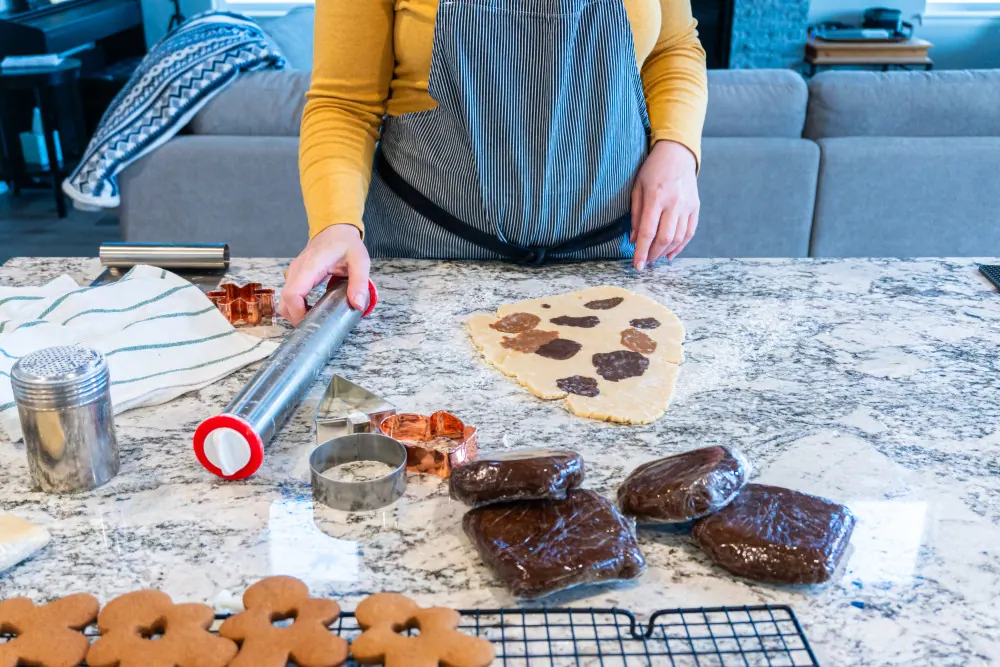
Tips for Making Homemade Dog Treats
1. Choose the Right Ingredients: Avoid ingredients like chocolate, grapes, onions, and xylitol, which are toxic to dogs.
2. Consider Your Dog’s Needs: If your dog is overweight, choose low-calorie treat options. For older dogs, softer treats are easier on their teeth.
3. Keep Treats Small: Treats should not make up more than 10% of your dog’s daily caloric intake. Keeping them small helps prevent overfeeding.
4. Storage: Store homemade treats in an airtight container. Some may need refrigeration to maintain freshness.
Getting Creative with Treats
1. Birthday Cakes and Special Occasions: Celebrate your dog’s milestones with special treats like dog-friendly cakes or cupcakes.
2. Training Treats: Use small, low-calorie treats as rewards during training sessions.
3. Seasonal Treats: Get creative with seasonal ingredients like apples in fall or mint during the holidays.
Safety and Precautions
1. Research Ingredients: Before adding a new ingredient to your dog’s treats, make sure it’s safe for canine consumption.
2. Monitor Your Dog: Observe how your dog reacts to new treats, especially if they have a sensitive stomach.
3. Consult Your Vet: If unsure about a recipe or your dog’s dietary needs, consult with your veterinarian.
Homemade dog treats are a wonderful way to show love and care for your pet. They offer health benefits, save money, and can be customized to suit your dog’s needs. Plus, the process of making them can be a joyful and bonding experience. So, roll up your sleeves, preheat your oven, and start baking some delicious treats that your furry friend will adore!


