What Human Food Can Dogs Eat? A Few Plain Extras, Not the Whole Plate
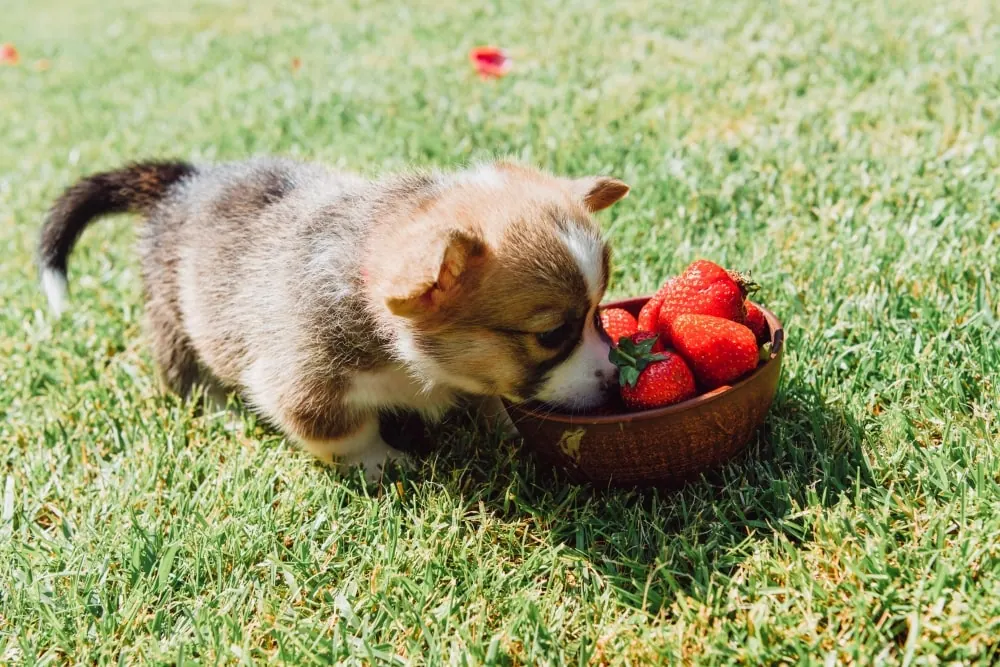
Some plain human foods can be an occasional extra for dogs, but the family plate is not a balanced diet. Safe extras are usually simple: a little plain cooked lean meat, pumpkin, apple flesh without seeds, or scrambled egg, in a small amount. Many common foods are unsafe, including onion, garlic, grapes, raisins, chocolate, xylitol, macadamia nuts, and cooked bones. Seasoning, sauces, and leftover mixtures are where people get into trouble. Human food should stay a small share of the day’s calories, not a second dinner.
Wondering why dogs can eat both meat and plants? Read are dogs omnivores or carnivores, and see what meats dogs can eat.
If you are unsure whether a food is safe, the ASPCA’s list of people foods to avoid feeding pets is a reliable starting point, and a veterinarian or poison-control professional should be called if a pet already ate something questionable.
Organ meats are a different kind of extra than a bite of plain muscle meat; see organ meat for dogs.
Dairy is easy to overdo; we also discuss whether dogs can be lactose intolerant.
Chia seeds are another human food people ask about; see are chia seeds good for dogs.
If you are comparing this with other extras, we also have a guide on What Table Food Can Dogs Eat? A Few Plain Extras, Not the Whole Plate.
If you want more detail on specific foods, we have individual guides on this site, plus top dog food brands and wet vs dry dog food guide for the everyday bowl. A measured best training treats is often easier to portion than table scraps. When in doubt, skip the bite and ask your veterinarian, especially for puppies and dogs with pancreatitis or food allergies.
As pet owners, we often find ourselves tempted to share our meals with our furry friends. While dogs are predominantly carnivorous, certain human foods can be safely added to their diet, providing variety and additional nutrients. However, it’s essential to understand which foods are safe and beneficial and which can be harmful. This article explores 14 human foods that you can safely share with your dog, along with guidelines on how to do so properly.
14 Human Foods Your Dog Can Eat
1. Oatmeal
Oatmeal is a wholesome, fiber-rich grain that is suitable for dogs, particularly those with wheat allergies or sensitive stomachs. It is a great source of soluble fiber, which can help regulate canine digestion, and is packed with essential nutrients such as manganese, phosphorus, and iron which support overall health. When preparing oatmeal for dogs, it should be cooked without any sugar or flavor additives. Plain oatmeal can be served warm, mixed with a bit of their regular food to enhance its appeal. However, it’s important to give it in small portions as it is calorically dense.
2. Lean Meats
Lean meats, including chicken, turkey, and beef, are excellent sources of protein, which is crucial for your dog’s muscle development and energy. These meats should always be cooked and never served raw to avoid the risk of bacterial infections such as salmonella. It’s also important to remove all visible fat and avoid any seasonings, particularly onions and garlic, which are toxic to dogs. Cooked lean meats can be chopped or shredded and added to your dog’s usual food or given as an occasional special treat.
3. Zucchini
Zucchini is a low-calorie vegetable that is safe for dogs and can add variety to their diet. It’s rich in vitamins B and C, potassium, and magnesium, all of which support good health, energy levels, and immune function. Zucchini can be served raw, sliced into small, manageable pieces, or cooked without seasoning to make it easier to digest. It’s particularly good for overweight dogs as it adds bulk to their food without many calories.
4. Pasta
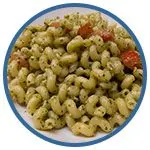
Pasta is a simple carbohydrate that dogs can digest relatively easily. Providing energy through carbohydrates, pasta can be a good food option when served plain and cooked. However, because it offers little in the way of essential nutrients, pasta should only be a small part of a dog’s diet. It’s best used as a base to mix with more nutritious foods such as lean meats or vegetables.
5. Yogurt
Plain, unsweetened yogurt is beneficial for dogs, particularly because it’s a source of calcium and live bacterial cultures. These probiotics can help maintain the balance of bacteria in a dog’s gut, aiding digestion and combating gastrointestinal problems like diarrhea. When choosing yogurt, ensure it has no artificial sweeteners or added sugars. A small spoonful of yogurt can be a good treat for your dog or a tasty topper on their regular food.
6. Sweet Potato

Sweet potatoes are a rich source of dietary fiber, which aids in digestive health, and contain high levels of vitamin A, which is important for maintaining healthy skin, coat, and eyes. They should be cooked without any additives such as salt or butter. Mashed sweet potato can be mixed into your dog’s food as a sweet, nutritious treat. They are also a great ingredient in homemade dog treats.
7. Peanut Butter

Peanut butter is a favorite among many dogs and provides a good source of protein and healthy fats. It also contains vitamins B and E, which can enhance your dog’s immune system and skin health. When selecting peanut butter, look for natural products without added sugars or xylitol, a common sweetener that is toxic to dogs. Peanut butter can be used as a treat on its own, stuffed in toys to keep your dog busy, or spread on pieces of fruit or vegetables.
8. Cheese
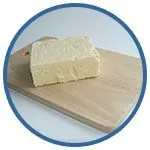
Cheese is a tasty treat for dogs and can be especially useful for training exercises due to its strong aroma and palatable taste. It’s a source of calcium and protein but can be high in fat, so choose low-fat varieties such as mozzarella or cottage cheese and give it in moderation. As some dogs can be lactose intolerant, start with small amounts to see how your dog reacts.
9. Pumpkin
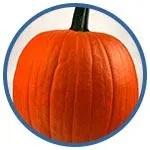
Pumpkin is highly nutritious for dogs, providing a rich source of fiber as well as vitamin A, C, and E, and antioxidants. Cooked, unseasoned pumpkin can help with digestive regularity and can be particularly beneficial for dogs with loose stools. The soluble fiber content in pumpkin absorbs water and can help alleviate diarrhea, while its nutrients support overall immune health. Pureed pumpkin can be added directly to your dog’s food.
10. Salmon
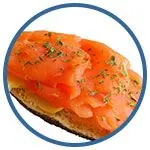
Salmon is an excellent protein source for dogs and is particularly rich in omega-3 fatty acids, which promote a healthy coat and skin and support cardiovascular health. Always cook salmon thoroughly to kill any parasites and never feed it raw. Deboned salmon can be flaked over your dog’s regular food to enhance its flavor and nutritional value.
11. Lentils
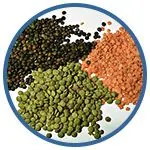
Lentils are a great vegetarian protein source, packed with fiber, iron, and magnesium. They can help maintain energy levels and support digestive health. When preparing lentils for dogs, they should be cooked plainly, without any added spices or salt. Lentils can be a beneficial alternative protein source for dogs with allergies to common meats.
12. Tuna
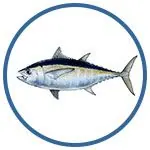
Tuna is another fish that is safe for dogs in moderation. It’s an excellent source of omega-3 fatty acids and protein. Tuna should be canned in water without any added salt or served as cooked, plain fillets. Due to its high mercury content, tuna should be offered only occasionally to avoid heavy metal toxicity.
13. Apple
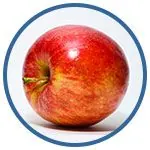
Apples provide a good source of vitamins A and C, fiber, and are low in fat, making them an ideal snack for older dogs. They should be cored and seeded as apple seeds contain cyanide, which is harmful in large quantities. Apple slices can be a refreshing, crunchy treat for your dog, especially on a hot day.
14. Eggs
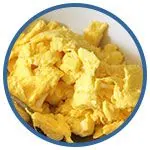
Eggs are highly nutritious for dogs, offering high-quality protein and fatty acids essential for a healthy coat and skin. They should be cooked without any butter, oil, or seasoning. Scrambled or boiled eggs can be a wholesome addition to dog meals or given as a special treat.
Precautions When Feeding Your Dog Human Foods
Always introduce any new food into your dog’s diet gradually and in small amounts to monitor for any adverse reactions. It’s also essential to consult with a veterinarian before making any significant changes to your pet’s diet, especially if they have pre-existing health conditions.
Feeding your dog human food can be a wonderful way to enhance their diet and provide nutritional diversity. By sticking to safe options and avoiding toxic foods, you can ensure that your sharing brings joy and health benefits to your canine companion.


