What Do German Shepherds Eat? Complete Food, Not One Magic Brand
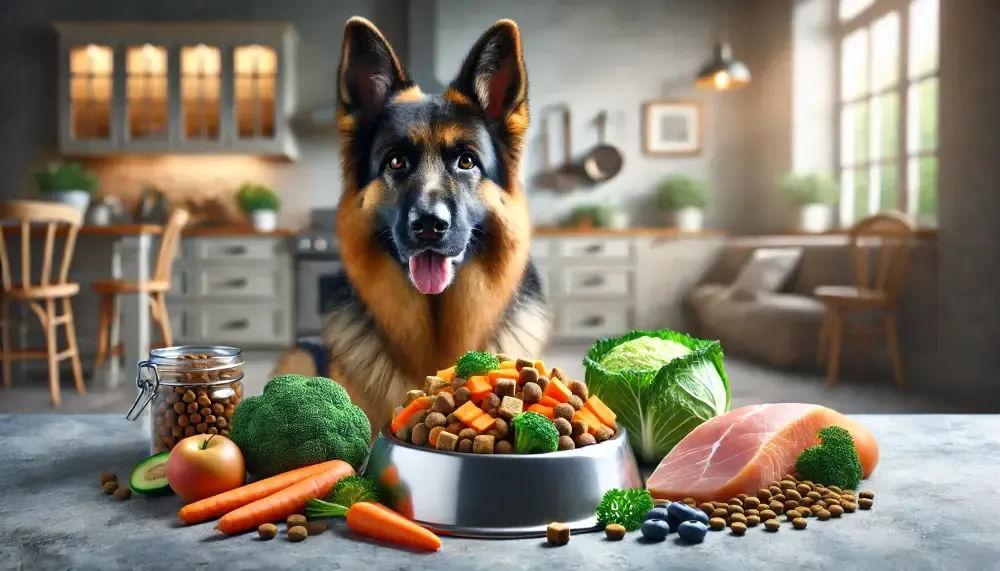
German Shepherds do best on a complete, balanced dog food that fits their age and size, not on a single “magic” brand. Large-breed formulas are often a sensible starting point for adults, and puppy large-breed recipes exist for growing dogs. Grain-free food is not automatically healthier; if you are considering it, talk with your veterinarian, especially because some grain-free diets have been discussed in connection with diet-associated heart disease. A working or sport dog may need more calories than a couch companion of the same weight.
Look for a complete-and-balanced statement as explained in the FDA guidance on complete and balanced pet food and AAFCO’s consumer guide to understanding pet food. The WSAVA Global Nutrition Guidelines are a useful higher-level reference when you are choosing a food.
Choose a food that meets a recognized standard such as AAFCO for your dog’s life stage, then adjust for body condition. For brand context, see top dog food brands and wet vs dry dog food guide. A best dog food toppers or best canned dog food food can add variety if it still fits the day’s calories. The product examples later in this article include large-breed and grain-free options; they are starting points to discuss with your vet, not a ranked best list. Two of the labeled “check price” items are senior-leaning recipes (Royal Canin Large Breed Adult 5+ and Hill’s Science Diet Adult 6+ Large Breed), which may or may not fit a young adult GSD.
As an Amazon Associate, we earn from qualifying purchases.
German Shepherds (GSDs) are known for their intelligence, strength, and loyalty. To keep your German Shepherd in optimal health, it’s crucial to provide a balanced diet that meets their nutritional needs. Let’s explore what foods are best for German Shepherds, the importance of nutrition, and tips to keep your GSD healthy and happy.
Understanding the Nutritional Needs of German Shepherds
German Shepherds are active and energetic dogs with unique dietary needs. To maintain their muscle mass, energy levels, and overall health, they require a diet rich in proteins, fats, carbohydrates, vitamins, and minerals.
1. Protein: The Building Block of Muscle
Protein is essential for maintaining muscle mass, growth, and tissue repair. German Shepherds need a high-quality source of protein from animal-based ingredients such as:
Aim for a dog food with at least 22-26% protein content, ensuring your GSD gets the necessary amino acids for muscle development.
2. Healthy Fats for Energy and Coat Health
Fats provide the energy German Shepherds need for their active lifestyle and help maintain a shiny coat. Include sources like:
- Chicken fat
- Fish oil
- Flaxseed oil
- Salmon oil
Look for dog foods containing 10-15% fat to provide sustained energy without causing weight gain.
3. Carbohydrates for Sustained Energy
Carbohydrates supply your German Shepherd with the energy they need for daily activities. Opt for complex carbs such as:
- Brown rice
- Sweet potatoes
- Oats
- Barley
- Peas
These options are more digestible and provide a steady release of energy throughout the day.
4. Vitamins and Minerals for Overall Health
Vitamins and minerals play a vital role in maintaining your GSD’s immune system, bone health, and overall well-being. Include foods rich in:
- Calcium and phosphorus for bone strength
- Vitamin A for healthy skin and coat
- Vitamin B for energy metabolism
- Zinc for immune support
A well-balanced dog food should contain these essential nutrients to support your German Shepherd’s health.
Types of Dog Food Suitable for German Shepherds
1. Dry Kibble
Dry kibble is a convenient and cost-effective option for feeding your German Shepherd. Look for high-quality kibble with a named protein source (e.g., chicken, beef, or lamb) as the first ingredient. Ensure it doesn’t contain fillers like corn, soy, or wheat, which can cause allergies or digestive issues in some dogs.
Recommended Brands:
- Royal Canin Large Breed Adult 5+
- Hill’s Science Diet Adult 6+ Large Breed
- Orijen Original Grain-Free
Check price on Amazon: Royal Canin Large Dog Adult 5+ Dry Dog Food, 30 lb Bag
2. Wet Dog Food
Wet dog food offers high moisture content, making it easier for German Shepherds to digest, especially if they have dental issues. Look for options with real meat as the primary ingredient and avoid artificial preservatives, colors, and flavors.
Recommended Brands:
- Merrick Grain-Free Real Chicken & Sweet Potato
- Blue Buffalo Homestyle Recipe
- Wellness CORE grain-free wet food
Check price on Amazon: Merrick Grain Free Chicken + Sweet Potato Recipe Dry Dog Food, 4 lbs.
Check price on Amazon: Blue Buffalo Homestyle Recipe Variety Pack Wet Dog Food, 12.5 oz, 6 ct
3. Raw Food Diet
The raw food diet, also known as the BARF (Biologically Appropriate Raw Food) diet, consists of raw meat, bones, fruits, and vegetables. This diet mimics what dogs would eat in the wild and is gaining popularity among German Shepherd owners.
If you choose a raw food diet, consult with a veterinarian or canine nutritionist to ensure your GSD receives balanced nutrition.
4. Homemade Dog Food
Homemade dog food allows you to control the ingredients and tailor meals to your German Shepherd’s specific needs. Include high-quality proteins, carbohydrates, vegetables, and healthy fats in every meal. However, be cautious about nutritional balance and consult your vet for guidance.
What Foods Should German Shepherds Avoid?
Certain foods can be harmful or toxic to German Shepherds. Avoid feeding your GSD the following:
- Chocolate: Contains theobromine, which is toxic to dogs.
- Onions and garlic: Can cause anemia.
- Grapes and raisins: Can lead to kidney failure.
- Avocado: Contains persin, which can cause vomiting or diarrhea.
- Alcohol: Even small amounts can be dangerous.
- Caffeine: Can lead to heart issues.
- Cooked bones: Can splinter and cause internal injuries.
Always ensure your German Shepherd has access to fresh water and avoid feeding them table scraps, as they can lead to obesity or nutritional imbalances.
Feeding Guidelines for German Shepherds
Puppies (8 weeks – 12 months)
- Feed 3-4 small meals per day
- Use puppy-specific dog food with higher protein and fat content
- Transition to adult dog food around 12 months
Adults (1-7 years)
- Feed 2 meals per day
- Ensure a balanced diet with high-quality proteins, fats, and carbs
- Adjust portion sizes based on activity level and weight
Seniors (7+ years)
- Feed 2 smaller meals per day
- Choose senior-specific dog food with lower fat and calories
- Monitor weight and adjust diet as needed
Tips for Feeding Your German Shepherd
- Maintain a Consistent Feeding Schedule: Feeding your GSD at the same time each day helps regulate their digestion and prevents overeating.
- Monitor Portion Sizes: Adjust portions based on your dog’s activity level, age, and weight to prevent obesity.
- Provide Fresh Water: Keep a bowl of clean water accessible at all times to ensure proper hydration.
- Avoid Overfeeding: Resist giving too many treats or table scraps, as these can lead to weight gain.
Special Dietary Considerations for German Shepherds
1. Food Allergies and Sensitivities
German Shepherds can develop food allergies or sensitivities, causing symptoms like itching, ear infections, or digestive issues. Common allergens include chicken, beef, dairy, and grains. If you suspect your GSD has a food allergy, consult your vet for an elimination diet or switch to hypoallergenic dog food.
2. Sensitive Stomachs
German Shepherds are prone to digestive issues, such as bloating or gas. Opt for easily digestible dog foods with prebiotics, probiotics, or digestive enzymes to support gut health.
3. Joint Health
As large-breed dogs, German Shepherds are susceptible to joint problems like hip dysplasia. Include foods rich in omega-3 fatty acids, glucosamine, and chondroitin to support joint health.
Feeding your German Shepherd a balanced diet is essential for their overall health and well-being. By understanding their nutritional needs, choosing high-quality dog food, and following proper feeding guidelines, you can ensure your GSD remains strong, active, and happy for years to come.


